Bring Your Leather Back to Life: Expert Restoration Tips in Brooklyn, NY
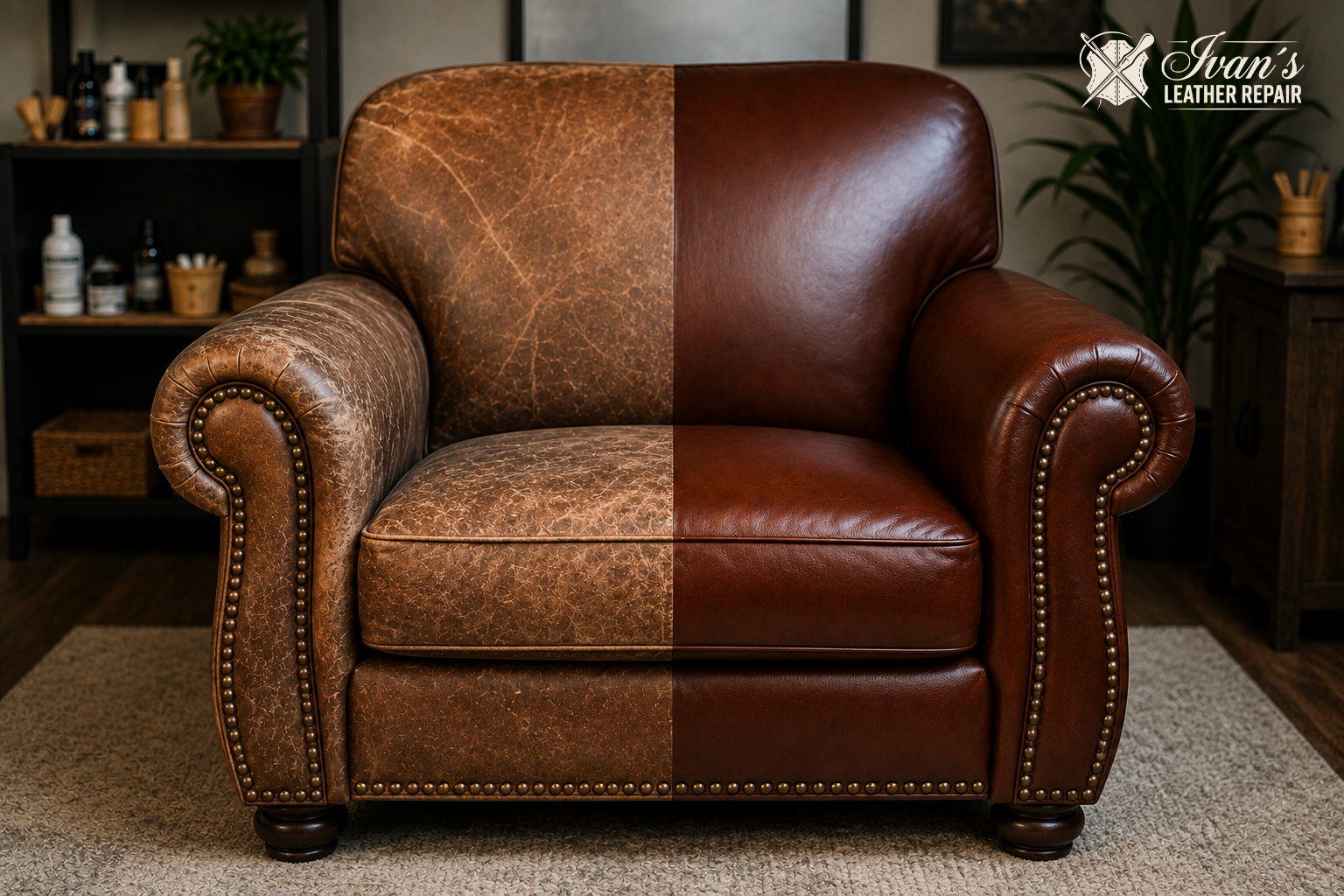
Restoring leather is more than just a quick fix. It's about reviving it while keeping the unique charm and comfort intact. When done professionally, the finish looks clean and natural, not like a bad patch job. Whether it's your favorite sofa, car seat, or an antique jacket, the difference is noticeable, making restoration a valuable choice.
At Ivan's Mobile Leather Repair, our goal is to seamlessly blend repairs with the original material. We handle everything from sofas and office chairs to car seats and jackets. The key to a smooth finish lies in detailed assessments, modern repair techniques, and careful attention to color, texture, and protection. If you're weighing your options, check out our guide on professional leather repair for more insights.
This article delves into what makes leather restoration look so polished—from prepping the surface and fixing damage to matching colors and conditioning. We’ll also touch on industry trends, sustainability, and why professional work often beats DIY attempts. For more specific services, explore our leather sofa & couch repair and auto leather repair pages.
Why Proper Assessment Sets the Stage for a Great Finish
Understanding Leather Type and Damage
The first step in leather restoration is a thorough assessment. Different types of leather require different treatments. Top-grain, full-grain, and bonded leather each have unique properties affecting how they react to repair materials and color absorption.
Trained technicians do more than just look at the visible damage. They check for dryness, fading, past repairs, and any structural issues. This kind of evaluation prevents overcorrection, allowing them to choose the right approach from the start. A well-informed plan tailored to the item saves time and ensures a natural-looking finish.
Cleaning: The Foundation of Every Great Repair
Deep cleaning is crucial for a refined look. Dirt, oils, and residues can interfere with repair materials. If not removed, even the best materials may look uneven or wear out quickly. That's why professional cleaning is both gentle and thorough.
Effective cleaning methods remove buildup without stripping the leather's character. This is especially important for high-use items like restaurant seating and vehicle interiors. Often, proper cleaning reveals that much of the visible damage is just surface contamination. For businesses wanting a polished look, commercial leather repair often begins with a deep clean.
For an overview of restoration steps, check out this Reference.com guide, which provides a high-level look at professional workflows.
Advanced Repair Techniques for a Seamless Look
Smoothing Out Cracks and Surface Wear
Professional leather restoration doesn’t just cover up color issues. Cracks, holes, and scratches affect the final look too. If not addressed, recoloring can still leave the area looking worn. Professionals use fillers and bonding agents to smooth these flaws before recoloring.
This step is crucial for high-pressure areas like seat cushions and armrests. A smooth base is essential because even minor surface imperfections can show through. For leather with deeper wear, services like cracking leather repair and leather chair repair can restore both appearance and function.
Targeted Repairs for Specific Damage
What sets professional restoration apart is its targeted approach. Instead of treating the whole piece as if it were new, experts focus on the damaged areas and match repairs to the surrounding material. This preserves the leather's original character and avoids unnecessary refinishing.
Targeted repair is useful for burns, pet damage, and scratches. A burn hole on a couch, for example, shouldn’t be treated like sun-faded leather. By choosing the right method for each spot, professionals ensure the repaired section blends naturally. Services like burn hole leather repair and pet damage leather repair can make a big visual difference without overworking the piece.
Preserving the Leather’s Natural Texture
A hallmark of professional work is texture preservation. Leather should still feel like leather after restoration. If the finish is too thick or glossy, it may look fake even if the color is right. Skilled technicians aim to preserve grain detail and softness while restoring uniformity.
This balance is vital because leather is something we touch and use daily. While appearance matters, so do comfort and realism. The best work keeps the natural texture visible while reducing obvious wear, making the item look refreshed rather than transformed.
How Perfect Color Matching Makes a Difference
Custom Blending Beats One-Size-Fits-All
Color matching is one of the trickiest parts of leather restoration. Leather rarely fades evenly, and no two surfaces age the same. Factors like light and wear patterns affect color appearance. Professionals depend on custom blending to match the item’s current tone, not just its original color.
A clean look depends on this precision. If the repaired area is slightly off in color or sheen, it will be noticeable. Professionals often test multiple shades and apply them in thin layers until the finish blends naturally. For items exposed to sunlight, like sofas near windows, sun-damaged leather repair requires especially careful color balancing.
Thin Layers for a Natural Appearance
Expert dyeing involves restraint. Instead of a heavy coat, professionals build color slowly. Thin layers allow better control and help maintain a believable finish. This method also reduces cracking and peeling later because the coating isn't too thick.
This layering is why professional restoration often lasts longer than DIY kits, which can show brush marks or uneven absorption. Professionals avoid these issues from the start. Careful layering supports long-lasting results on high-contact items like restaurant booth repair and auto leather repair, where both appearance and durability matter.
Matching Sheen Matters as Much as Color
Color is just one part of the equation. Leather comes in different sheen levels, from matte to semi-gloss. If the repaired area reflects light differently, it will stand out. Professionals carefully select topcoats to ensure consistent light reflection.
This attention to sheen ensures that restoration looks good in both natural and indoor light. Consistent finishes help the eye see the item as a whole, not a patchwork of repairs. This consistency is crucial for high-visibility spaces like lobbies and dining rooms.
Modern Technology Improving Leather Restoration
Precision Tools for Better Consistency
Recently, the leather restoration industry has adopted more advanced tools and materials. Flexible fillers, precision tools, and better color-matching systems allow technicians to work with greater accuracy. These advancements help repair delicate surfaces while preserving the leather's original look and feel.
This trend allows for cleaner results on complex projects. Technology supports consistency and reduces visual mismatches. An example of this can be found in an Otttimes article that highlights how modern tools improve furniture restoration.
Eco-Friendly Choices Are More Popular
Sustainability is on the rise. Many clients now prefer eco-friendly methods that reduce waste and avoid harsh chemicals. Water-based dyes and low-impact finishes are becoming more common. These choices not only support durability but also a more responsible repair process.
Repairing leather already offers a sustainability advantage over replacement. It keeps items in use longer, reducing landfill waste. For broader context on repair benefits, the U.S. Environmental Protection Agency’s reuse guidance offers useful insights.
Research Expanding Restoration Possibilities
Scientific research continues to influence the field. Studies on nanocollagen applications for leather show promise in improving properties like elasticity. While not every innovation becomes mainstream immediately, these developments point to a future of stronger and more refined restoration methods.
This is good news for consumers. It means the industry is moving towards finishes that hold up better with daily use while still looking natural. For important pieces, whether a family couch or a classic car interior, this combination of technology and skill is what delivers top results.
Protecting Leather After Repair
Topcoats Seal the Work
After repair and recoloring, a protective topcoat seals the finish. This final layer enhances resistance to scuffs, moisture, and handling while also controlling sheen. Without this step, even a perfectly matched repair can wear down too fast.
The topcoat smooths the surface, helping the repaired area blend with the rest of the leather. This is essential for items that are frequently touched or used heavily. It's why professional restoration remains visually strong long after completion.
Conditioning Maintains Softness
Conditioning is another important step for both beauty and longevity. Leather can dry out over time, especially with exposure to heat or sunlight. A good conditioner keeps it supple and prevents stiffness.
Conditioning is also preventive. When leather stays flexible, it's less likely to crack in the future. For more on this, see our guide to stiff or dry leather gear, which explains why hydration matters after restoration.
Maintenance Keeps It Looking Fresh
Professional restoration isn't just about the repair day. Maintenance afterward is key. Gentle cleaning, suitable conditioning, and protection from direct sunlight and heat all help maintain the finish. The better the aftercare, the longer the repair stays seamless.
For everyday tips, our article on keeping leather furniture looking great offers simple habits that protect your investment. Small maintenance steps make a big difference over time, especially for frequently used items.
Professional vs. DIY: Why You Can See the Difference
DIY Kits Have Limits
DIY leather kits work for minor cosmetic issues but often fall short for more serious damage. Limitations include color accuracy, surface prep, and durability. A homeowner might cover a small scratch, but cracks or texture loss usually need professional care.
DIY products often produce a flatter, less natural finish due to limited color options and tools. The result might hide damage temporarily but doesn't usually create a polished look. For a clearer comparison, see our guide on scratched leather repair.
Professional Results Last
Professionals follow a structured process because each step supports the next. Cleaning aids repair, which supports color matching, which supports finishing. When done right, the result is cleaner and more durable.
This is why professional repair is often more cost-effective. Restoration can be 30 to 70 percent cheaper than replacement for quality leather items. It’s a smart choice for appearance, budget, and sustainability. Check out our services like residential leather repair and leather jacket repair.
Real-World Examples of Refined Leather Restoration
Home Furniture That Looks Elegant
A well-restored leather sofa can transform a room. Instead of showing wear, it regains balanced color and softness. In many homes, the difference is striking, keeping the original piece part of the design.
This is especially valuable for quality furniture with good frames. If the structure is sound, there’s no need to toss it because the leather aged. That’s why many choose leather sofa & couch repair when leather is the only issue.
Vehicle Interiors That Feel Renewed
Auto leather restoration showcases expert craftsmanship. Seats and door panels face heat, UV exposure, and friction. A sloppy fix stands out, but careful repair can make the interior look much newer.
This precision is key for classic or luxury vehicles. Projects like classic car interior restoration balance authenticity and freshness, preserving the vehicle’s character.
Commercial Spaces Benefit from Consistency
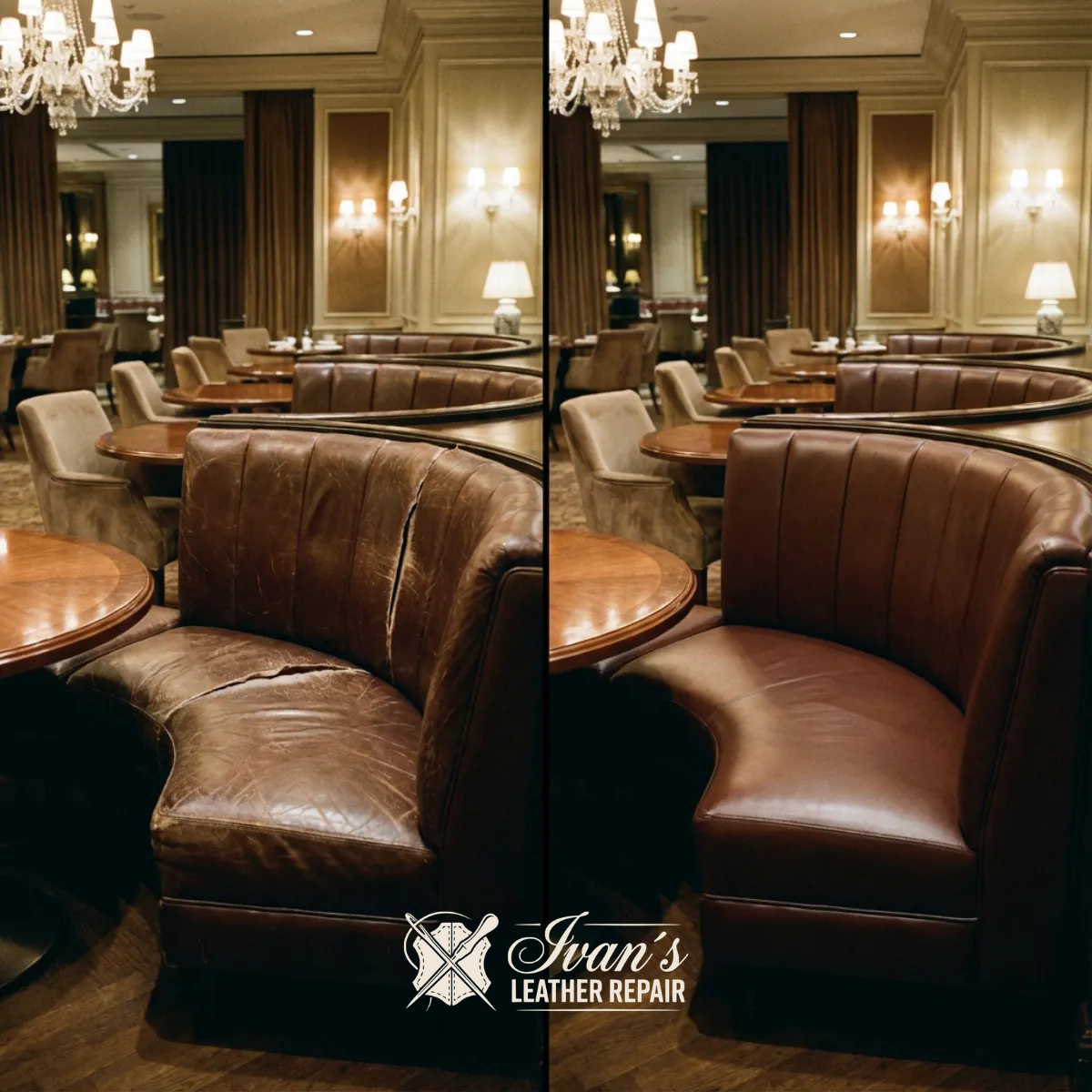
Restaurants, offices, and hospitality spaces rely on appearance. Worn leather seating can make a business feel dated. Professional restoration restores consistency, enhancing customer experience.
A clean finish boosts credibility. Customers notice the condition of seating and furniture. That’s why businesses invest in repairs that keep interiors polished and inviting.
What to Expect When Working with a Pro
Clear Evaluation and Expectations
Professional restoration starts with clear communication. A skilled technician explains what can be improved and what level of finish is realistic. This helps clients understand the work’s value and prevents disappointment.
The consultation stage sets the project standard, determining whether spot repair, recoloring, or deeper restoration is needed. Some items may benefit from antique furniture restoration to preserve age and character.
Timelines Depend on Damage and Type
Most leather restoration projects take a few days to a couple of weeks, depending on damage and item size. Complex work requires time for cleaning, layering, and curing. This extra time ensures a complete result.
If you’re planning around a deadline, ask about timing early. More info on expectations can be found in our guide on how long leather repair takes.
Good Repair Balances Looks and Longevity
A refined finish isn’t just about “before and after” photos. It’s about how the leather performs after work is done. Good adhesion, fillers, color, and topcoat protection help the item stay attractive longer.
This approach separates professional restoration from quick fixes. It creates a surface that’s easier to maintain and more consistent, offering better value and a longer life cycle for the leather.
Keeping Leather Clean and Refined After Restoration
Use Preventive Care Habits
Once restored, simple habits protect the finish. Avoid harsh cleaners, keep sharp objects away, and reduce sun exposure. In homes and vehicles, small preventive steps go a long way.
Humidity, climate, and temperature matter too. Leather that dries out can crack, while moisture affects finish integrity. Our article on how climate affects leather explains why environment control matters.
Schedule Maintenance Before Damage Spreads
Leather problems often get worse gradually. A small dry spot becomes a crack; fading spreads. Addressing issues early keeps restoration simpler.
Periodic inspection helps catch wear early. If you notice damage, a professional can often step in before it becomes costly. This is especially true for premium items.
Repair Instead of Replace When Value Remains
The cleanest restoration often saves a quality item from being discarded. Repairing keeps materials in use, reduces waste, and protects your investment.
When the frame or design is strong, restoration is practical. It preserves character while returning a polished finish. For more on restoration value, see our post on restore, don’t replace.
Final Thoughts: Why Expert Leather Restoration Shines
Professional leather restoration looks clean and refined due to precision. It starts with a thoughtful assessment, followed by careful cleaning, repair, and expert color matching. Each step supports the next, creating a natural, durable, and balanced result. This is what makes skilled restoration stand out from a simple fix.
As technology and eco-friendly practices grow, professional leather repair offers more value than ever. It protects quality items, extends their life, and reduces needless replacements. For many, this blend of beauty, practicality, and sustainability makes restoration worthwhile.
If your leather items are scratched, faded, or looking tired, starting with a professional evaluation is smart. Ivan's Mobile Leather Repair can help you find the best path for your item. To learn more or get started, visit our website or call (347) 207-3031.