Can Scratched Leather Be Repaired?
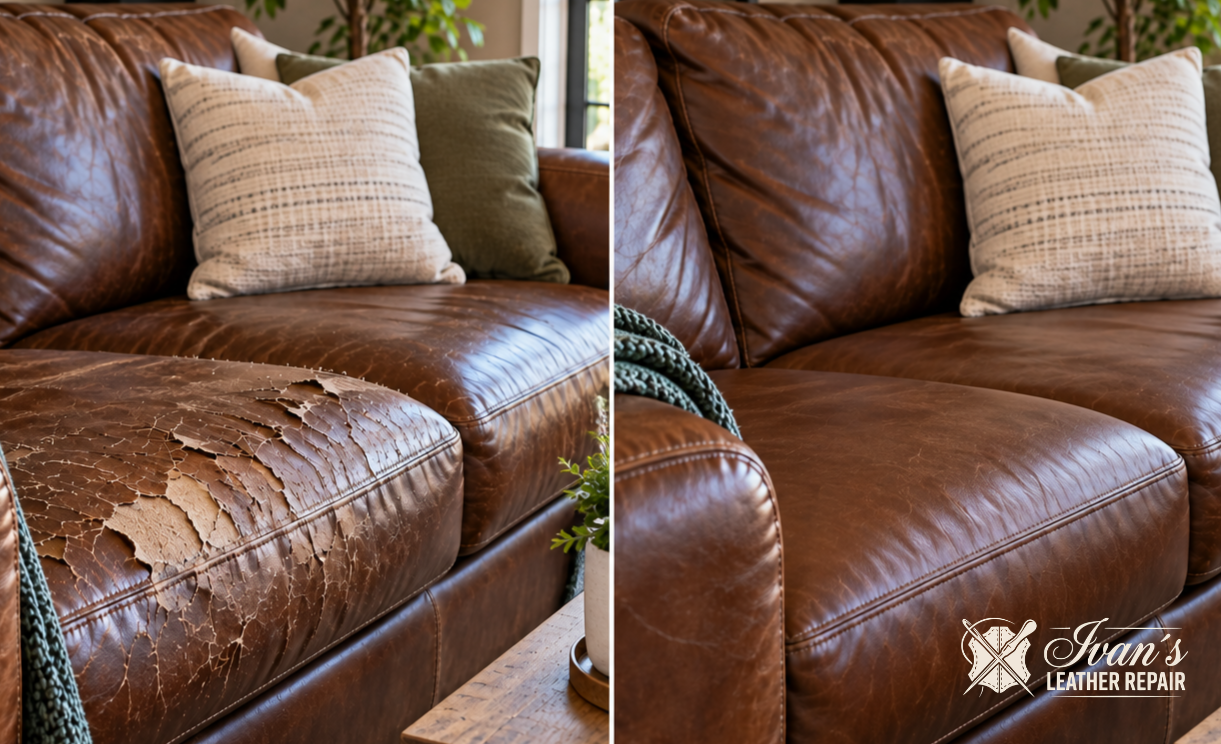
Dealing with scratched leather can be a real headache, whether it's on your favorite sofa, car seat, jacket, or a busy chair in a commercial space. The bright side? In many cases, scratched leather can be repaired and brought back to life. It all depends on the type of leather, how deep the scratch is, and how often the item is used.
At Ivan's Mobile Leather Repair, we often help folks figure out if a scratch is just a surface mark, a deeper gouge, or a sign that the leather is drying out. If you're checking out repair options for furniture, take a look at our residential leather repair and leather sofa and couch repair services. For car interiors, our auto leather repair service can help restore scratched seats and other surfaces.
This guide will walk you through what makes leather repairable, the best repair methods, when you can DIY, and when you might want to call in a pro. We'll also cover some tips to prevent scratches and share real-world examples so you can make the best choice before deciding to replace your leather items.
Why Does Leather Scratch?
Everyday Contact and Friction
Leather is a natural material, so it responds to pressure, rubbing, and sharp contact. Things like keys, zippers, pet claws, and even fingernails can leave marks over time. High-use spots like armrests and seat cushions usually show scratches first because they get the most friction.
Some leathers are tougher than others. Pigmented leather usually has a protective coating, making it more resistant to scratches. Aniline leather, which looks more natural, is softer and more prone to scratching. Nubuck and suede can also mark easily because of their delicate surface.
Dryness and Wear Make Scratches Worse
Scratches can look worse when the leather is dry. Dry leather is less flexible and more likely to show wear and tear. That's why regular conditioning is so important, especially in homes or cars with dry air or changing temperatures. If you want to learn more about leather care, check out our article on fixing stiff or dry leather gear.
The U.S. Environmental Protection Agency points out that indoor conditions can affect materials in your home, and dry environments can speed up wear on leather surfaces. You can read more about indoor air quality on the EPA's website. When leather dries out, small scratches can turn into bigger issues, so early care is key.
Can Scratched Leather Be Repaired?
Light Scratches Are Usually Fixable
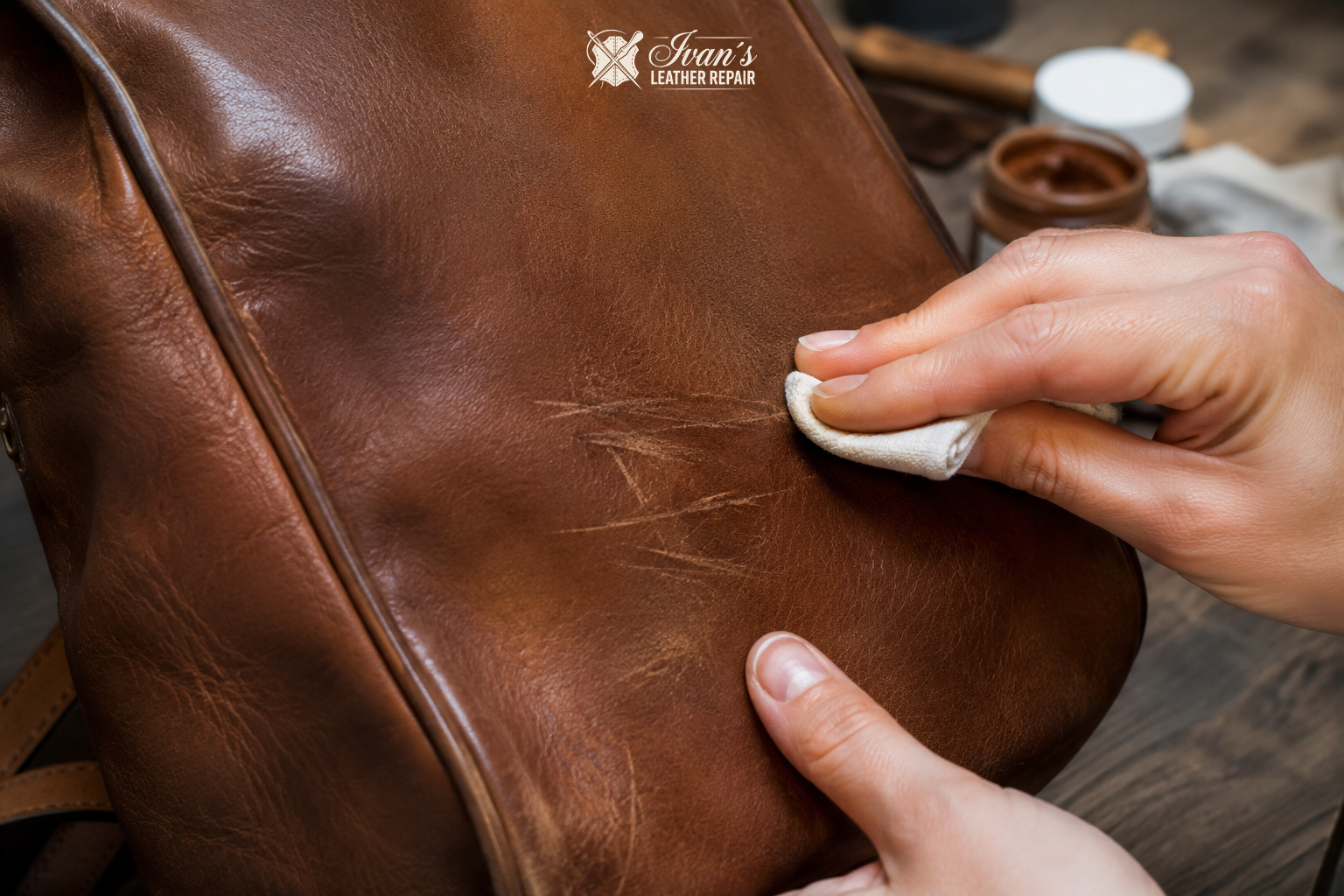
Most light scratches can be improved a lot, and some can be made nearly invisible. Surface marks often respond well to cleaning, gentle heat, conditioning, or a light recoloring treatment. If the scratch hasn't cut through the leather fibers, you're in luck—repairs usually work well.
Homeowners are often surprised by how much better their leather looks with the right method. A sofa that seemed worn might shine again after cleaning and conditioning. Similarly, a car seat with shallow marks might just need some surface restoration instead of a full panel replacement.
Deep Gouges Need More Work
Deeper scratches can still be fixed, but often need a bit more effort. This can involve cleaning, rehydrating, filling the damaged area, smoothing it out, matching the color, and sealing the finish. If the scratch has gone through the top layer, a professional repair might be your best bet to ensure it blends well with the rest of the material.
If the damage is severe, you might want to explore cracking leather repair or sun damage leather repair if dryness and fading are factors. Scratches often come with other wear signs, so fixing just the scratch might not solve everything.
How Do Experts Judge Repairability?
Step One: Identify the Leather Type
Experts start by identifying the leather type—whether it's aniline, semi-aniline, pigmented, nubuck, or suede. This matters because each type reacts differently to repair products. A product that works well on one type might stain another, so guessing isn't a good idea.
The Leather Research Laboratory at the University of Delaware offers educational resources on leather characteristics and care. This can be helpful to understand why leather composition matters before trying a repair: University of Delaware.
Step Two: Assess the Scratch Depth
Light scratches usually affect only the finish, so they might buff out with little treatment. Medium scratches might need some conditioning and color blending. Deep scratches and torn fibers need a more controlled repair process to avoid a patchy look.
A practical rule: if you can feel the scratch with your fingernail and it catches, it's probably more than a simple cleaning job. If the area also looks dry or discolored, the leather might need more than just spot repair.
Step Three: Test Before Full Application
Whether you're using a DIY kit or a professional product, testing first is a must. Trying things out on hidden areas like the back of a cushion can show how the leather reacts to the treatment. This helps prevent unwanted discoloration or shine differences.
This is especially important for valuable items or hard-to-match colors. A careful test is a simple way to protect your investment and avoid turning a small scratch into a bigger issue.
Current Trends in Leather Scratch Repair
Better DIY Repair Kits
DIY repair kits have come a long way. They often include everything you need—cleaners, fillers, dyes, and instructions—for at-home use. Many now have color-matching systems to address small scuffs without needing separate products, making it easier for homeowners to do basic repairs.
Not every kit works equally well on all leather types, though. The result depends on your patience and prep work. DIY is usually good for small scratches, but less reliable for bigger damage or more valuable items.
Growing Demand for Eco-Friendly Products
People are leaning towards sustainable and non-toxic repair materials. Many want leather care products that are safer for families and pets. This has led to cleaner, lower-odor solutions that support longer material life instead of replacement.
Repair is often more eco-friendly than disposal. Fixing leather furniture or car interiors can keep them in use for years. For a broader look at repair value, our professional leather repair guide explains how repair can save money and reduce waste.
Online Tutorials Make Learning Easier
With platforms like YouTube and blogs, learning simple repair techniques is easier than ever. Many people watch tutorials before trying to repair themselves. This helps avoid common mistakes like over-sanding or using the wrong dye.
Even so, online content should be a starting point rather than a guarantee. What works on one piece of leather might not work on another, especially with different finishes, ages, and use histories. Expert advice is still valuable for important items.
DIY Repair vs. Professional Leather Restoration
When DIY Makes Sense
DIY repair is a good option when the scratch is light, the leather is coated, and the item isn't irreplaceable. Small scuffs on a casual chair or shallow marks on a wallet might respond well to at-home care. In these cases, using a good leather cleaner and conditioner might be enough.
If you're working on a chair or other home item, consider looking into leather chair repair if the damage is small, but the piece is still solid. DIY works best when you're willing to work slowly and follow instructions carefully.
When Professional Repair Is Better
Professional repair is the way to go if the scratch is deep, the color is hard to match, or the item is valuable. It's also a good idea for antiques, fragile items, or bigger restoration projects. Professionals can blend materials more precisely and preserve the original character of the piece.
For especially valuable items, you might want to consult antique furniture restoration or classic car interior restoration. These services are helpful when a scratch is part of a broader wear pattern, including fading and cracking.
The Cost-Benefit Equation
Is repair worth it? Often, yes. Repair usually offers better value than replacement, especially for quality leather furniture or car interiors. High-end leather can last for decades with proper care, and a targeted restoration can extend its life significantly.
For guidance on when repair is the right financial decision, check out the U.S. Environmental Protection Agency’s waste reduction resources at EPA recycling and reuse information. Repair can save money and support environmental goals.
What a Professional Scratch Repair Process Looks Like
Cleaning and Preparation
The first step in professional repair is usually a deep cleaning. Dirt and oils have to be removed so the repair materials can stick properly. If skipped, repairs might peel or discolor too soon. Preparation includes identifying surrounding wear, because the repaired area must blend in.
At Ivan's Mobile Leather Repair, this is where we decide if the surface needs conditioning or other restoration. A thoughtful prep phase makes a big difference.
Filling, Blending, and Recoloring
If the scratch left a depression, a filler might be applied and leveled. Then, the area can be color-matched to the surrounding leather. The goal is to restore consistency so the repaired section looks natural in different lights.
Sometimes, a new protective topcoat is added to reduce glare differences and give a uniform feel. For furniture that sees heavy use, you might want to consider commercial leather repair or restaurant booth repair.
Sealing and Final Conditioning
The last step is sealing the repair and conditioning the leather so it ages naturally. Leather shouldn't look like a fresh patch on an old surface. A balanced finish makes the restoration more durable and consistent over time.
If the surrounding leather is very worn, repair might need to be paired with other treatments to stabilize the piece. That's particularly true for items exposed to sunlight or frequent use.
Real-World Examples of Scratched Leather Repair
Vintage Sofa Restoration
One common repair story involves a vintage leather sofa with deep scratches on the seating area and arms. In a Brooklyn case, the sofa had mixed shallow scratches and deeper marks from pet claws. Instead of replacing it, the owners chose restoration, and the final result brought back much of the sofa’s original shine.
This shows that scratched leather is often repairable, even when the damage seems severe at first glance. If the leather structure is stable, a skilled technician can usually improve the appearance enough to make the piece enjoyable again.
Automotive Leather Seat Repair
Leather seats in cars face regular friction, making them vulnerable to scratches near bolsters and edges. A local auto repair shop in Brooklyn fixed multiple scratches on a luxury vehicle’s seats, along with fading in sun-exposed sections. After cleaning and refinishing, the interior looked much better.
For vehicle owners, this kind of repair can protect resale value and improve daily comfort. If the issue is limited to the car interior, auto leather repair is often the most direct solution.
How to Prevent Future Scratches
Condition Regularly
Conditioning keeps leather flexible and less likely to show damage. A well-maintained surface resists minor scratches better. While conditioning won't make leather scratch-proof, it can reduce visible wear and slow down drying.
Follow the manufacturer’s care recommendations and avoid products that are too harsh. Over-conditioning can be as bad as neglect, so a balance is important.
Smart Storage and Handling
Keep leather away from direct sunlight, sharp objects, and heavy pressure. Avoid placing keys or tools directly on leather surfaces. For jackets and accessories, use padded hangers and breathable covers. In homes with pets, consider using throws or protective covers in high-contact areas.
If pet claws are a concern, our pet damage leather repair service can help restore surfaces that have been scratched while you improve protection habits.
Protect Against Sunlight and Heat
The sun can dry leather and make scratches more obvious. Heat speeds up fading and brittleness, especially in cars and rooms with big windows. If your furniture or vehicle sits in direct light, rotating cushions, using window treatments, and parking in shaded areas can help.
For more on this, see our article on protecting leather from sun damage. When sunlight and scratches happen together, repair is possible, but prevention is key.
Frequently Asked Questions About Scratched Leather
Can All Scratches Be Repaired?
Not all scratches can be fully erased, but most can be improved. Surface scratches and minor scuffs are usually the easiest to fix. Deep gouges or severe color loss might still be repairable, but the result may be more about restoration than invisibility.
Is Professional Repair Necessary?
Professional repair is recommended for valuable items, serious damage, antiques, and highly visible surfaces. If the piece is expensive or sentimental, a professional can reduce the risk of making the damage worse.
How Long Does Repair Last?
Repair longevity depends on use, leather type, and aftercare. A properly restored area can last a long time if the item is cleaned and conditioned regularly. For high-use furniture or car seats, occasional touch-ups might be needed.
If you want to compare timelines and expectations, our guide to leather repair timelines explains how complexity affects turnaround and what to expect.
Final Thoughts: Repair Is Often Worth It
So, can scratched leather be repaired? In most cases, yes. Light scratches often respond well to simple care, while more serious damage may require more effort. The best results come from understanding the leather type, the depth of the damage, and choosing the right method for the item's value and condition.
Whether the scratched leather is on a sofa, chair, car seat, jacket, or commercial fixture, early action usually leads to better results. Repair can preserve appearance, extend lifespan, and avoid unnecessary replacement. It also supports a more sustainable approach by keeping quality materials in use longer.
If you're unsure about the scratch's severity or need help choosing between DIY and professional restoration, Ivan's Mobile Leather Repair is here to assist. Check out our services, request an assessment, and give your leather a chance to shine again. For questions or support, contact us at (347) 207-3031 or info@repairleathernyc.com.