Revive Your Leather Boots in Brooklyn, NY: Bring Your Favorites Back to Life
Leather boots are made to last, but even the best pairs start to show wear over time. Scuffs, cracks, loose soles, and faded colors can make your beloved boots look a bit worn out before their time. The upside? Professional restoration can often rejuvenate your boots, making them comfy and ready for another season. This means less waste, more value, and keeping a pair you already love.
If you're checking out repair options for shoes, jackets, or other leather goods, it's helpful to know how restoration works and what you can expect. Often, the same techniques used for leather jacket repair or cracking leather repair can make your boots look fresher and last longer. This guide covers what's included in professional boot restoration, when it’s a good idea, how the process works, and tips to protect your boots after restoration.
Leather is a natural material, so its condition changes with use, climate, cleaning habits, and storage. According to the National Park Service, leather can deteriorate from environmental exposure and poor care, which is why maintenance is crucial. With the right restoration plan, many boots can regain their structure and appearance without needing a replacement.
Why Leather Boots Wear Out Quickly
Everyday Use and Flex Points
Boots endure a lot every time you walk, bend, kneel, or climb stairs. Areas like the toe box, vamp, and ankle flex repeatedly, gradually weakening the finish and creating visible creases. Over time, this movement can lead to surface cracking, especially if the leather dries out. What starts as a few wrinkles can turn into a bigger issue if not addressed.
Weather and Moisture Exposure
Rain, snow, and road salt are tough on leather boots. Moisture can dry out the leather, and salt can leave residue that dulls the surface and causes stains. If boots stay wet too often, the leather might stiffen, warp, or crack. This is why seasonal care is essential, especially in places where weather changes quickly and sidewalks get messy.
Skipped Conditioning and Poor Storage
Leather needs regular conditioning to stay flexible. When it dries out, tiny cracks can appear and expand with wear. Storing boots poorly, like shoving them into a closet while damp or under heavy items, can also cause damage. The Smithsonian advises that stable storage and proper maintenance help preserve leather over time, which applies to boots you want to keep.
What Professional Boot Restoration Can Fix
Surface Scuffs and Scratches
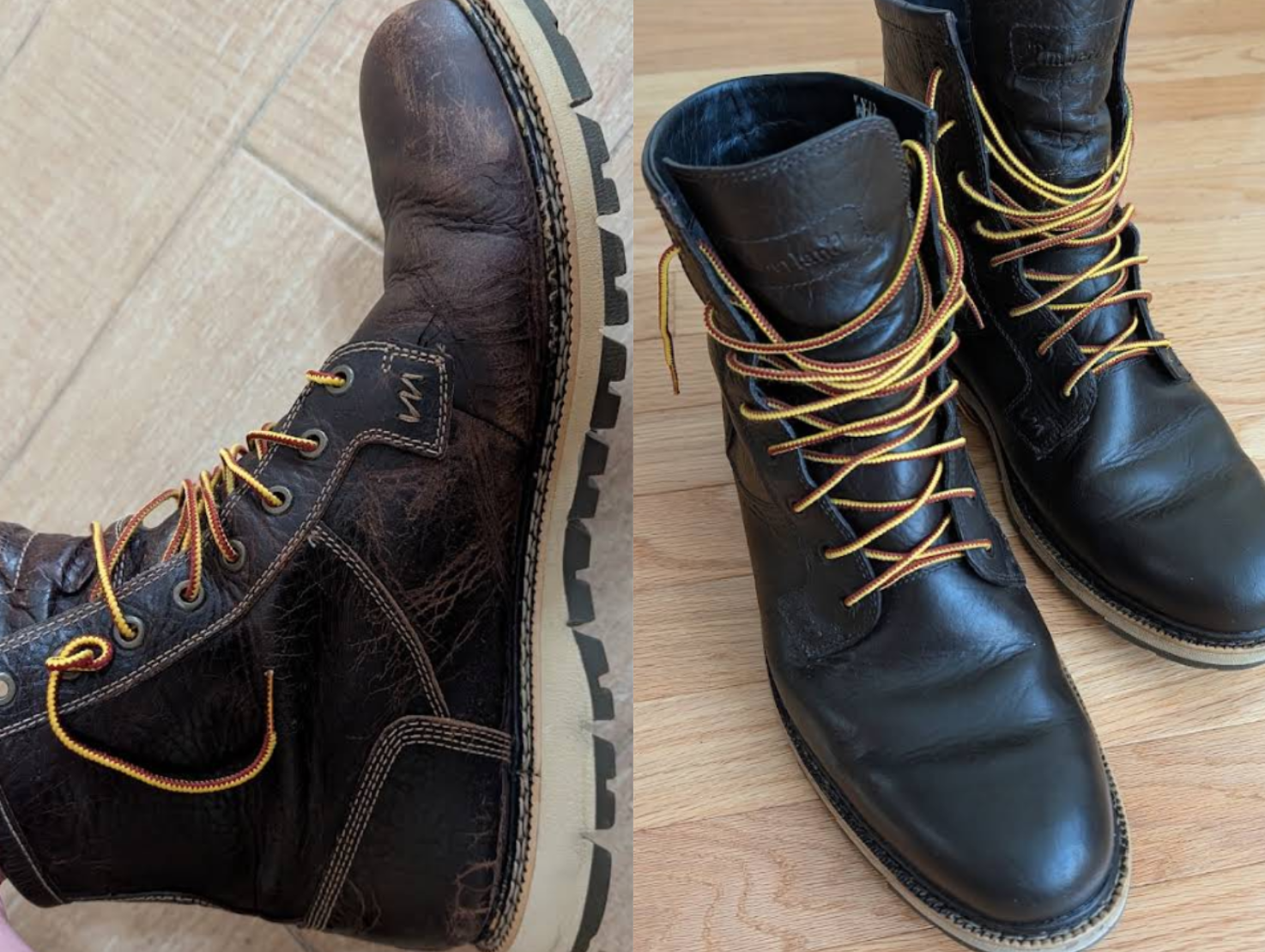
Many boots look worse than they are. Scuffs and scratches usually affect the finish more than the leather itself, so skilled refinishing can make a big difference. Restoration might include cleaning, spot repairs, recoloring, and protective finishing to give boots a polished look. For boots you wear a lot, this can transform a shabby pair into a staple once again.
Cracks, Dryness, and Fading
Dry leather is prone to cracking, especially where the boot bends. A pro can check if the damage is just on the surface or deeper. Often, conditioning and color work can improve appearance and flexibility. If your boots have faded from sun exposure, sun damage leather repair might be just what you need to address dryness and color inconsistency.
Loose Stitches and Minor Separation
Boots often fail at the seams first. Loose stitches and minor sole separation can sometimes be fixed before they require total replacement. Fixing these early is usually cheaper than waiting until the structure breaks down. If there's deeper wear, a repair specialist can advise if restoration is the best choice or if the boots are too far gone.
The Restoration Process Explained
Inspection and Damage Check
The first step is a thorough inspection. A tech checks the leather type, finish, damage severity, and condition of the seams and soles. Different boots need different techniques, and not all leather reacts the same. A smooth dress boot might need different care than a rugged casual boot.
Cleaning and Preparation
Before repairs start, the surface must be cleaned well. Dirt, old polish, and oils can interfere with color matching and finish adhesion. Cleaning reveals the leather's true condition and prepares it for restoration. Rushed repairs on dirty leather typically result in uneven outcomes that don’t last.
Repairing, Recoloring, and Sealing
Once clean, the real work begins. This may include filling worn areas, blending edges, recoloring faded parts, and sealing the surface. The goal isn’t to make the boot look like plastic but to restore a natural look while preserving character. For more than just boots, services like residential leather repair use similar principles to renew furniture, focusing on prep, color work, and finishing.
When to Choose Restoration Over Replacement
Quality Boots Deserve Saving
If your boots were well-made, replacing them with cheaper ones might not save money long-term. Quality pairs often have better leather, stronger construction, and a more comfortable fit than cheaper alternatives. Restoration can keep these benefits while extending their life. This is especially true for boots with sentimental value or a rare fit.
Hard-to-Find Styles and Favorite Fits
Some boots are worth restoring because they are hard to replace. Maybe they match your wardrobe perfectly or have molded to your foot like no other. Restoration lets you keep that perfect fit while improving their condition. Comfort is just as important as looks, and restoration can protect both.
Value and Less Waste
Repairing leather boots is also a smart sustainability choice. Instead of tossing a pair due to cosmetic wear, restoration extends their life and reduces waste. The U.S. Environmental Protection Agency encourages repair and reuse to cut waste, and leather restoration fits this approach well. It's about saving money and making a more responsible choice.
Restoration for Different Boot Types
Work Boots and Everyday Wear
Work boots often show wear in the toe, heel, and sole because they are used heavily. These boots might need deeper cleaning and conditioning. The best plan balances function and appearance, keeping them practical for daily use. If damage is mainly on the leather upper, they may be great candidates for repair.
Fashion and Dress Boots
Dress boots need a cleaner finish and precise color matching. Small flaws are more noticeable on polished leather, so attention to detail matters. Restoration may focus on scuffs and fading rather than structural repair. Subtle work often creates the biggest improvement, especially for formal or professional settings.
Boots with Unusual Damage
Some boots get damaged beyond normal wear, like from a pet scratch or bike pedal scrape. In skilled hands, these issues are often fixable. For serious surface problems, methods similar to pet damage leather repair or burn hole leather repair may help restore affected areas and prevent further damage.
Are Your Boots Repairable?
Check the Leather’s Condition
Surface wear is often repairable, but deep damage is another story. If the leather is still stable and the boot is structurally sound, restoration is likely a good option. If it’s brittle or crumbling, the fix might be limited or a replacement recommended. A good evaluation is realistic and honest.
Look at the Sole and Support
The boot’s upper is just one part. If the sole is worn or the boot no longer supports your foot, restoration might still help but could require more work. Understanding the whole condition helps decide if saving them is worth it. Many find that what seemed lost is workable once all parts are reviewed.
Consider How You Use Them
A restored boot should fit your use. If it’s a favorite pair you wear often, restoration usually makes sense. If it’s a cheap pair with widespread damage, replacing might be better. The decision often depends on condition, quality, and sentimental value. That’s why getting a pro’s opinion helps before spending on a fix.
Boot Care Tips for Longevity
Clean After Exposure
After restoration, maintenance is key. Clean dirt and salt off soon after wearing, especially in bad weather. Let boots dry naturally before storing, and keep them away from direct heat that dries leather too fast. Simple habits like these can slow down future wear significantly.
Condition Regularly, But Not Excessively
Conditioning keeps leather flexible, but too much can leave residue or darken finishes. Use a good conditioner sparingly and follow instructions for your leather type. Condition when the leather looks dry or feels stiff, not on a strict schedule. Thoughtful care works better than overdoing it.
Store Properly Between Uses
If you rotate footwear, store boots in a cool, dry spot with air circulation. Boot supports can help maintain shape and reduce creasing. Avoid damp closets, direct sunlight, or crowded spaces where they might get crushed. Good storage is a simple way to protect your investment in restoration.
Why Professional Restoration Tops DIY
Color Matching Is Tricky
DIY kits can handle minor issues, but they rarely match professional blending quality. Color matching needs experience with undertones and finishes. A mismatch leaves boots looking patchy or unnatural. Professional restoration usually pays off because it looks intentional.
Choosing the Right Products
Not all cleaners or dyes suit every boot. Wrong products can dry out leather or create a finish that peels. Pros know how to pick compatible materials and repair in the right order, which is crucial for delicate or high-end finishes.
The Goal Is Durability
A good repair should withstand regular wear. It should consider not just current appearance, but how the boot will handle future use and weather. If a repair only lasts a short while, it's not a real solution. Professional restoration aims for a balance of looks, durability, and comfort.
FAQs About Leather Boot Restoration
Can Cracked Boots Be Saved?
Yes, many cracked boots can be improved if damage isn’t too deep. Surface cracks often respond well to cleaning, conditioning, and sealing. A proper assessment is the best way to know the possible outcome.
Will Restoration Make Boots Look New?
Not always, but that's okay. The aim is to restore boots to a clean, wearable state while keeping their natural look. Some come close to looking new, while others retain some character. Honest evaluations lead to better expectations.
How Long Does Restored Leather Last?
It depends on use, care, and original damage severity. A well-restored pair can last a long time with proper care. The difference between a short-lived or lasting repair often comes down to post-restoration maintenance.
Is Restoration Worth It for Older Boots?
Older boots can be worth restoring, especially if they’re high quality or fit well. Age doesn’t decide value; condition and construction do. If the leather is stable and structure sound, older boots can be revived beautifully.
Bring Your Boots Back to Life
Your favorite leather boots don’t need replacing just because they look a bit tired. With the right care, many pairs can be cleaned, repaired, recolored, and protected for more use. Restoration often makes sense if you value comfort, quality, and savings. It’s also a practical way to reduce waste while keeping a pair you trust.
If you're deciding what to do, start by assessing the leather, soles, and seams. Then weigh repair costs against replacement. For boots with more extensive wear, services like leather sofa & couch repair show how expert restoration can tackle fading and damage across different items. The careful work that revives furniture can make a notable difference for boots too.
When you're ready to give your worn boots a new lease on life, professional help simplifies and improves the process. Ivan's Mobile Leather Repair knows how to restore leather with attention to detail. Whether your boots need cosmetic touch-ups or more significant fixes, the right restoration can help them look better, feel better, and last longer.
Want to keep your favorite boots going strong? Contact Ivan's Mobile Leather Repair today and see how professional leather restoration can save a pair worth keeping.