How to Keep Leather Furniture Looking Great Every Day
Leather furniture is one of those home pieces that can get even more charming with age if you take care of it. It adds warmth, texture, and a touch of class to your living room, office, or den. But it also has to deal with all sorts of daily challenges like spills, sun exposure, and constant use. Want your leather sofa or chair to look good for years? The trick is to have a simple routine that keeps it safe from damage. And if you need more than just the basics, you can always consider leather sofa and couch repair or residential leather repair to bring worn pieces back to life.
This post covers how to protect your leather furniture from daily wear and tear with practical tips and expert advice. You’ll learn about how leather ages, what usually damages it, the best ways to clean and condition it, and when to call in the pros for restoration. We'll also touch on the latest trends like eco-friendly leather care products and stain-resistant finishes. Whether you're taking care of a new purchase or a family heirloom, the tips here will help you keep it comfy, looking good, and valuable.
Why Leather Furniture Needs Daily Protection
Leather is tough, but not invincible.
People choose leather because it’s strong, stylish, and more forgiving than many fabrics when it comes to spills. But it’s still a natural material that reacts to things like moisture loss, sunlight, body oils, and temperature changes. Over time, these can cause dullness, small scratches, cracks, and fading, especially in spots like armrests and cushions that get a lot of use. Knowing that leather ages helps you focus on preventing damage before it gets bad.
Every day habits cause a lot of wear.
Most leather damage doesn’t happen overnight. It’s usually the result of daily habits, such as sitting with keys in your pocket, letting pets climb on the couch, placing furniture near a window, or using the wrong cleaner. In busy homes, this adds up fast. That’s why a good plan should include cleaning, conditioning, controlling the environment, and setting some household rules. If you already see wear, you might want to look into cracking leather repair or pet damage leather repair before it gets worse.
Smart leather care is on the rise.
More people are paying attention to how they maintain their furniture, and the industry is stepping up. Eco-friendly leather care products are on the rise, appealing to homeowners who want effective options without harsh chemicals. Plus, new treatments are making leather more stain-resistant and durable, so deep maintenance isn’t needed as often. The broader leather market is growing, showing that there’s strong interest in quality leather furniture and products that help protect it. For more about leather as a material, check out the Leather entry on Wikipedia, and for safe cleaning tips, the U.S. Environmental Protection Agency has reliable advice.
Start with a Proper Cleaning Routine
Weekly dusting keeps leather looking sharp.
Dust and dirt might seem harmless, but on leather, they act like tiny sandpaper, slowly wearing away the finish. Using a soft, lint-free cloth once a week can clear away surface particles before they dig into the leather. This small habit is one of the easiest ways to keep your leather looking shiny. If your furniture is in a busy area, a quick wipe-down after heavy use can make a big difference.
Use lukewarm water for light cleaning.
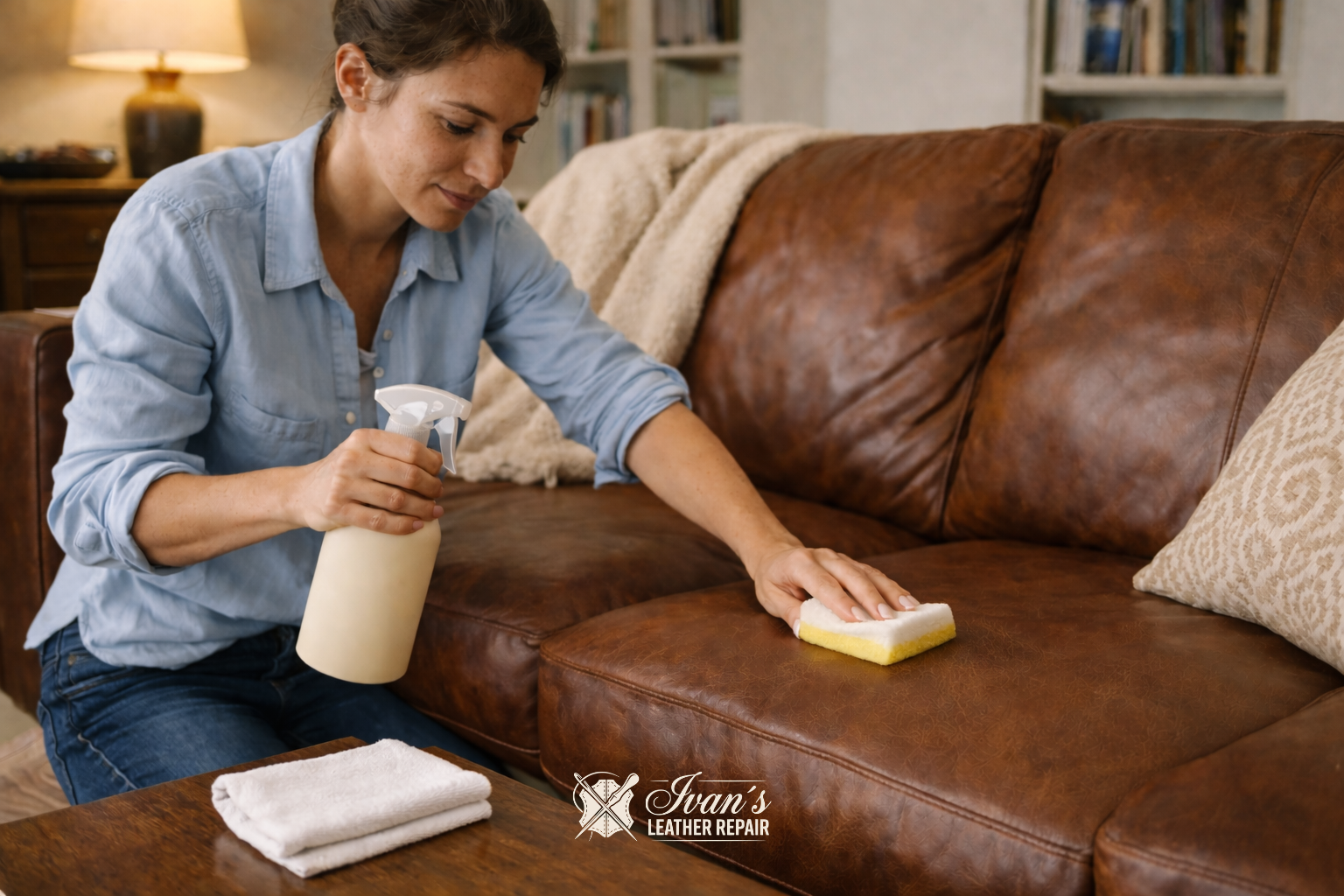
For regular cleaning, lightly dampen a soft cloth with lukewarm water and gently wipe the surface. The goal is to lift residue, not soak the leather. Too much water can mess with the finish and cause uneven drying, so always wring cloths thoroughly first. A mild, regular cleaning schedule works better than waiting for grime to build up.
Skip harsh chemicals and untested cleaners.
One big mistake is using all-purpose sprays, abrasive scrubs, or products not made for leather. These can strip protective coatings, dry out the leather, or leave sticky residue. pH-balanced leather care products are a better choice because they clean without harming the finish. If you’re unsure about a product, test it in a hidden area first. For more on safe leather care, Consumer Reports regularly shares cleaning and product advice you can trust.
Conditioning Keeps Leather Supple and Strong
Why leather needs moisture
Leather has natural oils that keep it flexible. When those oils dry out, the leather becomes more prone to cracking, fading, and stiffness. Conditioning helps replenish that lost moisture and keeps the finish soft enough to handle daily use. This is really important for furniture in heated rooms, sunny spots, or dry climates where it dries out faster.
How often to condition
Most leather furniture benefits from conditioning every three to six months. If your home is dry or your furniture gets a lot of sun, you might need to do it more often. The right schedule depends on the leather type, finish, and how much it’s used, so check the manufacturer’s recommendations if you can. Too much conditioner can make it greasy, while too little might not protect it enough, so focus on consistency over quantity.
How to apply conditioner
Use a clean cloth to apply a thin, even layer of conditioner in circular motions. Let it soak in according to the product instructions, then buff it gently with a dry cloth if needed. This helps the conditioner penetrate without causing buildup. A well-conditioned sofa not only feels softer but also handles everyday friction from people, clothing, and objects better. If your furniture already feels stiff or shows early wear, combining conditioning with leather chair repair or sun damage leather repair might be a smart move.
Protect Against Stains, Spills, and Surface Damage
Act fast with spills.
Even though leather is easier to clean than many fabrics, spills still need quick action. Blot liquids with a clean cloth right away and avoid rubbing, which can spread the stain or push it deeper into the finish. For sticky spills, use a leather-safe cleaner rather than kitchen products. A quick response makes the difference between a minor cleanup and a lasting mark.
Use leather protectants as an extra layer.
Leather protectants create a thin shield that helps repel stains and reduce daily wear. They’re especially useful in family rooms, apartments, and homes with kids or frequent guests. They aren’t a substitute for maintenance, but they offer extra protection. Furniture Clinic’s Leather Protection Cream is often recommended because it adds a protective layer that resists stains and daily contact. Apply protectant evenly and follow instructions for the best results.
Keep sharp objects and rough materials away.
Leather can handle a lot, but it’s still vulnerable to punctures, scratches, and scuffs from zippers, pet claws, decorative objects, and rough denim. You can reduce damage by using throws in high-contact areas, keeping sharp toys away from seating, and having a no-shoes policy on certain pieces. If claw marks or bites are already visible, a service like pet damage leather repair can restore the look before the issue gets worse.
Control the Environment Around Your Furniture
Avoid direct sunlight
Sunlight is one of the main causes of fading and drying. Over time, UV exposure can lighten the color, weaken the finish, and make leather feel brittle. If possible, keep leather furniture away from direct window light or use curtains and UV-filtering window treatments. Even moving a sofa a few feet from a bright window can reduce long-term damage.
Manage humidity and temperature.
Leather does best in stable conditions. Too much dryness can cause cracking, while too much humidity can lead to odors and a less balanced surface. In places with variable climate conditions, using a dehumidifier or humidifier can help create a healthier environment for both the furniture and the room. This is especially true in urban homes where heating systems, air conditioning, and street-facing windows can cause fluctuations.
City living adds extra stress.
In Brooklyn and other dense city areas, leather furniture might also face pollution, dust, and frequent temperature shifts near windows or entryways. These conditions make a good care routine even more important. Use furniture covers during big cleaning projects, rotate cushions when you can, and keep pieces a bit away from exterior walls. If wear has already set in, professional repair in Brooklyn can revive your furniture without needing a replacement.
Set House Rules to Reduce Wear
No shoes, sharp objects, or food shortcuts
One of the easiest ways to protect leather furniture is to set clear house rules. Shoes can bring in dirt and grit, keys can scratch the surface, and food increases the risk of stains. Families that follow a few basic rules usually see less damage and need fewer repairs. These habits might seem small, but they go a long way in keeping the surface intact.
Teach pets and kids to be gentle with furniture.
Pets are a leading cause of scratches and punctures on leather seating, especially on armrests and edges. Kids may also jump, slide, or use the furniture in ways that add stress. Instead of eliminating use, redirect activity with blankets, designated pet spaces, and consistent reminders. If a favorite sectional is already affected by claws or chewing, leather sofa and couch repair might be a wise choice before the damage spreads.
Rotate usage to distribute pressure.
Leather cushions and seating areas wear fastest where people sit most often. Rotating cushions, rearranging seating positions, and occasionally shifting decor can help evenly distribute pressure across the furniture. This won’t stop aging, but it slows down deep impressions and uneven fading. Combined with cleaning and conditioning, rotation supports a more balanced, longer-lasting appearance.
Know When DIY Care Isn’t Enough
When to call in the pros
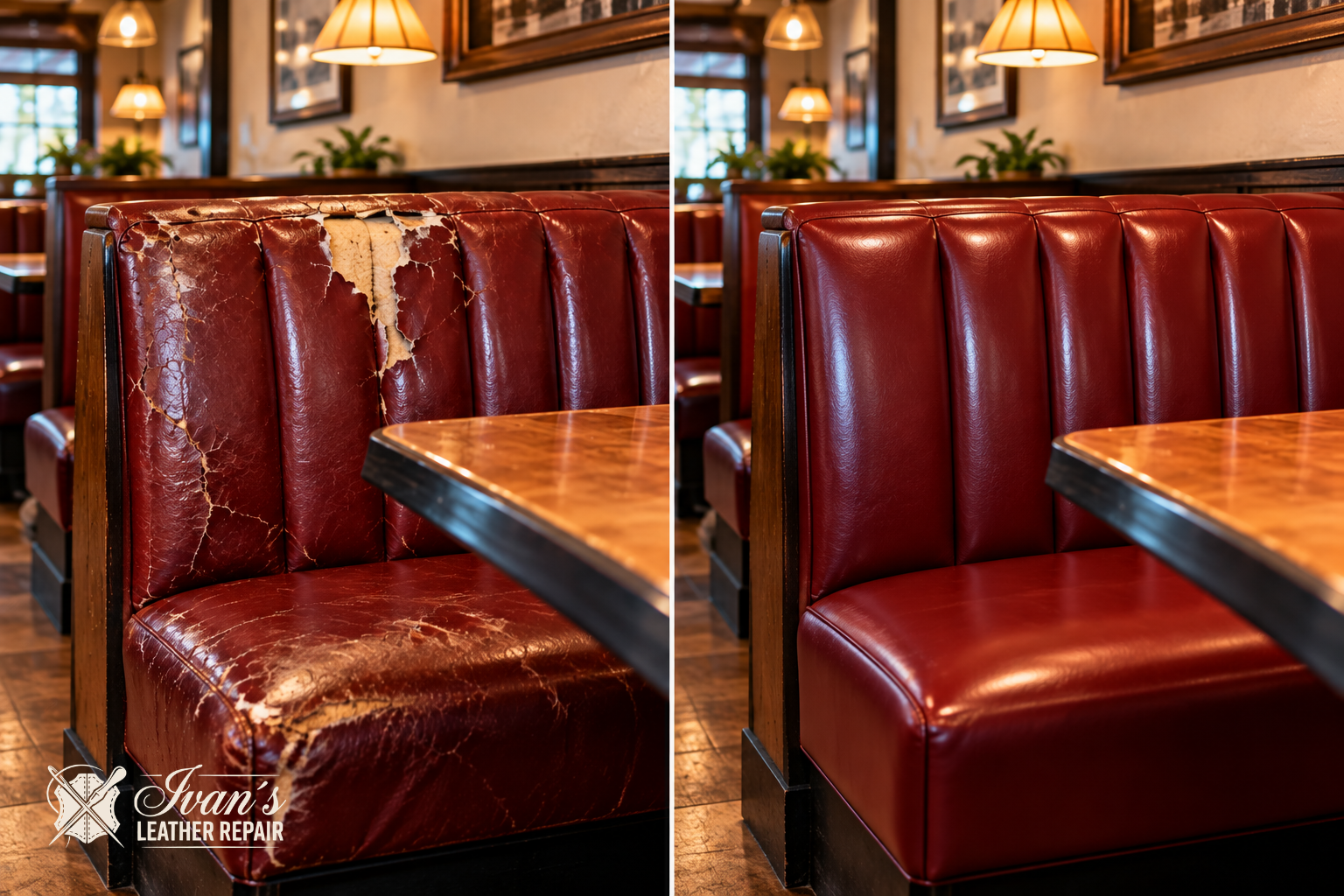
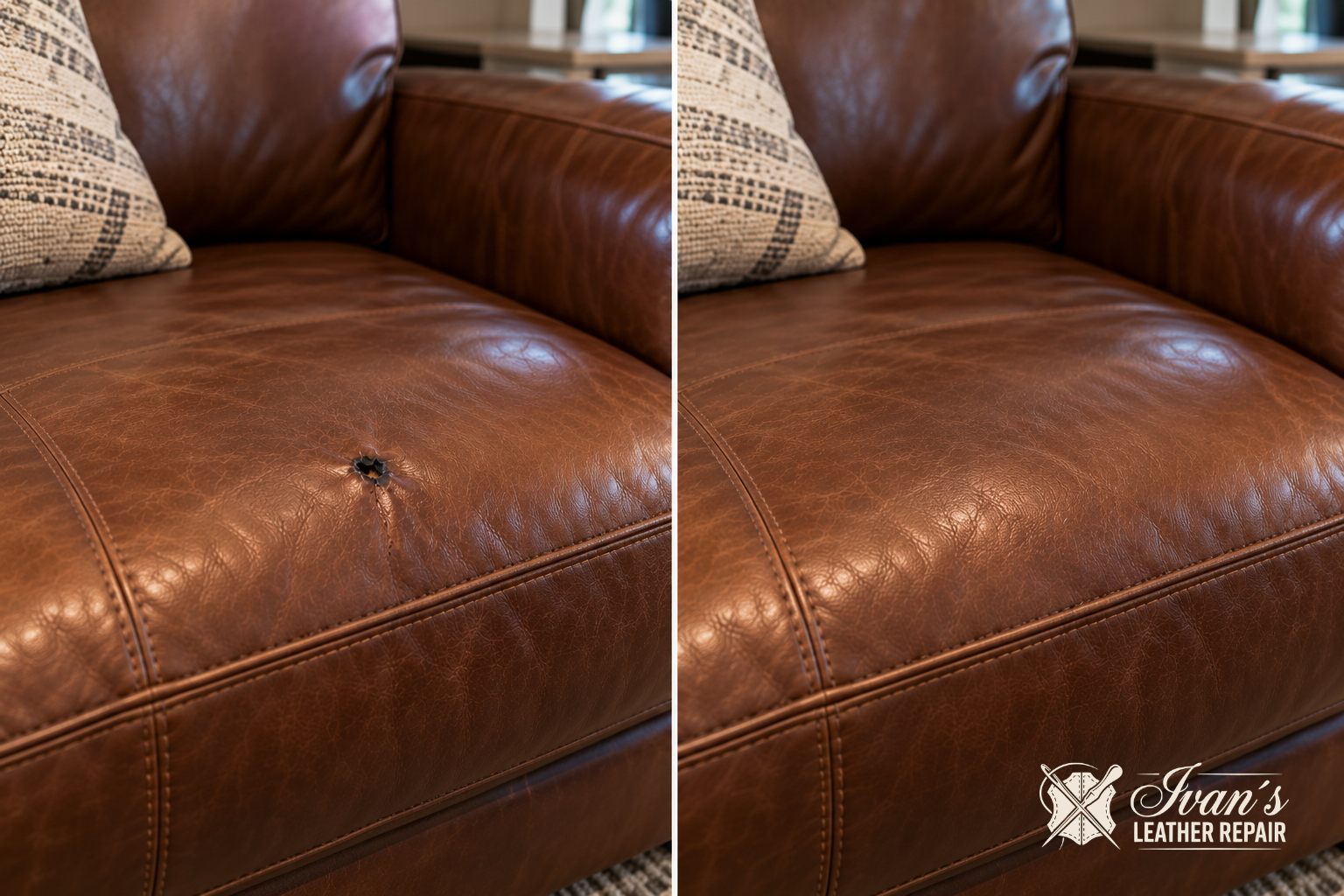
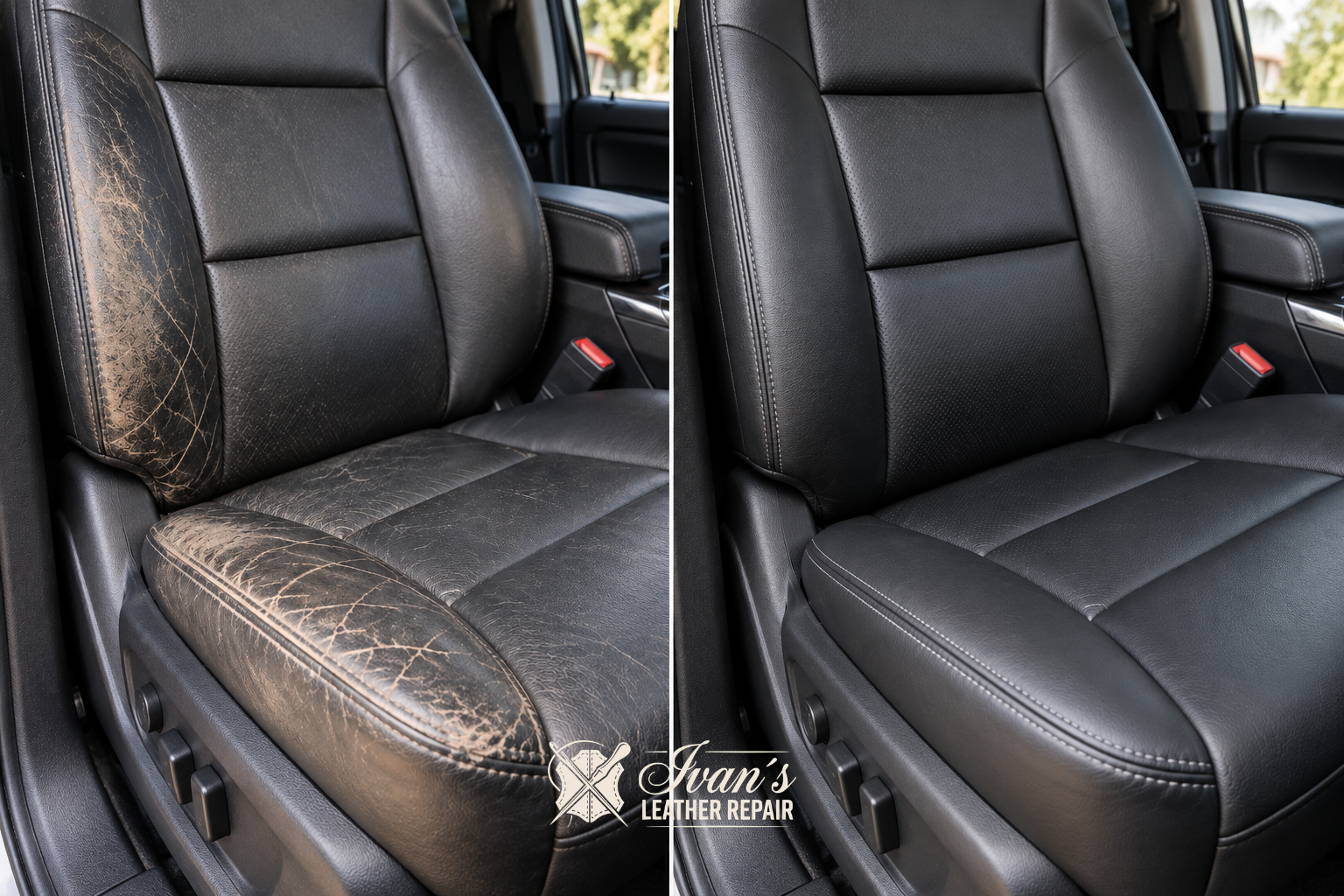
There comes a time when routine care just can't fix visible damage. Cracking, peeling finish, deep scratches, burn marks, loose seams, and severe fading often need professional restoration rather than simple cleaning. If the leather feels rough, the color looks uneven, or the surface is losing flexibility, it’s time to consider professional help. Services like cracking leather repair and burn hole leather repair can make a real difference.
Repairing can be cheaper than replacing.
Replacing a high-quality leather sofa can be pricey, and many homeowners find that repair can recover a lot of value. The leather furniture market is growing, highlighting that leather is still seen as a good long-term investment. Repairing a piece often saves both money and emotional attachment. If a piece is sturdy but needs visible restoration, it’s usually worth considering repair before replacement.
Repair is eco-friendly
Repairing leather furniture also fits nicely with the push for sustainability. Extending the life of a sofa or chair reduces waste and lowers the environmental impact of new manufacturing, shipping, and disposal. That’s why eco-friendly care and restoration are gaining popularity. For those interested in the environmental aspect of furniture care, the Federal Trade Commission offers guidance on responsible product claims, while the EPA recycling resources provide useful context on keeping usable goods out of the waste stream.
Practical Maintenance Schedule for Busy Homes
Weekly, monthly, and seasonal tasks
A simple schedule makes leather care easy. Weekly tasks should include dusting and a quick check for spills or scratches. Monthly tasks can involve a deeper clean and attention to high-use spots like armrests and seat cushions. Seasonal tasks should include conditioning, reassessing furniture placement, and checking for fading, dryness, or texture changes due to weather or heating systems.
Sample care plan for a family living room
In a family space, a good routine might look like this: dust every week, wipe with a damp cloth as needed, condition every three to six months, and add a protectant when suitable. Keep throws handy for movie nights, and review the furniture’s condition after holidays or gatherings. If you have pets, check for scratches more often and address them quickly. This kind of structured plan prevents small issues from becoming major repairs.
When to pair maintenance with service
Some furniture benefits from both at-home maintenance and professional care. A chair with light wear may only need cleaning and conditioning now, but deeper scuffs or fading might need a pro later. If one part of a sofa is wearing faster, consider leather chair repair or residential leather repair to fix the issue before it gets worse. Pairing routine care with repair is often the best way to extend furniture life.
Frequently Asked Questions About Leather Furniture Care
How often should I condition leather furniture?
Most leather furniture should be conditioned every three to six months, though dry climates or heavily used pieces may need more frequent care. The right timing depends on the leather type, the room environment, and how much contact the furniture receives. If the surface starts feeling dry or less supple, conditioning sooner can help prevent cracking.
Can I use household cleaners on leather?
It’s best to skip harsh household cleaners, bleach-based products, and abrasive sprays. These can strip the finish or leave the leather at risk of damage. Use pH-balanced products made specifically for leather care, and always test in a hidden area first.
How can I prevent scratches from pets?
Set clear household rules, use protective throws, trim pet nails regularly, and give pets alternative resting spots. If scratches have already formed, don’t ignore them, because repeated contact can make the damage worse. In many cases, pet damage leather repair can restore the surface and improve the appearance significantly.
What if my leather sofa has sun fading?
Move the furniture away from direct light first, then check if the fading is superficial or structural. Light fading may improve with restoration, while severe sun damage might need color work and surface treatment. If the leather is dry and brittle from sunlight, sun damage leather repair could be the best option.
Final Thoughts: Protect Today to Preserve Tomorrow
Small habits make a big difference.
Protecting leather furniture from everyday wear doesn’t require complicated routines. Weekly dusting, careful cleaning, regular conditioning, smart furniture placement, and a few house rules can dramatically extend the life of your investment. The goal is to prevent damage before it starts and to respond quickly when issues appear.
Know when to bring in a professional
When wear becomes visible, professional repair can often restore the beauty, comfort, and value of your furniture more affordably than replacement. Whether the issue is fading, cracking, scratches, pet damage, or structural wear, the right service can help preserve a piece you already love. For more complex restoration needs, options such as antique furniture restoration can be especially useful for preserving character and extending lifespan.
Take the next step
If you want your leather furniture to stay elegant and durable for years, start with a simple care routine and build from there. Keep it clean, conditioned, and protected from the environment, and don’t wait too long to address damage. For expert help with worn or damaged leather furniture, contact Ivan's Mobile Leather Repair at repairleathernyc.com or call (347) 207-3031. A little maintenance today can save you from a much bigger repair tomorrow.