Expert Leather Jacket Repair in Brooklyn, NY: Why Worn-Out Style Often Needs Restoration, Not Replacement
Your favorite leather jacket might start to look a bit tired, but that doesn't mean it's time to toss it. Fading, scuffs, and worn areas might make you think replacement is the only option, but think again. With the right repair work, you can breathe new life into that beloved piece.
Let's explore how to decide if your jacket can be saved, what types of damage are usually fixable, and how professional leather work can save you money and keep those memories intact. If you've got other items that need a little TLC, services like leather jacket repair and cracking leather repair can often handle issues that seem worse than they really are.
Leather is tough, but over time, it shows signs of wear from weather, body oils, and friction. According to the U.S. Department of Energy, heat and sunlight can speed up the deterioration of materials, including leather. For more tips on material care, check out Energy Saver maintenance tips and the National Park Service preservation resources.
Why Leather Jackets Start Looking Worn Out
Daily use adds up
Even high-quality leather jackets show wear when they’re regularly used. Collars flatten, sleeves bend, and cuffs rub against things. These are signs of a well-loved jacket, not that it’s done for.
Often, the first issues are cosmetic, like small scuffs or fading. A skilled repair specialist can clean, recolor, and restore these areas before things get worse.
Weather and storage matter
Leather doesn’t like too much sun, humidity, or heat. If your jacket is stored near a radiator or in a bright window, it can dry out and fade unevenly. That's why some jackets age differently, even if bought at the same time.
If sun damage is the culprit, your jacket might look dry or stiff. Sun damage leather repair can help restore it without needing a full replacement.
Patina vs. damage
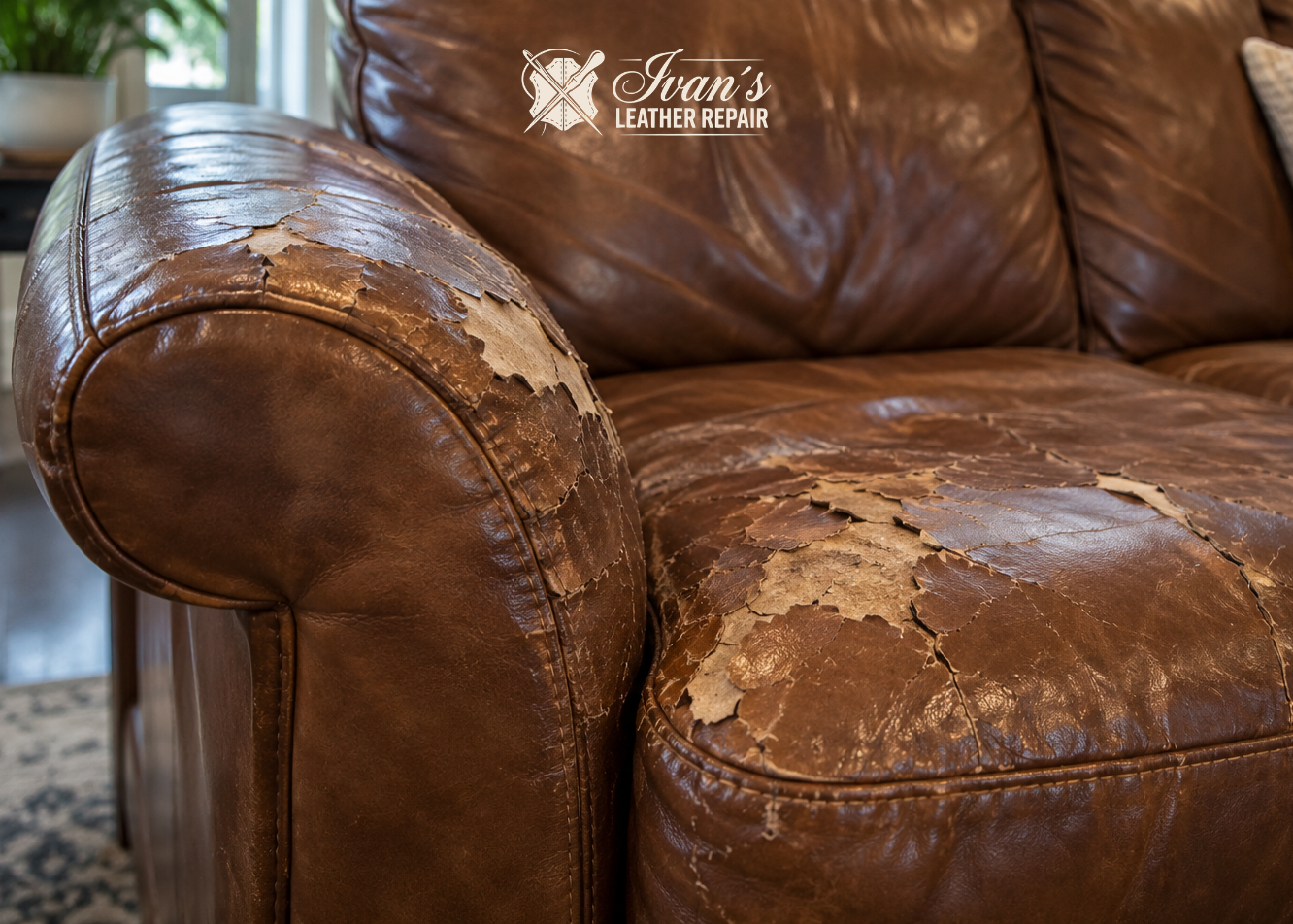
Not all signs of aging are bad. Some jackets develop a patina that adds character. The trick is knowing the difference between charming wear and real damage. A rich patina is great, but cracking or peeling means it needs attention.
When a jacket changes due to normal use, repairs can keep its character while improving the surface. This is crucial for pieces with sentimental value or a unique fit.
How to Tell Whether Your Jacket Can Be Repaired
Check the surface
Look at your jacket in natural light. Are there just scuffs or is there more serious damage? Light surface wear is usually easy to restore. More serious damage might still be fixable, but it needs a closer look.
If the leather cracks at flex points, don’t panic. Services like cracking leather repair can improve the surface and make damage less noticeable.
Inspect seams, zippers, and lining
Don’t forget the hardware and interior. Loose seams, broken zippers, and worn linings can make a jacket feel old, even if the leather is still good. A thorough repair looks at the whole jacket, not just the outside.
For jackets with worn linings or support areas, repairs might include targeted sewing and reinforcement instead of full replacement. This is often smarter if the leather still has life in it.
Consider fit and sentimental value
If the jacket fits well, repairing it becomes a priority. A well-fitted leather jacket is hard to replace. If it also has sentimental value, like being a gift or a vintage find, it’s worth the repair.
Repair is often the best choice when the jacket still looks and fits great but has lost some of its polish. Restoration keeps both function and memory alive, which replacement can’t fully do.
Common Leather Jacket Problems That Are Often Repairable
Scuffs and abrasions
Surface scuffs often lead people to think a jacket needs replacing. Most scuffs are cosmetic and can be blended or refinished. Minor abrasions usually affect only the top layer.
With proper cleaning and refinishing, these areas can look much better. If your jacket has been scratched by a bag strap or seat belt, restoration might make it look great again.
Fading and color loss
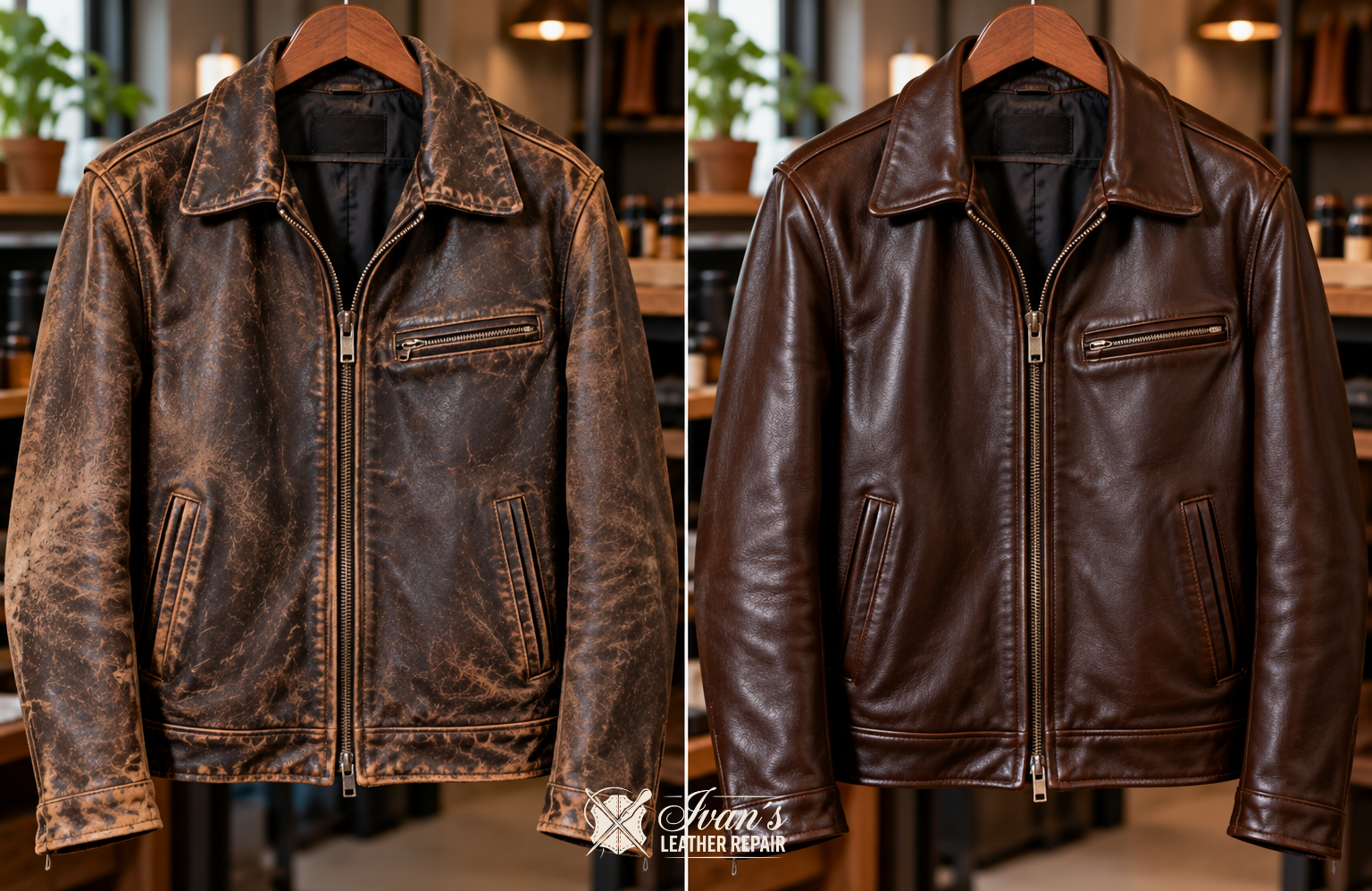
Leather color loss usually happens at seams, shoulders, and pockets, where there's more contact. Uneven fading can make a jacket look patchy, even if the leather is still good underneath.
Color restoration can make a jacket look cohesive again. For deep color issues, pros might use cleaning and tint work to restore the original tone.
Tears and small holes
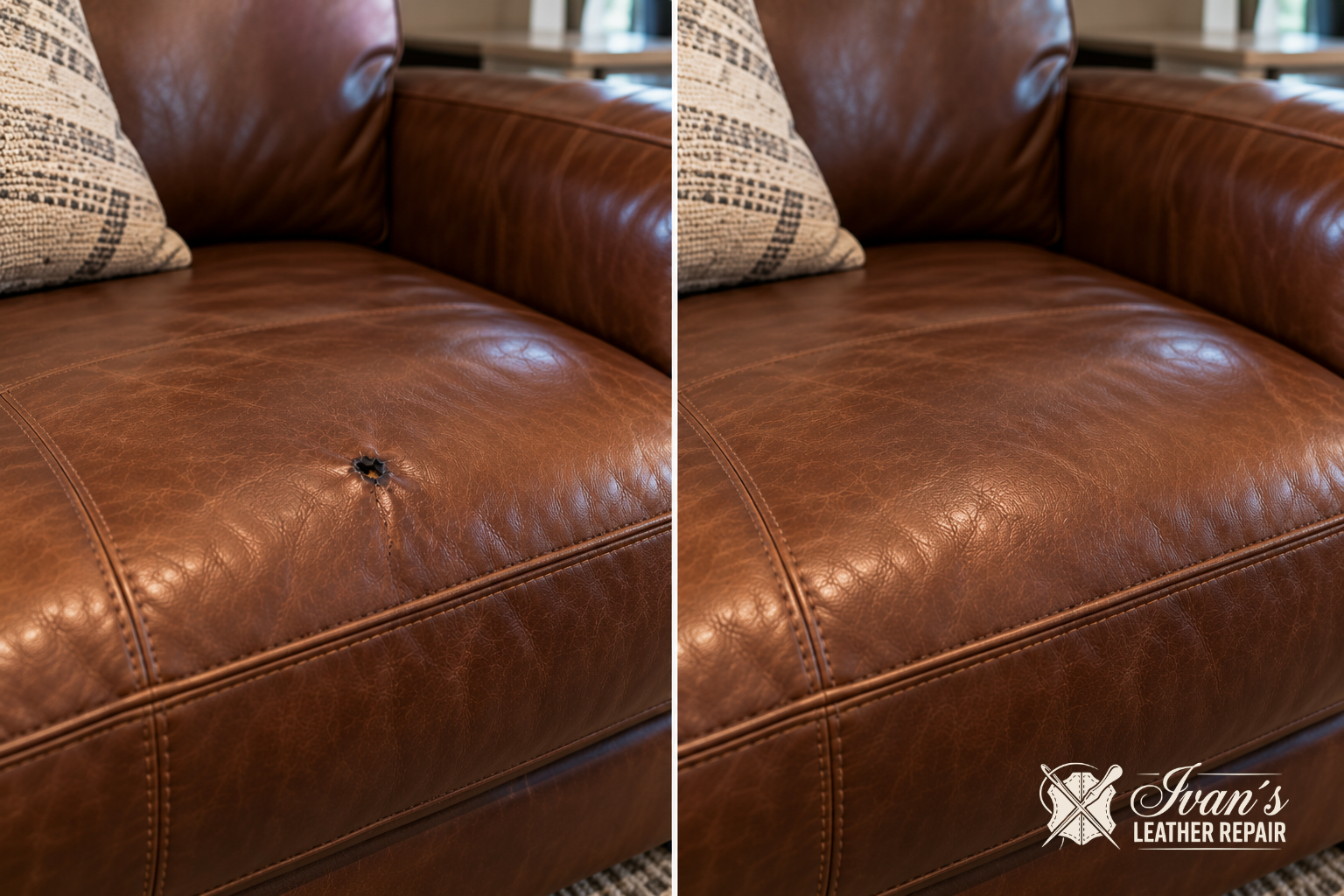
Small tears don’t always mean a new jacket is needed. Careful repairs can stabilize and improve the area so the tear doesn’t reopen. If damage is from an accident, early repair is easier than waiting.
For severe punctures, burn hole leather repair might be useful if the issue is a singed spot. Similar techniques can help with pet claws or sharp edges.
Why Repair Is Often Smarter Than Replacement
Keep the fit you love
A new jacket might look good but might not feel right after wear. A jacket that’s already molded to your body offers comfort that’s hard to duplicate. Repair lets you keep that fit.
This is key for jackets that are part of your style. If you wear it often, the comfort it provides might be more valuable than a new purchase.
Save money
Replacing a quality leather jacket can be costly, especially if you're matching craftsmanship and quality. Repair might cost less while still improving appearance and usability. The savings can be significant if damage is in a few areas.
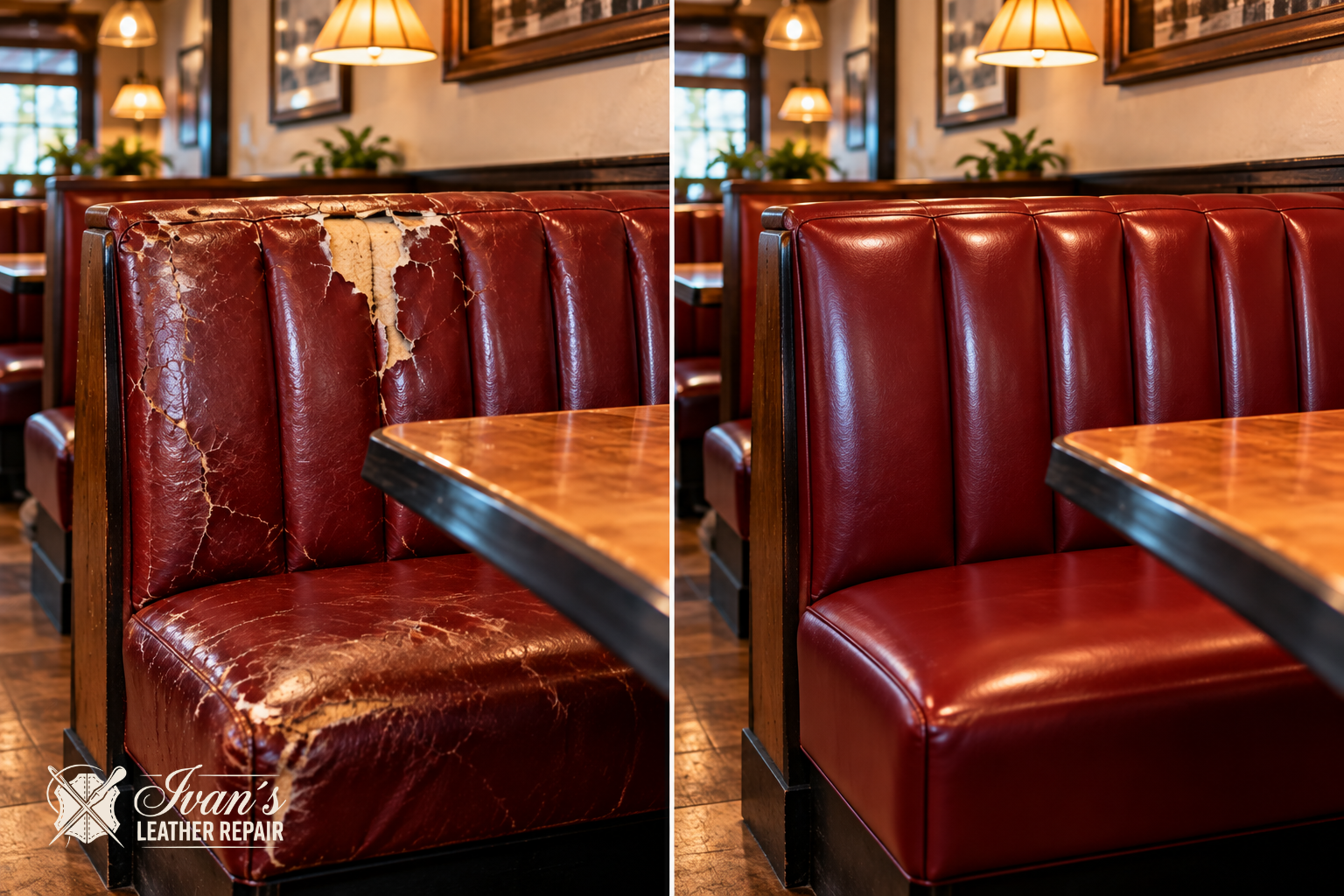
This logic applies to all leather items, not just clothing. If you need more restoration, services like residential leather repair or auto leather repair can extend the life of other investments.
It’s eco-friendly
Choosing repair keeps materials out of the waste stream. Leather is durable and designed to last years with proper care. Restoring a jacket lets you get more value out of it while avoiding unnecessary disposal.
Longer product life is one of the simplest forms of sustainability. If a repair can add years of wear, it’s a better environmental and financial choice.
What Professional Leather Jacket Repair Usually Includes
Cleaning and prep
Good repair starts with assessment. A technician needs to know what kind of leather it is, how much finish remains, and what needs reinforcement. Without prep, even good repair can look uneven.
Cleaning is crucial because dirt can interfere with bonding and color matching. Removing buildup reveals the true condition and improves quality.
Color matching
Color work is crucial in jacket restoration. Visible repairs can distract from the whole jacket. Skilled color matching helps repairs blend so the jacket looks unified.
This often involves testing shades and adjusting sheen so repairs don’t look too flat or glossy. The goal is to restore a natural finish.
Reinforcement and conditioning
After fixing visible damage, the jacket might need reinforcement in stress areas. This prevents issues from returning too quickly. Final conditioning restores softness and flexibility.
If your jacket shows broad wear, the same restoration approach can apply to other items, like leather sofa and couch repair.
When a Jacket May Be Better for Restoration Than DIY Fixes
DIY can help with basic care
Simple conditioning and gentle cleaning are useful at home. But DIY products often fall short with color loss, cracking, or finish damage. Sometimes, improper products make problems worse.
That’s why many choose professional help after trying basic care. A professional can achieve cleaner, more durable results than a home attempt.
Matching leather type matters
Different leather finishes need different products. What works on one jacket might not work on another. Using the wrong approach can darken leather or alter texture.
Even a simple-looking jacket might benefit from expert attention. Professional repair is about choosing the right method for the material, not just the visible damage.
Special cases need special treatment
Some jackets have more than normal wear. They might have pet scratches, heat, or water damage. Others have mixed materials that complicate repair. These need a careful evaluation first.
If you have a special garment needing more care, services like pet damage leather repair may reflect the same principle: evaluate first, then restore.
How to Extend the Life of a Repaired Leather Jacket
Store it right
Use a wide, padded hanger to keep the shape. Avoid crowded closets. Let the jacket breathe, and keep it away from heat or direct sun when not worn.
Proper storage is an easy way to protect a repaired jacket. A good restoration deserves good care, and storage habits help.
Clean gently and condition regularly
Leather jackets need careful cleaning. Avoid harsh detergents, which can strip the finish. Use leather-appropriate products and test them first.
Conditioning should be thoughtful. Over-conditioning can be as bad as neglect. The goal is to keep leather supple without over-softening.
Address new wear early.
Small issues are easier to fix than major ones. If a seam loosens or a scratch widens, deal with it quickly to prevent larger repairs. This applies to many leather items, from jackets to interiors.
Early treatment protects appearance and structure. A quick follow-up after repair is often worth it to avoid serious damage later.
Frequently Asked Questions About Worn Leather Jackets
Can a faded leather jacket be restored?
Yes, many faded jackets can be improved. It depends on the leather type, the extent of fading, and the condition underneath. Color restoration can revive richness and reduce patchiness.
Will repair make the jacket look brand new?
Not always, and that’s okay. Good repair should make it look cleaner and healthier while keeping its character. Some wear might remain visible, but the overall look can improve a lot.
How do I know if the jacket is too damaged?
If large areas of leather are failing, or the material is brittle throughout, replacement might be practical. Still, many jackets that seem hopeless are repairable once checked by a pro.
Is repair worth it for a lower-cost jacket?
Sometimes yes, especially if it fits well or has sentimental value. Weigh the repair cost against how often you wear it and how much a replacement would cost. If it’s a favorite, restoration can be the better choice.
Final Thoughts: Restore the Jacket Before You Replace It
A worn leather jacket doesn't need to be tossed out. Often, it has more life than you think. Surface wear, fading, and minor tears are usually fixable with the right materials and techniques.
If you want to keep the fit, comfort, and style you love, repair should be your first choice. Restoration can save money, preserve memories, and extend the life of a jacket that still has so much to offer. Ready to see what your options are? Ivan's Mobile Leather Repair can assess the damage and suggest practical next steps.
Whether it's a jacket, a couch, or another leather item, the smart move is often to repair. For questions or service requests, visit our website or call (347) 207-3031 to discuss your leather restoration needs.