What Happens When You Restore Instead of Replace Worn Leather
When your leather starts looking a bit tired or scratched, replacing it might seem like the only option. But hold on! Restoration can save you money, keep quality intact, and give a second life to pieces that still have a lot to offer. Whether it's a beloved sofa, your favorite jacket, or car seats, choosing to restore instead of replace isn't just about looks; it's about value, sustainability, and keeping the items you love.
At Ivan's Mobile Leather Repair, we're often surprised by how many leather items can be brought back to life. A faded sofa, a scratched jacket, or worn car seats might seem unsalvageable, but modern techniques can work wonders. If you're considering residential leather repair or looking to save a cherished jacket, let's dive into what restoration actually involves and when it makes sense. Even the U.S. Environmental Protection Agency supports reducing waste by extending the life of durable goods instead of tossing them.
In this guide, I'll explain what happens when you choose restoration over replacement, what kinds of damage can be fixed, how pros handle the process, and why restoration is often a smarter choice in the long run. We'll also touch on the limitations, common concerns, and real-world examples to help you make an informed decision.
Why Restoration Is Often the Smarter First Step
Save Money Without Losing Quality
One big reason to choose restoration? It's cost-effective. A good leather sofa, office chair, car interior, or jacket can be pricey to replace, especially if the new item isn't made as well. Restoration can bring it back to life for much less. Often, the frame, structure, and base leather are still in great shape, even if the surface looks worn.
This holds for well-made furniture and garments. A solid piece can be cleaned, conditioned, recolored, and refinished instead of thrown away. If you're weighing options for a sofa, check out our leather sofa and couch repair service designed to tackle visible wear and keep the craftsmanship intact.
Environmental Benefits That Matter
Restoring leather is also eco-friendly. Replacing an item means more production, more shipping, and more waste. Restoration extends the life of what you own, reducing demand for new materials. This is crucial in furniture, fashion, and automotive interiors, where producing a single item takes significant resources.
Environmental groups advocate for reuse and repair as practical ways to lessen environmental impact. Leather restoration fits this approach perfectly by keeping durable goods in use longer. For those who care about sustainable fashion and furniture, repair is often the more responsible choice.
Preserve Sentimental Value
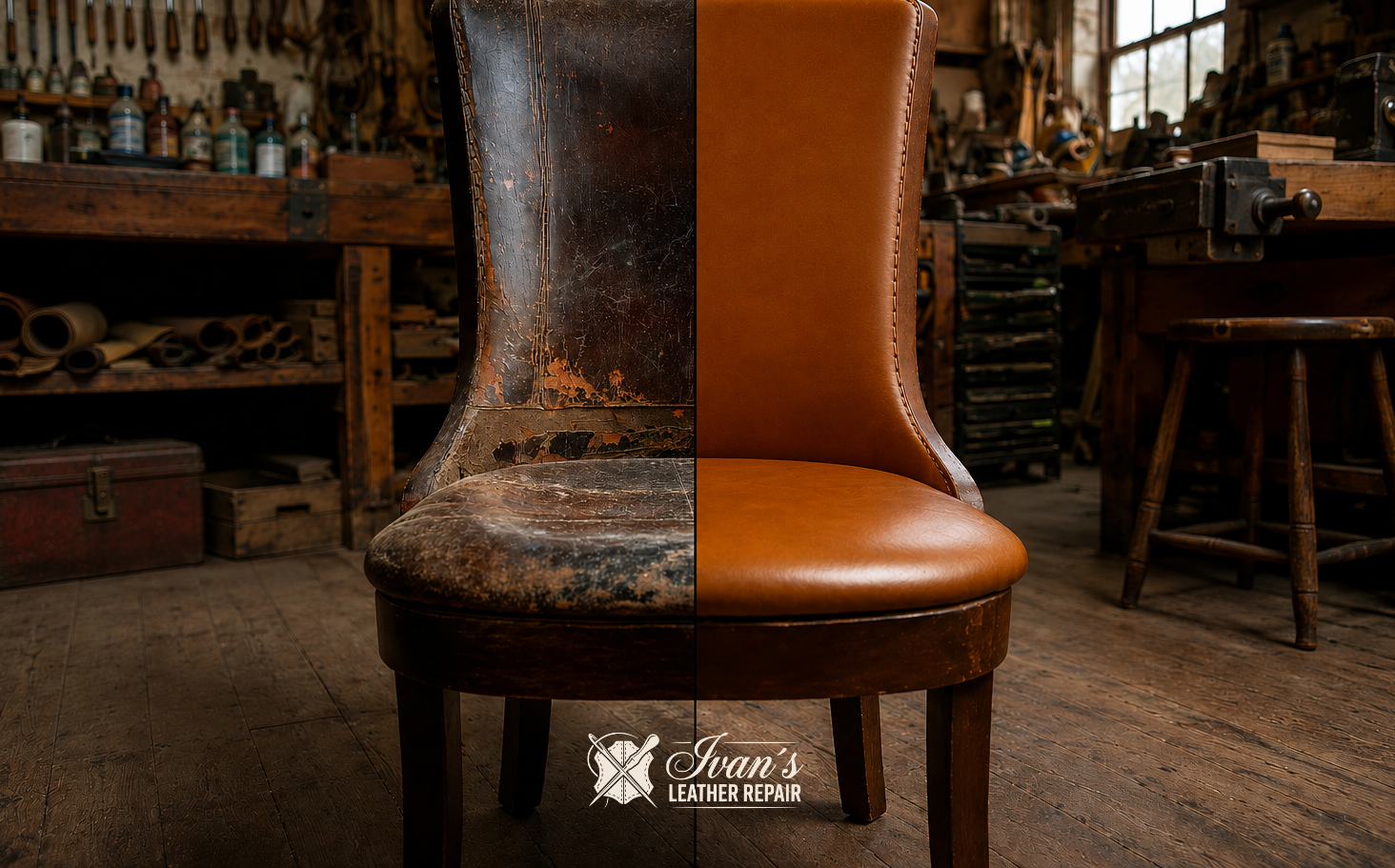
Some leather items are priceless beyond their monetary value. A favorite jacket, a family sofa, an antique chair, or a classic car interior might hold memories that a new piece can't replace. Restoration keeps those items alive while preserving the emotional connection. Many customers choose repair for this reason, even when replacement is possible.
This is common with heirloom furniture and vintage pieces. For treasured items, our antique furniture restoration service helps maintain character while addressing wear in a careful, respectful way. The result? A cleaner item that still feels like part of your life.
What Professional Leather Restoration Actually Involves
Inspection and Damage Assessment
The first step? A thorough inspection. A professional checks the type of leather, wear level, color condition, finish, and any structural damage. This matters because not every issue is handled the same way. Surface scratches, fading, and dryness might respond well to restoration, while severe peeling or dry rot could signal bigger problems.
Experts suggest figuring out whether the leather is full-grain, top-grain, corrected grain, or a more delicate finish before starting. Higher-quality leathers generally restore better due to their stronger fibers and durability. Want to know more about how material affects repair options? Our guide on how leather types affect durability and care is a good place to start.
Cleaning and Conditioning
After inspection, deep cleaning is usually next. This gets rid of dirt, oils, and residues that might mess with repair products. After cleaning, leather is often conditioned to regain flexibility and reduce stiffness. Conditioning is key for leather that’s dried out from age, sunlight, or use.
Conditioning alone doesn't solve everything, but it preps the surface for more advanced work. Often, a piece that seems dull and brittle turns visibly softer and healthier after this stage. That's why pros don't jump straight to recoloring or filling repairs without prepping the surface first.
Color Repair and Refinishing
Modern leather restoration often includes recoloring faded areas and refinishing the surface so repairs blend naturally. Technicians work to match the existing tone as closely as possible, which matters for sofas, vehicle seats, and jackets. Small scratches can be filled and blended so they disappear into the surrounding finish.
For worn furniture, this can make the difference between an item that still looks damaged and one that looks refreshed and balanced again. If your piece has broader wear, our leather chair repair and commercial leather repair services show how targeted refinishing can improve both looks and function.
What Types of Damage Can Usually Be Restored?
Scratches, Scuffs, and Surface Wear
Light to moderate scratches are among the most common restoration issues. These marks often come from daily use, pets, clothing friction, or general movement. In many cases, the damage is mostly cosmetic and can be improved with surface repair, color blending, and protective finishing. Even deeper scratches can be reduced significantly when handled correctly.
Want to know more about this issue? Our article on whether scratched leather can be repaired explains the difference between shallow marks and more serious damage. It also shows why scratch depth matters.
Fading and Sun Damage
Fading is another problem that restoration can often improve. Sunlight breaks down color over time and can dry out leather, making it lighter, stiffer, and more fragile. With the right preparation, color restoration can revive faded areas and protect the leather from further exposure.
This is especially useful for living rooms with bright windows or cars parked in the sun. If sun exposure has affected your furniture or vehicle interior, consider our specialized sun damage leather repair service. Proper restoration can improve both the look and the longevity of your piece.
Cracks and Drying
Minor cracks can often be treated before they spread. Professionals typically clean the area, stabilize the surface, fill where needed, and blend the finish. The goal is to prevent visible damage from becoming structural failure.
For leather that feels dry or stiff, care matters as much as appearance. Our related post, fixing stiff or dry leather gear, explains how drying affects leather performance and why timely treatment is so important. Once cracking gets severe, improvement is possible, but results heavily depend on condition.
When Restoration Makes More Sense Than Replacement
High-Quality Leather Is Worth Preserving
Not all leather items are equal. Full-grain and top-grain leather tend to age better and respond more favorably to repair than lower-grade materials. Because these leathers are stronger and more durable, restoration often preserves real value rather than just improving looks. A solid frame, strong stitching, and quality hide can justify the repair investment.
This is why pros often recommend repair first for premium furniture, good jackets, and well-made auto interiors. In contrast, lower-quality bonded leather or heavily deteriorated material might not justify extensive work. The goal is to restore what’s worth saving.
Replacement Isn't Always the Better Value
Replacement seems easier, but it often comes with hidden costs. New furniture might require delivery, assembly, and a larger upfront investment. A new jacket or car interior can also involve fit issues or a loss of the original character people liked.
Restoration is often the better value when the item still has a sound structure and visible damage is the main concern. For example, a leather sofa with fading and light cracking may be far less expensive to repair than replace, especially if the frame and cushions are still in excellent shape. That's why people increasingly look for repair before buying new.
Repair Fits with Practical Sustainability
Many consumers now look for lower-waste options in home goods and fashion. Restoration supports that mindset by keeping functional items in circulation and reducing waste. This isn't just a trend; it's a practical approach to ownership that extends the life of what you already have.
Resources like the FTC's guidance on environmental claims encourage thoughtful, honest thinking about sustainable choices. Repair is one of the most tangible ways to make those choices real in everyday life.
Real-World Examples of Leather Restoration in Action
Furniture Restoration That Preserved a Classic Look
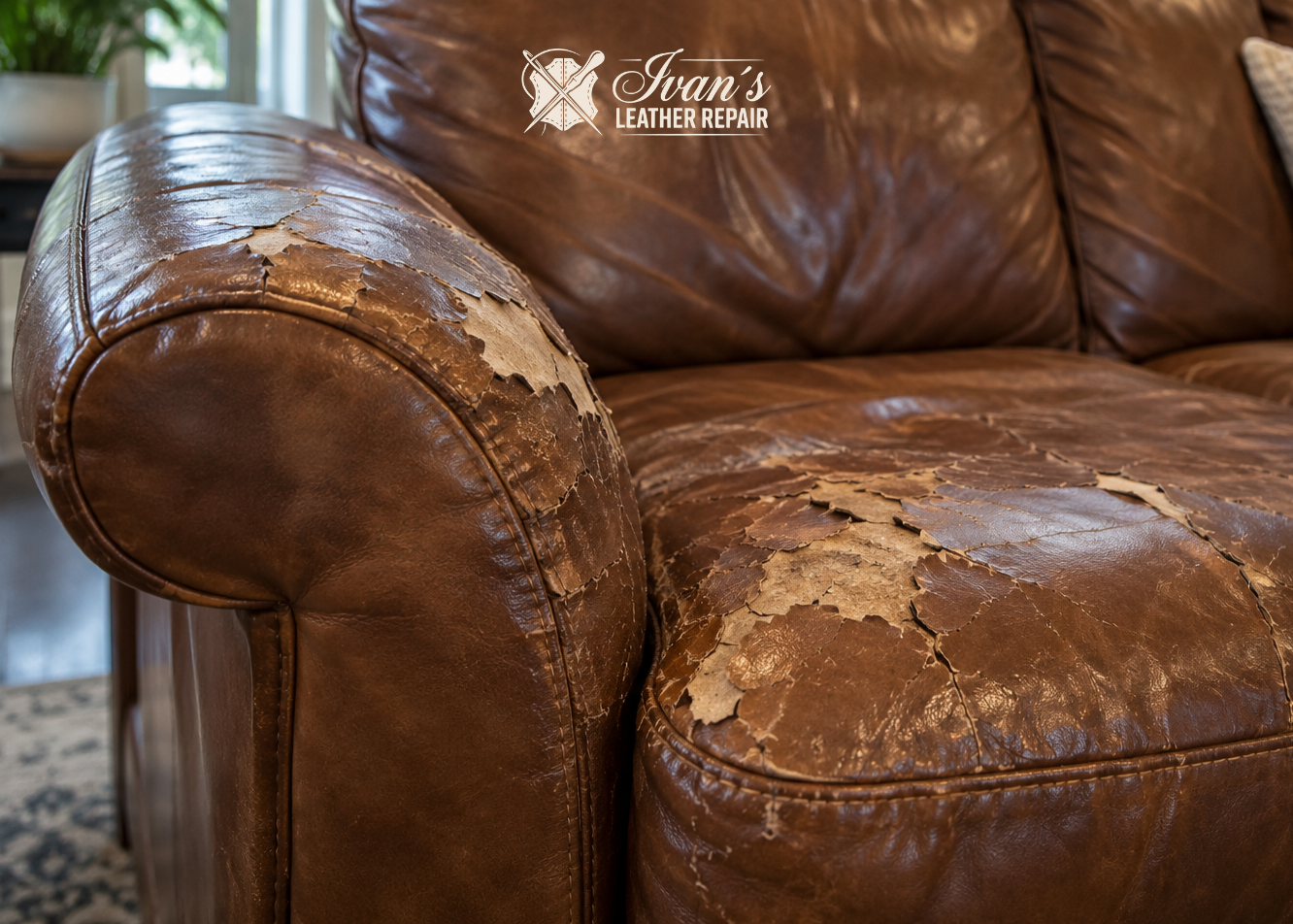
A Brooklyn homeowner brought in a vintage leather sofa that had faded unevenly and developed a few minor cracks. Instead of replacing a piece that matched the rest of the room, the restoration process focused on cleaning, conditioning, recoloring, and finishing. The result was a sofa that regained its richness without losing its classic style.
In cases like this, restoration does more than improve appearance. It preserves the layout of the home, saves money, and avoids the hassle of finding a similar replacement. For many families, that convenience is just as important as the visual improvement.
Leather Jacket Repair That Kept a Favorite Piece in Use
Another common example is a high-quality leather jacket with a deep scratch and a faded shoulder area from sun exposure. Instead of tossing the jacket, the repair process can involve filling the scratch, blending the color, and applying a protective finish. Done well, the jacket returns to regular use while keeping its original fit and style.
If you're dealing with wearable leather, our leather jacket repair service addresses exactly this kind of problem. People are often surprised at how much life can be restored with the right method and careful color matching.
Vehicle Interiors That Regain a Polished Finish
Car seats, trim, and armrests take daily abuse from sunlight, friction, and temperature changes. Restoration can fix worn bolsters, discoloration, and small tears before they become bigger problems. This matters in everyday vehicles, but it's even more important in specialty or classic cars where originality affects value.
For cars with aged or delicate interiors, auto leather repair and classic car interior restoration can make a substantial difference. A properly restored interior improves comfort, appearance, and the overall impression of the vehicle.
What Restoration Cannot Fix
Severe Structural Failure
Restoration is powerful, but it's not magic. When leather has extensive peeling, severe dry rot, or major structural breakdown, repair might not be enough. In those cases, the hide might not have the integrity needed to hold up through use. A professional assessment is important to keep expectations realistic.
This is why reputable technicians evaluate the item before making promises. If the leather is too far gone, a partial repair or replacement of certain components might be recommended instead. Honest guidance is part of quality service, not a sign that repair has failed.
Low-Grade Materials with Limited Repair Potential
Some materials, especially lower-end coated products, don't respond as well to restoration. If the surface layer is separating or the underlying material is weak, the best effort might only provide short-term improvement. In these situations, replacement can truly be the more practical route.
The same is true when damage is widespread across the entire item. A small patch can be repaired effectively, but a piece that's lost too much of its original strength may not be worth an extensive investment. Good professionals will explain that clearly rather than oversell the result.
Knowing When to Stop and Reassess
The smartest restoration strategy is not to repair everything blindly. It's to restore what can be saved and recognize when replacement is unavoidable. That judgment protects your budget and helps you make decisions based on real condition rather than hope alone.
If you're unsure, a consultation is the best next step. A trained eye can quickly distinguish between cosmetic wear, fixable damage, and true failure. That advice can prevent wasted money and keep your expectations grounded.
Common Questions About Restoring Worn Leather
Is Restoration Always Possible?
No, not always. Many items are great candidates for repair, but leather with severe peeling, deep structural breakdown, or extreme age might not be fully restorable. The answer depends on the quality of the leather, the extent of damage, and how the item has been cared for over time.
For more context, our blog post on whether old leather items can be fully restored breaks down the key factors that affect success. That article is a useful companion piece if you're deciding between repair and replacement.
How Long Does a Restoration Last?
With proper care, a well-restored leather item can last for many more years. Longevity depends on how the piece is used, whether it's protected from sunlight and moisture, and whether it receives regular conditioning. Restoration is strongest when it's followed by good maintenance.
That's why repair professionals often talk about aftercare as part of the job. The initial fix matters, but ongoing care is what keeps the results looking good. In many cases, a restored item can remain useful far beyond what the owner originally expected.
Can I Do It Myself?
Minor touch-ups can sometimes be handled with a DIY kit, especially for small scuffs or light surface wear. However, matching color, blending finish, and stabilizing damaged leather are harder than they look. A small mistake can make the problem more noticeable instead of less.
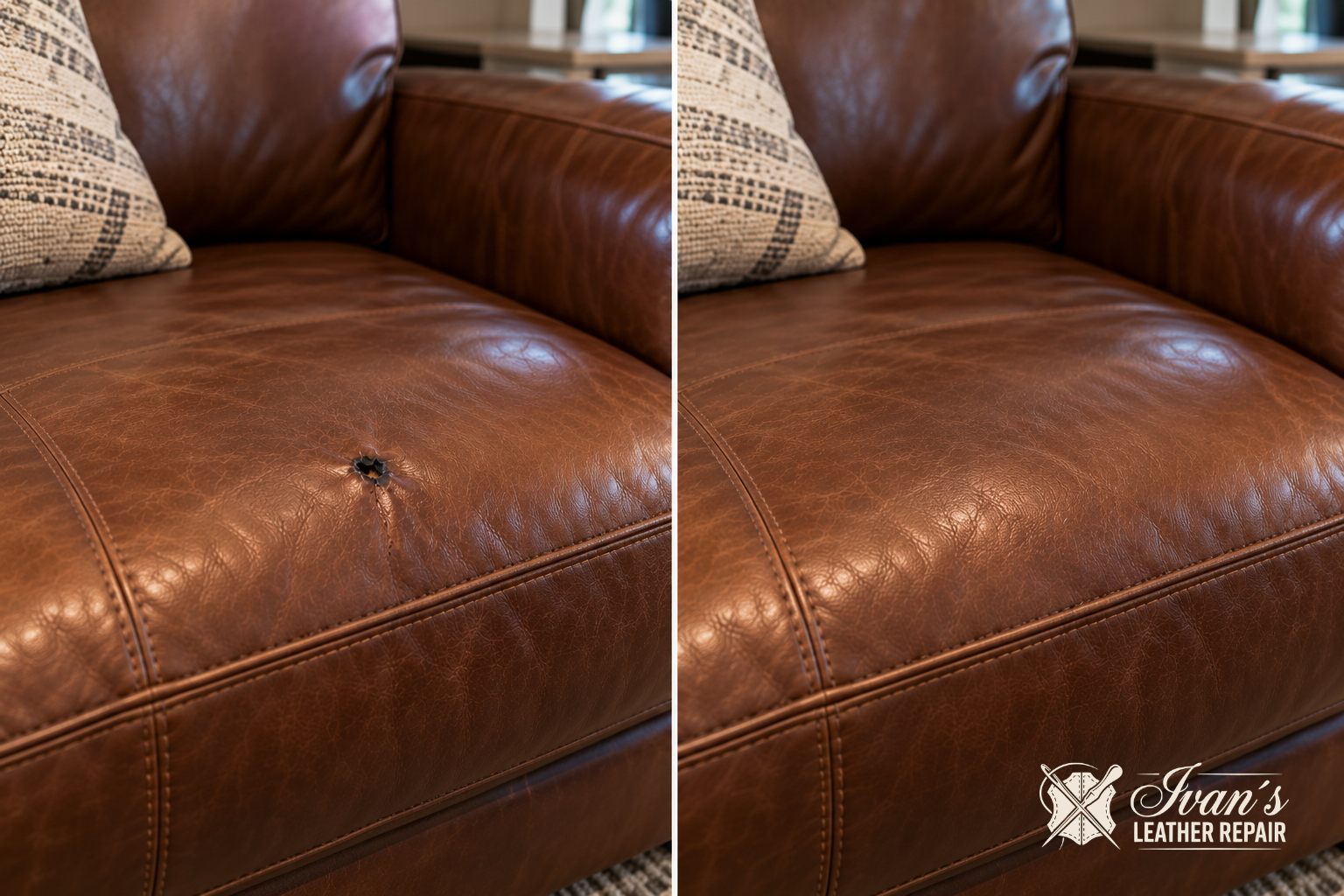
For important furniture, business seating, or high-value garments, professional help is usually the better choice. If the piece has pet scratches, burns, or complex damage, services such as pet damage leather repair and burn hole leather repair are often the safest route.
How to Decide Between Restore and Replace
Start with an Honest Inspection
Look at the overall structure first. If the frame, cushioning, stitching, or base material is sound, restoration may be a strong option. Then assess the visible issues: are they mostly cosmetic, or do they affect function and comfort? That distinction usually points you toward the right choice.
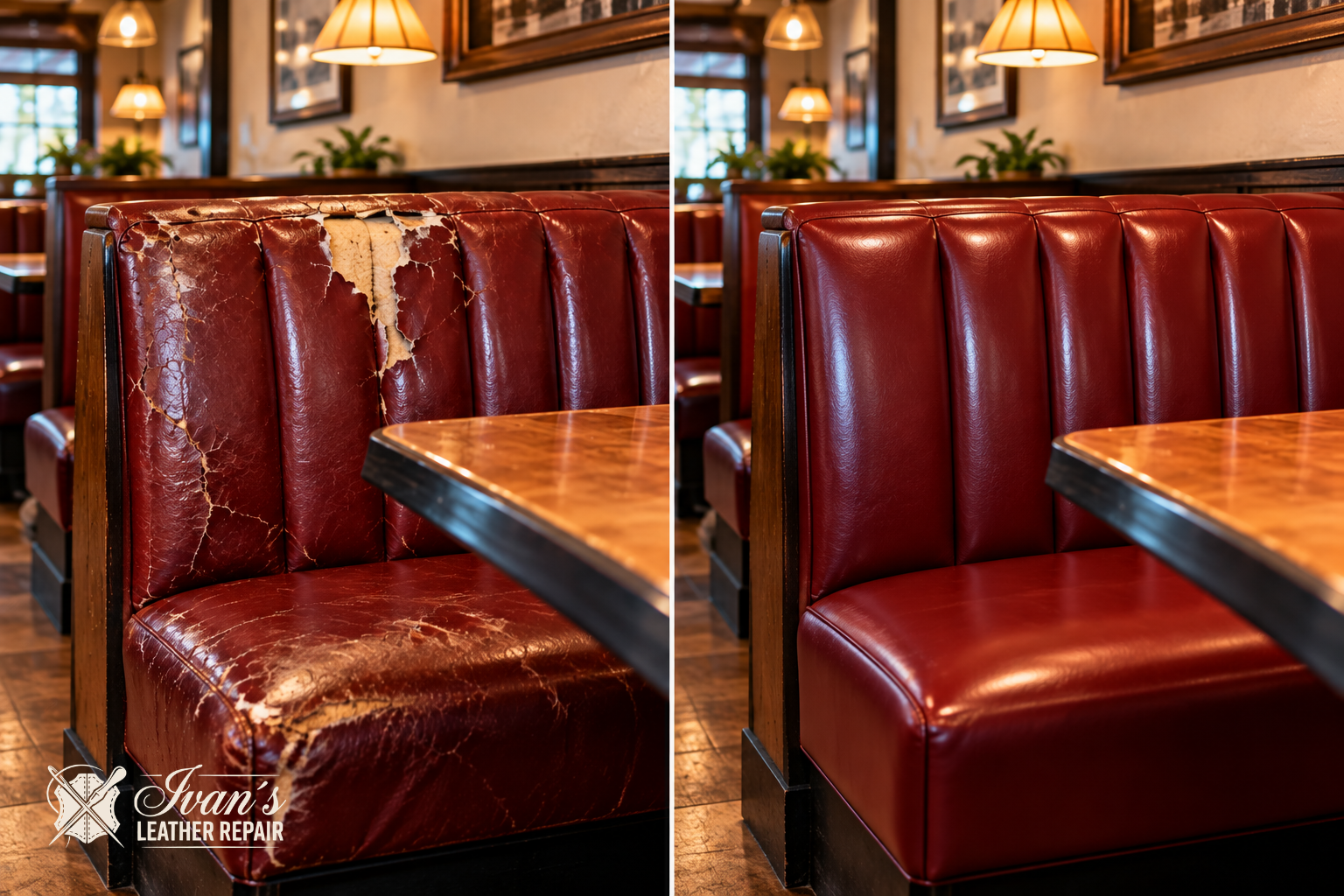
If you're dealing with a business environment, the same logic applies to waiting rooms, restaurants, and offices. Worn seating can be repaired efficiently without disrupting the entire space, which is why many owners choose restaurant booth repair or commercial leather repair instead of a full replacement cycle.
Compare Long-Term Value, Not Just Upfront Price
The cheapest option today is not always the best investment over time. If replacement means losing a quality frame, custom fit, or matching set, the hidden cost may be much higher. Restoration often preserves the original item while reducing the need for a new purchase.
When you compare price, comfort, and sustainability together, repair often comes out ahead. That's especially true for large furniture, premium jackets, and vehicle interiors where replacement can be expensive and inconvenient.
Consider Professional Advice Early
A qualified technician can tell you quickly whether repair is worth pursuing. That advice saves time and helps you avoid spending on a fix that won't last. It also clarifies whether a partial restoration, a full refinish, or a replacement recommendation is the most honest path forward.
If you want a professional opinion about worn leather in your home, car, or business, reaching out early is the best move. A short consultation can reveal a lot about the item's condition and the best strategy for keeping it usable.
Final Takeaway: Restore What Still Has a Future
When you restore instead of replace worn leather, you often gain more than a repaired surface. You preserve quality materials, reduce waste, save money, and keep items that still serve a purpose in your life. Restoration is not the right answer for every piece, but it's often the smartest first step when the leather is structurally sound and the damage is mainly visible or localized.
The key is choosing the right approach for the right item. Faded furniture, scratched jackets, worn car seats, and tired office seating can often be brought back beautifully with the right methods and careful color work. In many cases, the item that looked ready for the trash can become something you're proud to use again.
If you're ready to explore your options, Ivan's Mobile Leather Repair can help you understand whether restoration is the right choice for your leather item. Visit our website to learn more, or contact us to discuss your furniture, vehicle interior, jacket, or specialty piece. The sooner you evaluate the damage, the better your chances of saving what you already own.