How Leather Restoration in Brooklyn, NY Can Revive Your Favorite Items
Leat her is known for its durability, but even the best pieces show signs of aging eventually. Scratches, fading, cracked surfaces, and worn seams can make a beloved sofa, car seat, or jacket look tired long before it stops being useful. Professional leather restoration can change that by repairing damage and improving comfort while preserving the original character of the item. For many, it’s a smarter and more sustainable choice than replacing something with sentimental or financial value.
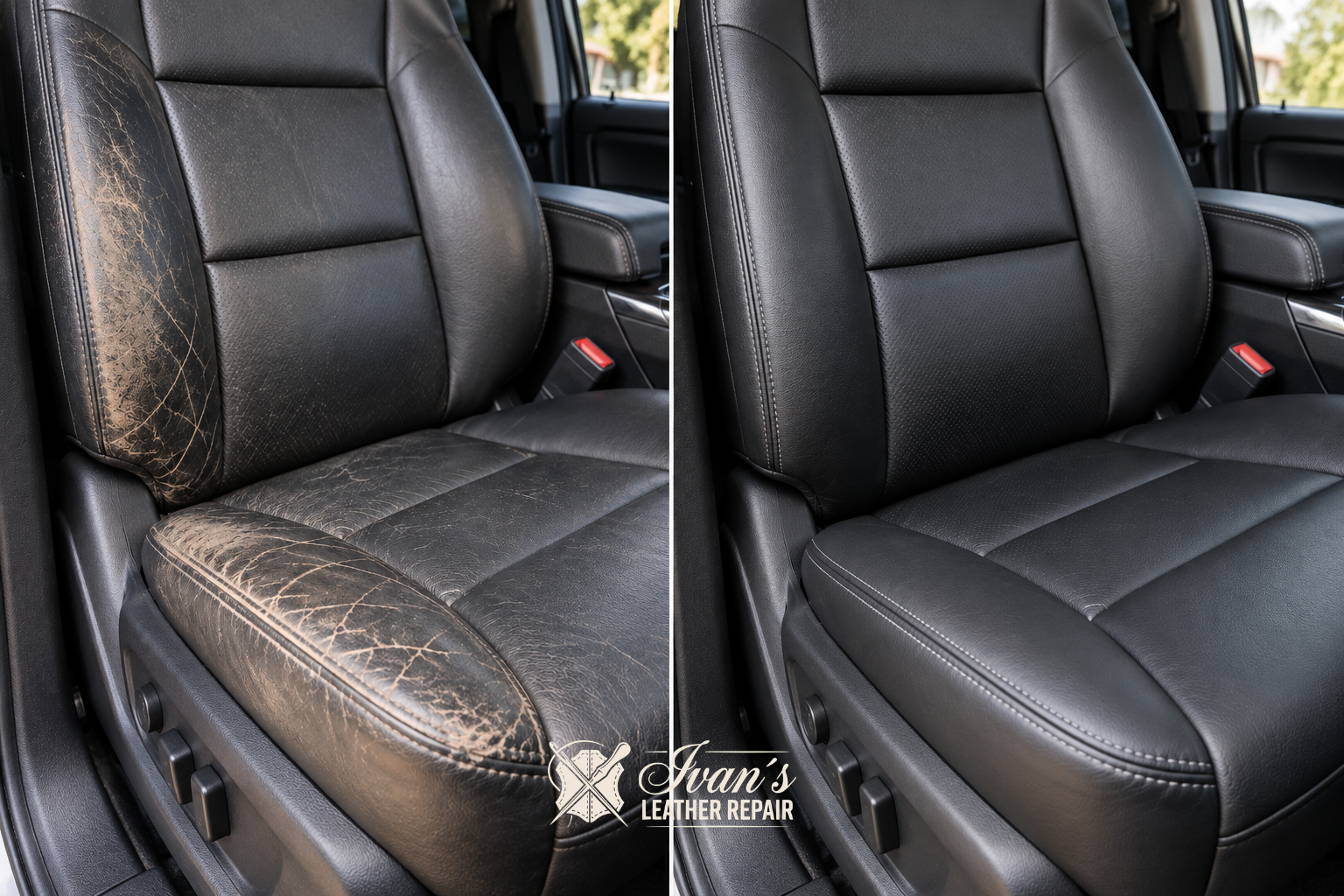
At Ivan’s Mobile Leather Repair, we don’t just patch up damage; we aim to revive your items so repairs blend seamlessly with the original finish. This is crucial because leather has texture, depth, and color variations that should be respected. If you're weighing options for leather sofa and couch repair or need help with a worn chair, the difference between a basic fix and a professional restoration can be striking. The same goes for vehicle interiors, where services like auto leather repair can transform the feel and look of a cabin without needing a full replacement.
Restoring leather aligns with a broader shift toward repair-first thinking. The U.S. Environmental Protection Agency has long promoted waste reduction and reuse as part of responsible consumption, and repair extends the life of existing goods practically. For a deeper dive into leather care and maintenance, check out our guide on keeping leather furniture looking great every day. In this article, we’ll explore what professional leather restoration involves, why it works, the latest trends, and how to know when restoration is the right choice.
What Professional Leather Restoration Actually Does
Fixing Damage While Preserving Original Look
Professional leather restoration is a specialized process that addresses visible damage and the underlying wear that makes leather feel old. Skilled technicians might clean the surface, repair cracks, fill worn areas, re-dye faded sections, rebuild texture, and apply protective finishes. The goal is to restore the leather’s appearance without making it look overworked or fake. Ideally, the repaired area becomes hard to spot unless you know exactly where to look.
This is especially important for high-use items like family room furniture, office seating, and car interiors. A home sofa with worn armrests or a vehicle seat with surface cracking might still be structurally sound, which makes a full replacement unnecessary. In such cases, professional leather restoration is more cost-effective and less disruptive than buying new. If the damage is more severe, a technician might recommend specific solutions like cracking leather repair or sun damage leather repair based on the cause of the wear.
Why Leather Needs Special Care
Leather is different from fabric, vinyl, or synthetic upholstery because it reacts to age, moisture, friction, sunlight, and cleaning products in unique ways. What works on one type might damage another. Top-grain, corrected-grain, antique leather, and automotive leather all require different products and techniques. This is why professional restoration is crucial: it’s a tailored process based on the material and extent of the damage.
People trying DIY fixes often use the wrong conditioner, an incompatible dye, or an overly aggressive cleaner. These products can darken leather unevenly, dry out the finish, or create a glossy patch that stands out. Professional technicians use testing, preparation, and color matching to avoid these results. For more details on how different materials behave, check out our article on how leather types affect durability and care.
Current Trends in Leather Restoration
Eco-Friendly Materials and Lower-Impact Methods
One major shift in the industry is the move toward eco-friendly restoration materials. Many professionals now prefer water-based products, low-odor coatings, and biodegradable dyes that reduce environmental impact while still delivering durable results. This change reflects consumer demand for safer, cleaner, and more responsible service options. It supports the idea that repair should protect both the item and the environment.
Authoritative guidance from the EPA’s reducing and reusing basics backs up the value of extending product life instead of replacing items unnecessarily. In leather restoration, that philosophy translates into careful cleaning, targeted repair, and finish work that keeps usable goods in circulation longer. It’s a win for property owners and a step toward less waste overall.
Mobile Service for Homes, Cars, and Businesses
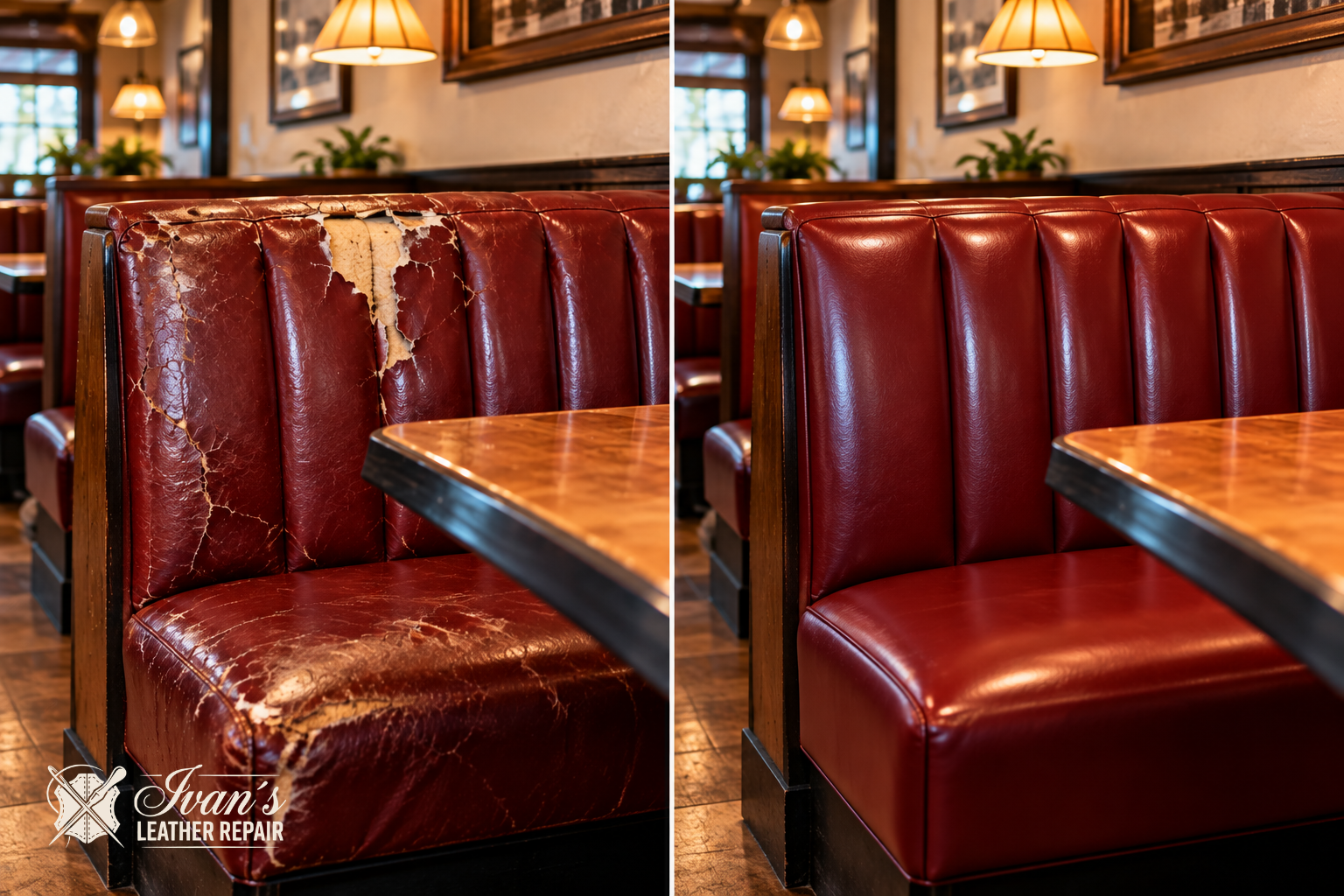
Another big trend is mobile leather restoration. Instead of requiring customers to transport large furniture pieces or remove vehicle interiors, technicians come directly to the site and do the work on location when possible. This is particularly useful in dense urban areas where moving large items can be costly and inconvenient. It also minimizes downtime for businesses needing seating repaired without closing parts of a waiting room or dining area.
A residential customer with a torn sectional, for instance, might benefit from on-site repair, avoiding the hassle of moving a heavy sofa through tight spaces. Likewise, a business owner managing a lobby or restaurant can schedule service around operating hours to minimize disruption. If you’re considering repair for a commercial setting, our commercial leather repair service is designed for exactly those needs, while restaurant booth repair helps hospitality spaces stay polished and comfortable for guests.
Demand for Color Matching and Finish Blending
Modern consumers expect restoration work to look seamless, not obvious. This expectation has pushed the industry toward better color matching systems, improved adhesives, and more refined finishing techniques. Exact color matching is especially important for leather because small differences in tone can stand out immediately, even if the repair itself is structurally sound. The best technicians spend time blending new material into the old surface so the result looks unified under both natural and indoor light.
Industry experts often point out that finish blending is as important as the repair itself. If the color is right but the sheen is wrong, the area still reads as repaired. This is why professional leather restoration includes careful surface prep, tint testing, and layered application methods. In some cases, the work may also involve related services such as pet damage leather repair when claws or bites have created deep marks that affect both texture and color.
Common Problems Professional Restoration Can Fix
Cracks, Fading, and Surface Dryness
Cracking is one of the most common reasons people seek restoration. It usually appears when leather loses oils and flexibility through age, sunlight, heat, or frequent use. Small cracks can often be stabilized, filled, recolored, and protected so they don’t continue spreading. While deep structural failure may require more extensive work, many cracked surfaces are still salvageable with the right process.
Fading is another frequent issue, especially for items placed near windows or in sunny rooms. Over time, UV exposure can bleach color, dry the surface, and make leather appear patchy. When the damage is primarily cosmetic, sun-damaged leather repair can restore tone and improve consistency across the piece. If the item is also stiff or dehydrated, it may need careful conditioning as part of the restoration plan, similar to the maintenance advice covered in our guide to fixing stiff or dry leather gear.
Tears, Burns, and Pet Damage
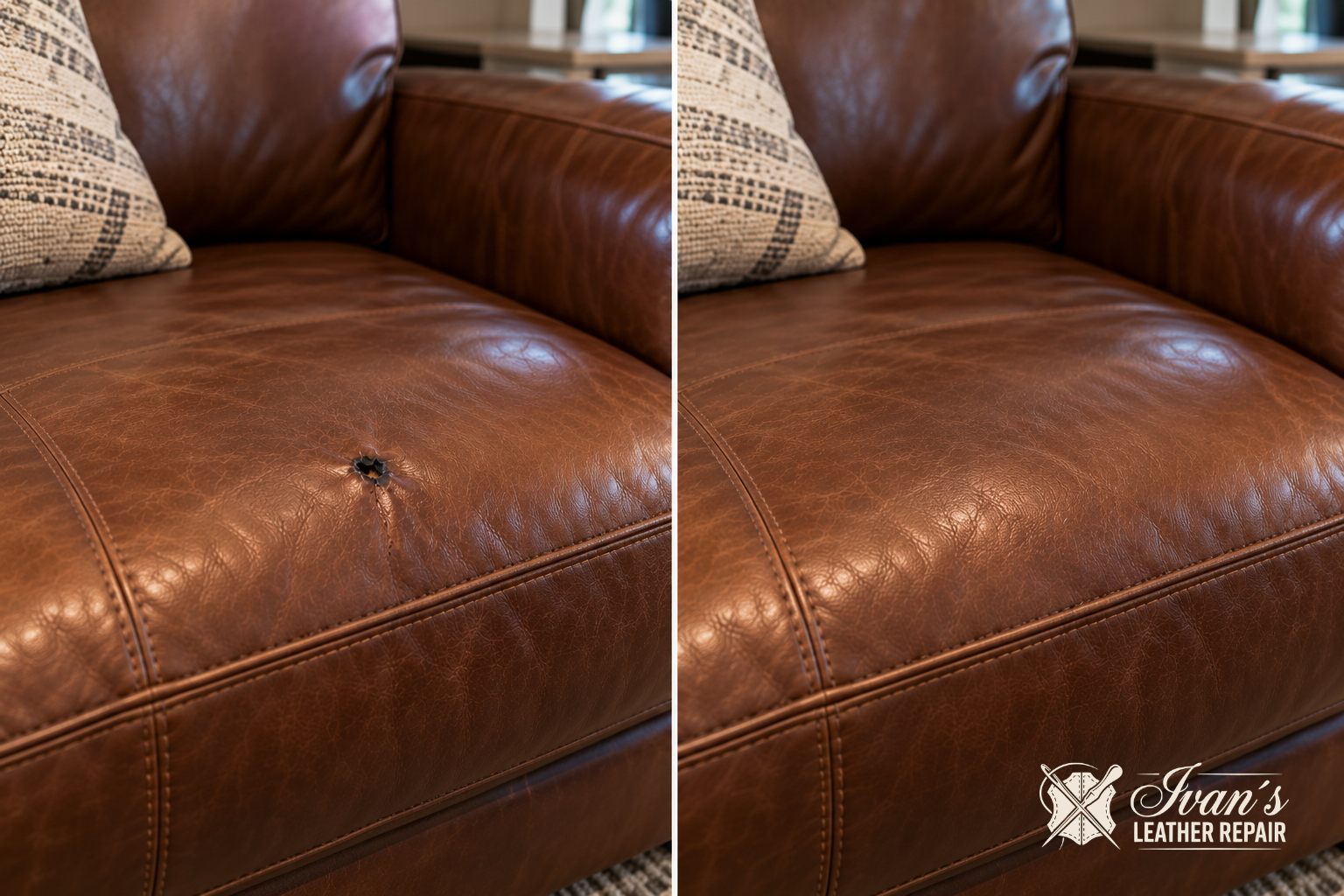
Localized damage doesn’t always mean replacement. Small tears along seams, burn holes from cigarettes or heat, and claw marks from pets can often be repaired with patching, filling, recoloring, or surface reconstruction. The key is matching the repair method to the size and depth of the damage. A tiny burn hole in a sofa cushion requires a different solution than a long tear across a seat panel.
For this reason, services are often specialized. A technician might recommend burn hole leather repair for heat damage or pet damage leather repair when claws have scratched through the finish. Many homeowners are surprised by how much can be saved when the damage is evaluated professionally. That’s why getting an informed assessment is often the first step before assuming a replacement is necessary.
Wear in Furniture, Jackets, and Seats
Everyday friction creates predictable wear patterns. Sofa armrests, headrests, office chair edges, and car seat bolsters tend to show age first because they receive the most contact. Jackets develop scuffs at the elbows, collar, and cuffs, while restaurant booths and lobby seating wear down from constant use. Over time, these patterns can make an otherwise good-quality item look neglected.
Professional restoration addresses these high-contact areas with cleaning, fill work, recoloring, and topcoat protection. The result is not only a better appearance but improved comfort and usability. If your concern is furniture specifically, our leather chair repair and residential leather repair services are built for everyday home use. For outerwear, leather jacket repair can revive a favorite piece that still has plenty of life left in it.
How Experts Approach the Restoration Process
Inspection and Damage Assessment
The first stage of professional leather restoration is evaluation. A technician looks at the type of leather, the nature of the damage, previous repairs, and the overall condition of the item. This step matters because leather often has hidden issues beneath the visible wear, such as brittleness, weakened seams, or finish failure. A careful inspection helps determine whether restoration is appropriate and what kind of work will produce the best outcome.
In many cases, the technician will ask for photos or perform an on-site review before creating a plan. This saves time and helps set realistic expectations. It also allows the customer to understand whether the item is a good candidate for repair or whether a more limited treatment is advisable. Some services, including inspection-based estimates, help the customer make an informed decision before committing to a project.
Cleaning, Preparation, and Surface Correction
Once the item is approved for restoration, the surface must be cleaned and prepared. Professional cleaning removes built-up oils, dirt, and residues that can interfere with adhesion or color work. The technician then corrects loose fibers, smooths rough areas, and prepares cracks or worn patches for the next stage. Preparation is one of the most important steps because even the best dye or filler will fail if the surface has not been properly cleaned.
This is where professional technique becomes obvious. A rushed repair may skip preparation and create a patch that peels or looks uneven within weeks. By contrast, a careful process improves longevity and appearance at the same time. For people interested in learning how restoration differs from simple cleaning, our guide on whether you should get professional leather repair explains when expertise makes the biggest difference.
Color Matching and Finish Application
Color matching is one of the most technical parts of the job. Leather can have subtle undertones, patina, and sheen variations that are difficult to replicate by eye alone. Professionals test colors in layers, adjust the mix as needed, and compare the repaired section under different lighting conditions. This process is especially important on large visible surfaces like sofas, car seats, and business seating.
Once the color is right, the finish is sealed and adjusted to match the surrounding texture and shine. The final result should feel integrated rather than painted over. For car interiors, especially when dealing with dashboards, seats, and trim, techniques used in auto leather repair or even classic car interior restoration can preserve the original look while renewing the cabin. The same attention to detail applies to leather furniture and personal items alike.
Real-World Examples That Show the Value of Repair
A Torn Sectional Saved by On-Site Restoration
Think of a family in Park Slope with a sectional sofa that split along the seam after years of daily use. Instead of replacing a large, expensive piece, an on-site technician repaired the tear, matched the color, and blended the surface so the damage no longer drew attention. The family avoided the cost and inconvenience of moving the sofa out of an apartment building, and the sectional remained a central part of the living room.
This kind of outcome is common because many leather problems are localized. A crack in one cushion or a worn armrest doesn’t always mean the entire item is beyond saving. For homeowners and renters dealing with similar issues, leather sofa and couch repair can provide a practical alternative to replacement. In some cases, particularly when the damage affects a treasured or high-quality item, repair preserves both value and emotional attachment.
Business Seating Restored Without Shutting Down Operations
A restaurant or office waiting room can’t always afford to remove seating for long periods. That’s where mobile leather repair becomes especially valuable. A business can schedule service during off-hours or slower times and keep the customer experience intact. Restored booths, chairs, or lobby seats help the space look professional and well-maintained, which supports customer confidence.
The commercial leather repair approach is particularly useful for hospitality and office environments because it focuses on speed, consistency, and finish quality. It can also help businesses extend the life of expensive furnishings instead of replacing multiple pieces at once. In a repair-focused business model, the savings can be substantial over time, especially when multiple pieces wear together.
Leather Jackets and Specialty Items Brought Back to Life
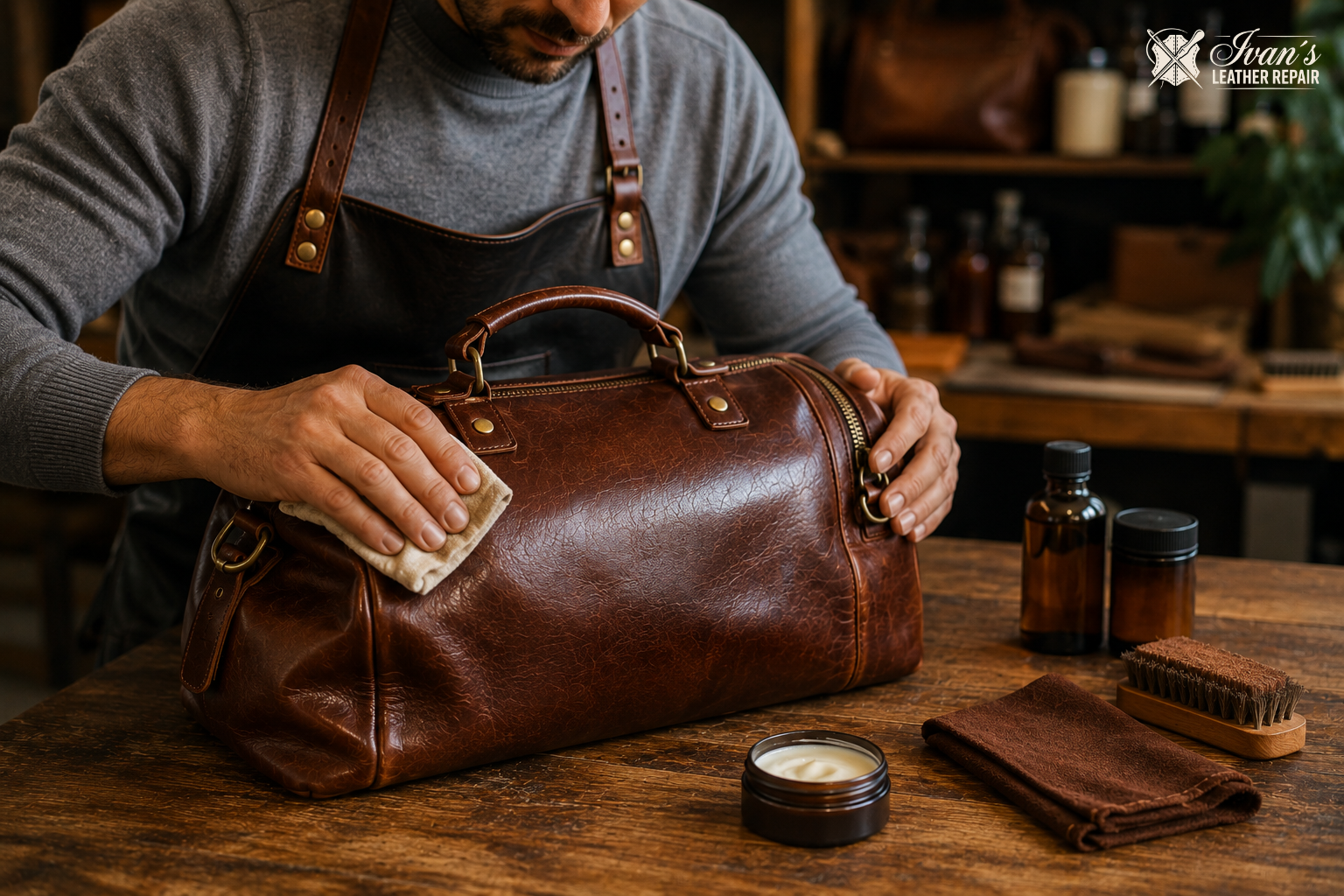
Leather restoration isn’t limited to furniture or vehicles. Jackets, bags, and specialty accessories can also benefit from professional attention. A jacket that has faded at the shoulders or picked up small tears can often be refreshed with careful cleaning, color repair, and finish protection. This kind of work matters because outerwear often carries both practical and sentimental value.
For older or heirloom-quality items, specialist care can be especially valuable. In some cases, antique furniture restoration principles apply to leather pieces too, where preserving originality matters as much as visual improvement. The best repairs respect the item’s history while making it usable again.
How to Know Whether Restoration Is Worth It
When Repair Is the Better Choice
Repair is usually the better option when the damage is localized, the leather is still structurally sound, and the item has a useful life remaining. It’s also a strong choice when the piece is expensive to replace, difficult to move, or part of a matching set. If the frame, padding, or core structure is in good condition, restoring the visible surface often makes the most sense financially and environmentally.
Restoration is especially appealing when the item has sentimental value or is part of a custom design. Many customers are attached to a specific sofa, seat, or jacket because of the fit, color, or memories tied to it. In those cases, the ability to repair rather than replace feels personal as well as practical. For readers who want to compare repair and replacement more closely, our article on whether scratched or faded leather can be fully restored provides a useful decision-making framework.
When Replacement May Be Necessary
Sometimes restoration isn’t the best answer. If leather is severely dried out across the entire surface, the backing has failed, or multiple layers are separating, repair may only provide a temporary improvement. Large-scale structural failure can make replacement more sensible, especially if the cost of restoration approaches the cost of a new item. A professional assessment helps clarify where that line falls.
Even when replacement is needed, a knowledgeable technician can often explain what was salvageable and what caused the damage in the first place. That insight is useful for future purchases and maintenance decisions. It may also help you avoid repeating the same issue, whether it came from sunlight, poor cleaning habits, or everyday wear in a high-traffic area.
Maintenance Tips to Extend the Life of Restored Leather
Keep Leather Clean, Conditioned, and Protected
Once leather has been restored, proper maintenance helps protect the investment. Regular dusting, gentle cleaning with approved products, and periodic conditioning can prevent the surface from drying out and cracking again. Avoid harsh chemicals, abrasive cloths, and random household cleaners unless they’re specifically recommended for leather care. Good maintenance keeps the finish stable and preserves the repaired areas longer.
Placement matters too. Items exposed to direct sun, heat vents, or heavy friction will wear faster than items kept in balanced conditions. If possible, rotate cushions, use window treatments, and keep sharp objects away from vulnerable surfaces. These habits may seem small, but they make a meaningful difference in the lifespan of the item.
Watch for Early Warning Signs
Small issues are easier to handle than major ones. If you notice fading, dryness, minor cracking, or a seam beginning to loosen, it’s better to address it early than wait for the damage to spread. A quick response can often reduce the scale of repair and keep the item looking consistent. This is especially true for leather furniture and car interiors, where one neglected spot can quickly become a bigger restoration project.
For ongoing care and early intervention, many homeowners also benefit from learning how climate affects leather. Our article on how climate and humidity influence your leather over time explains why seasonal conditions matter and how to protect leather before damage worsens. The more you understand the material, the easier it becomes to preserve it.
Why Professional Leather Restoration Is a Sustainable Investment
Reducing Waste Through Repair
Leather restoration supports sustainability by keeping usable items out of landfills and reducing the demand for new materials. That matters in a world where replacement often feels easier than repair, even when the original item still has years left in it. Choosing restoration is a practical way to extend product life and reduce unnecessary waste. It also supports a repair culture that values craftsmanship and responsibility.
For many customers, the environmental benefit is just as important as the financial one. Restoring a leather sofa, seat, or jacket can delay replacement by years, which lowers the environmental footprint associated with manufacturing, shipping, and disposal. That’s why professional leather restoration is often framed not only as a service, but as a smarter way to manage the items people already own.
The Value of Craftsmanship and Trust
Professional restoration works best when customers trust the process, and the technician has the knowledge to execute it well. Skilled craftsmanship is what separates a quick patch from a durable, attractive result. That expertise is why many people turn to specialists rather than trying to fix valuable items on their own.
In the end, leather restoration is about more than appearance. It’s about keeping useful things in service, honoring the material, and getting the most value from what you already own. Whether you need help with furniture, a vehicle, or a favorite accessory, the right repair can make an item feel useful, attractive, and worth keeping again.
Conclusion: Bring Your Leather Back to Life with Expert Help
Professional leather restoration offers a practical, sustainable, and visually impressive way to revive worn items. From color matching and crack repair to mobile on-site service and eco-friendly materials, today’s restoration methods can solve many problems that once meant replacement. The results are especially compelling for furniture, car interiors, jackets, and other pieces that see daily use. When the work is done carefully, the item doesn’t just look better; it feels renewed.
If you’re deciding whether an item is worth saving, the best next step is a professional assessment. A trained technician can tell you what is repairable, what the timeline may look like, and which methods will produce the most natural result. If you need help now, explore our service pages for residential leather repair, auto leather repair, or leather jacket repair, and contact Ivan’s Mobile Leather Repair to discuss your project. Your leather may have more life left in it than you think, and expert restoration can help bring that life back.