Small leather damage might seem harmless at first: a tiny scratch on your sofa arm, a scuff on your car seat, or a light crack on your favorite jacket. But leather is a natural material, and once its protective surface is compromised, minor wear can spread quickly. Acting early is one of the smartest ways to protect the look and life of your leather goods.
This guide explains why quick repair matters, the types of damage that can get worse over time, and when DIY care makes sense versus calling a professional. If you're looking to protect furniture, interiors, and personal items, check out our leather sofa and couch repair and auto leather repair services, designed to restore worn surfaces before the damage becomes pricier to fix.
Repairing leather is also part of a larger move towards sustainability. More people are choosing to repair rather than replace, especially for well-made items that still have years left. This trend is growing as people seek more responsible, cost-effective alternatives to tossing things away. Industry reports and market analysis from sources like P Market Research show strong interest in repair-based solutions, while the U.S. Environmental Protection Agency stresses the value of reducing waste through reuse and longer product life cycles.
Why Minor Leather Damage Gets Worse Fast
The Surface Layer is Just the Start
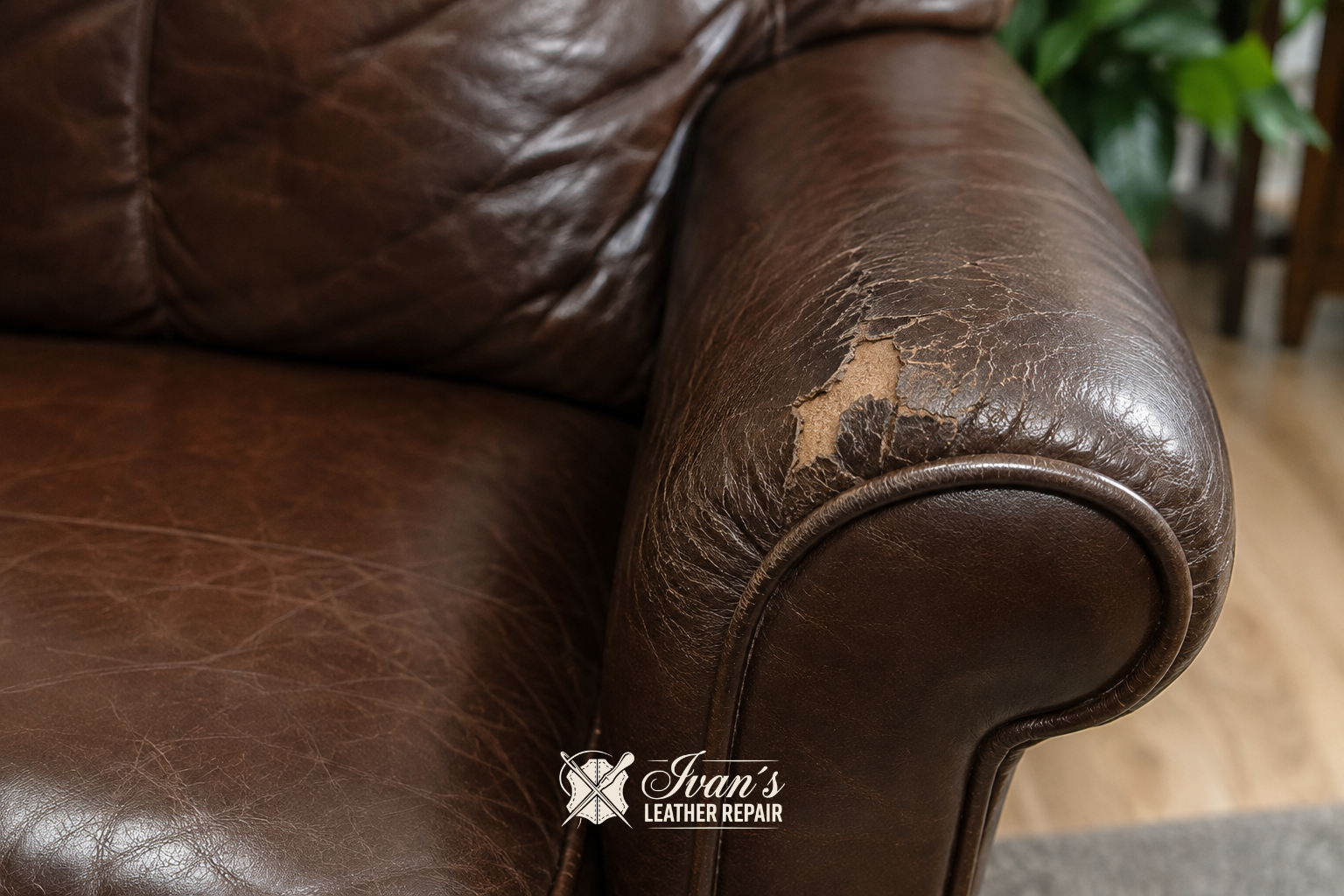
A small scratch might look like just a cosmetic issue, but leather damage often starts at the surface and then moves deeper. Once the protective finish is broken, the material underneath becomes more vulnerable to moisture loss, friction, staining, and cracking. What looks like a single mark today can become a bigger patch of wear tomorrow.
This is especially true for high-touch areas like seat bolsters, sofa cushions, armrests, and jacket sleeves. Every time the leather flexes or rubs against clothing, the damaged area experiences more stress. If you're already noticing fading, dryness, or early cracking, a service like cracking leather repair can help stabilize the surface before the issue spreads.
Environmental Exposure Makes Damage Worse
Leather is sensitive to sunlight, heat, humidity, and cleaning products. Direct sun can dry it out, while excess moisture can weaken the finish or encourage staining. Harsh chemicals may strip away oils and protective coatings faster than normal wear would. The result is a surface that becomes more brittle and less resilient with each passing week.
Weather experts often note how sunlight and humidity vary by season, and those fluctuations matter for indoor materials too. For broader care guidance, the National Park Service offers useful preservation tips that apply well to household leather: keep items clean, dry, supported, and away from damaging conditions whenever possible.
Small Flaws Can Affect the Structure
When leather starts to fail, the problem isn't just about looks. Surface damage can lead to seam stress, padding exposure, foam compression, and uneven wear across the item. That's why timely action matters. A quick repair to a minor tear can preserve the surrounding material and delay much more extensive restoration work.
For items used daily, like office chairs or restaurant seating, the pressure from regular use can speed up wear dramatically. In those settings, early attention to a small defect may prevent a service interruption later. Businesses that rely on polished presentation can benefit from commercial leather repair before a visible problem affects comfort, customer perception, or staff morale.
Common Types of Leather Damage You Shouldn't Ignore
Surface Scratches and Scuffs
Light scratches are among the most common forms of damage, especially on smooth-finish leather. These marks often appear after contact with sharp objects, pets, bags, or rough clothing. If the scratch is shallow, it may only affect the top coating, which means it can often be improved with proper cleaning, conditioning, or recoloring.
However, repeated scratches in the same place can create a worn zone that becomes increasingly visible. Once the finish is inconsistent, the area may begin to absorb dirt differently from the surrounding leather. That's why it's wise to deal with scratches quickly, especially on high-visibility pieces like living room seating or vehicle interiors.
Small Tears and Punctures
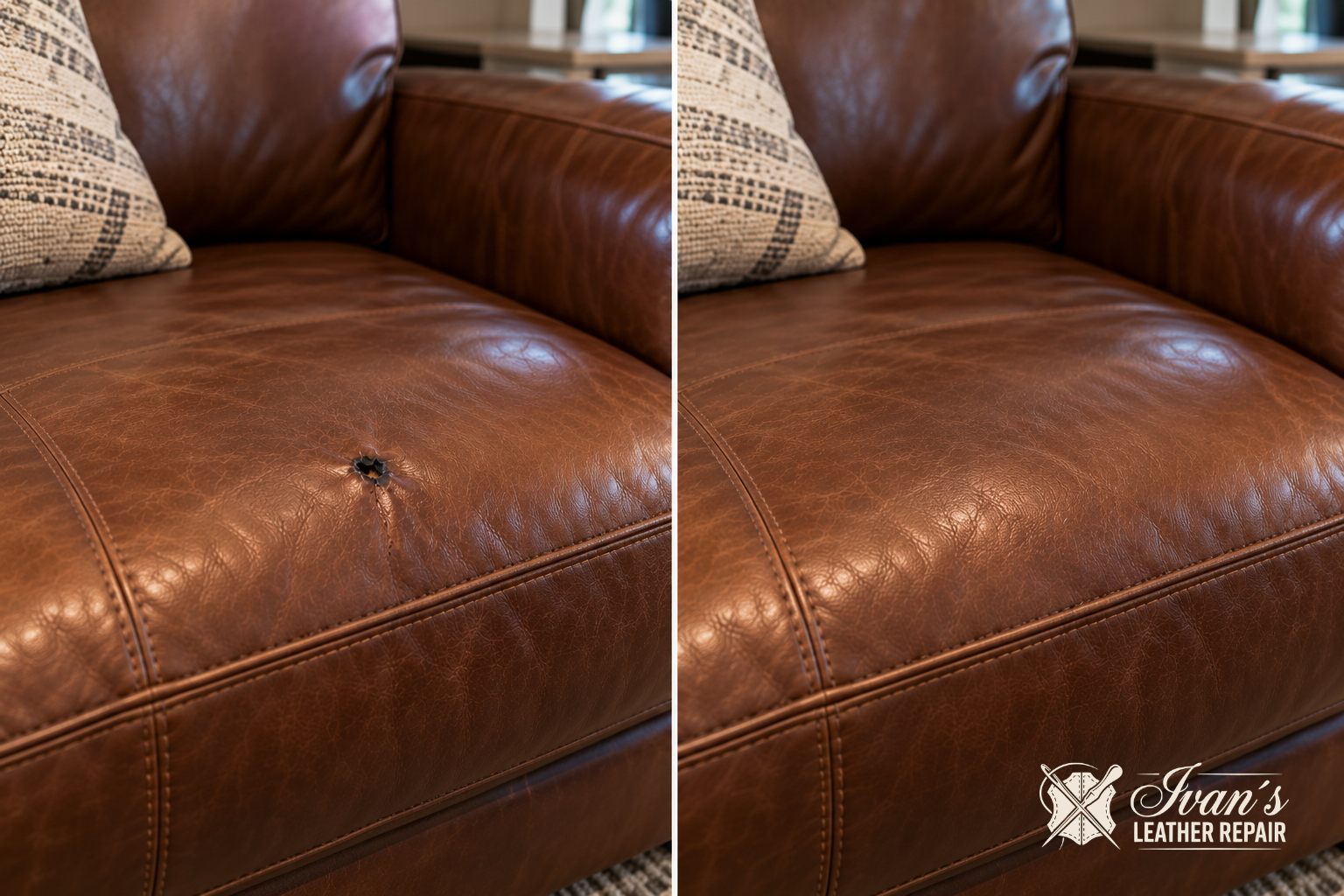
A tiny tear may not seem serious, but it can grow with every use. When leather is pulled in multiple directions, even a small opening can stretch into a longer rip. This is common on cushions, seat seams, and flexible jacket panels. A prompt fix helps prevent the tear from catching on clothing or widening under pressure.
If the tear is near a seam or stress point, a professional should assess it sooner rather than later. Sometimes, the right approach is not just patching but reinforcement and finish blending. For jackets, for example, our leather jacket repair service is designed to preserve wearability while restoring appearance.
Dryness, Fading, and Early Cracking
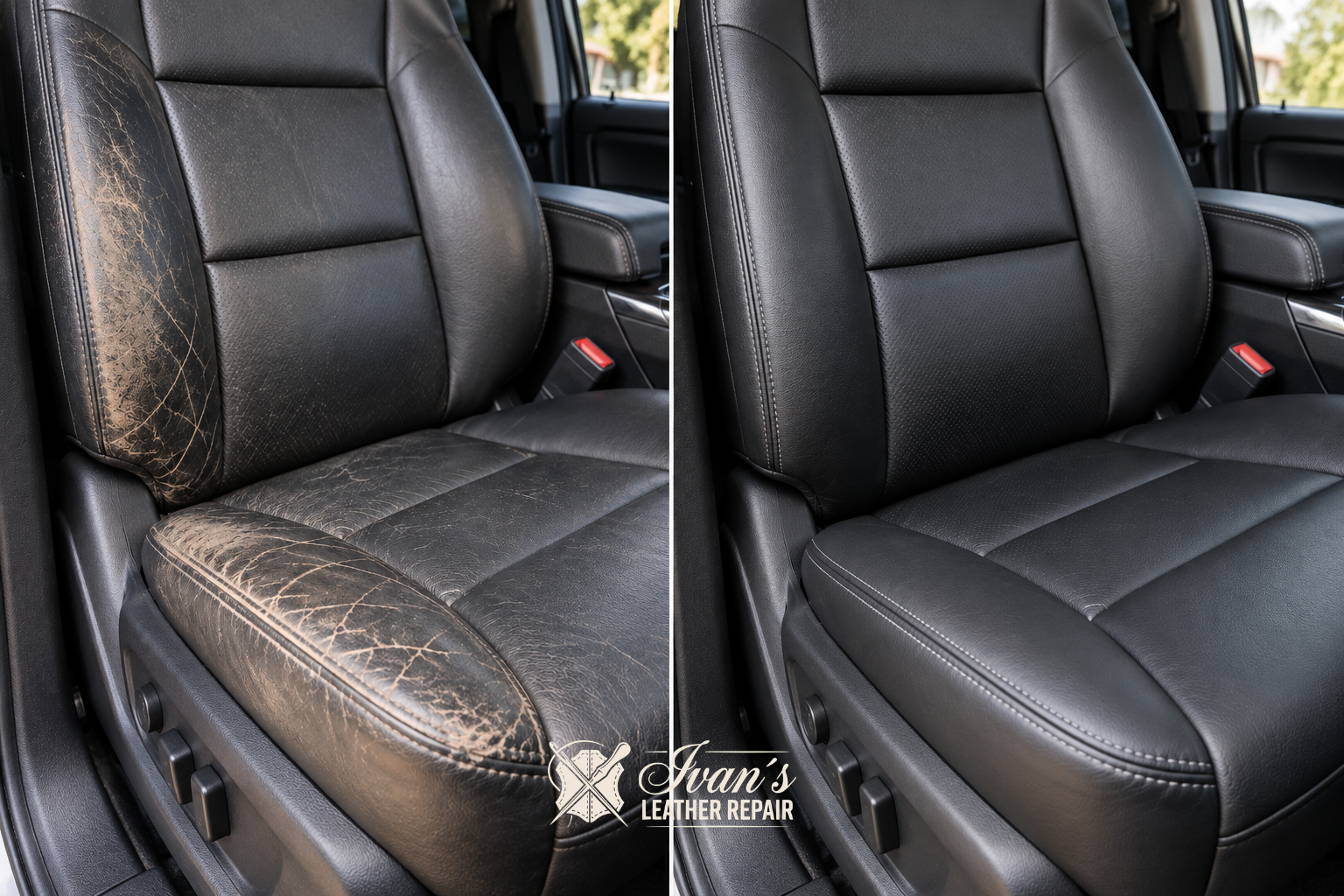
Dry leather may first appear dull or stiff, but those are usually warning signs. As the material loses flexibility, fine lines begin to form, and the surface can eventually crack. Sun exposure is a common cause, which is why targeted sun damage leather repair can be essential for pieces placed near windows or used in bright vehicles.
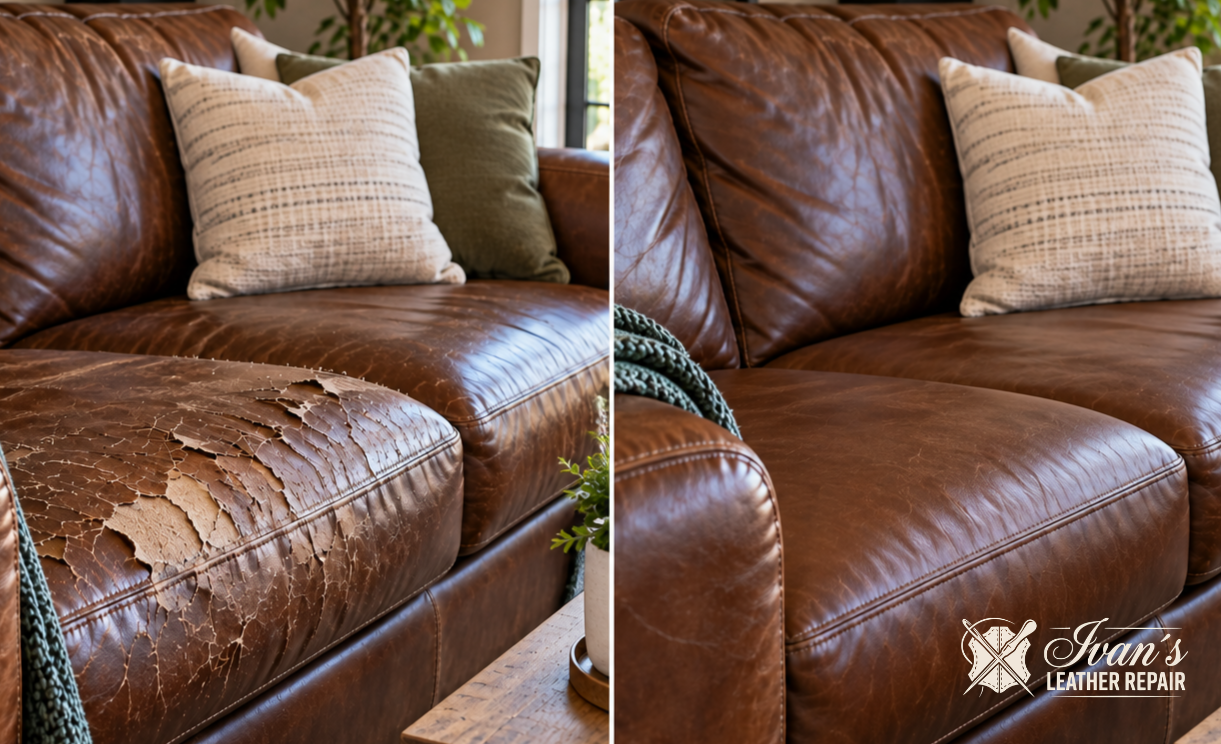
The earlier you address dryness, the more likely conditioning and surface restoration will work well. Once cracking becomes widespread, the repair process usually becomes more involved and may require filling, recoloring, and sealing. That's one reason professionals recommend handling minor damage at the first sign of change.
Why Early Repair Saves Money
Minor Repairs Need Less Work
Fixing a small scratch or shallow crack is usually faster and cheaper than restoring a badly worn panel. The technician can often work on a limited area without having to rebuild the entire finish. That means less material, less time, and a more seamless result for you.
Waiting often turns a simple repair into a multi-step project. A tiny nick can become a tear, a tear can expose foam or backing, and exposed backing can lead to larger replacement needs. Early intervention protects your budget by keeping the problem contained.
Replacement Isn't Always Better
Sometimes people think replacement is easier, but that's not always true. Replacing leather furniture, vehicle trim, or a favorite jacket can be expensive and may not match the original craftsmanship. High-quality leather goods often justify repair because the underlying item is still structurally sound.
This is especially true for valuable or sentimental pieces. If you're trying to preserve the character of a cherished item, restoration can maintain the original feel while improving the surface. For worn seating at home, a service like residential leather repair can often provide better value than buying new furniture.
Repair Keeps Value Over Time
Leather goods in good condition tend to hold value better than visibly damaged ones. That matters for homeowners, car owners, and businesses alike. A well-maintained leather item shows care, quality, and durability. When it's time to sell, trade, or refresh a space, better-looking leather can make a noticeable difference.
Market research from sources like Stats N Data points to steady demand for repair services, showing a growing understanding that restoration is often the smarter financial choice. In many cases, the cost of early repair is a fraction of the cost of replacement.
DIY Leather Repair: What You Can Safely Handle
When Home Repair Makes Sense
You can manage some minor leather issues at home if the damage is shallow and the leather is still in stable condition. Light surface scratches, mild dryness, and small scuffs are often good candidates for gentle cleaning and conditioning. The key is to use products made for leather, not general cleaners that may strip oils or discolor the finish.
Home care works best when the problem is isolated, and the item is not under intense daily stress. If you're dealing with a chair used occasionally or a decorative piece with superficial wear, careful treatment can buy time and improve appearance. For a broader maintenance strategy, our guide on how to keep leather furniture looking great every day can help you build a routine that prevents many of these issues from starting.
Basic DIY Steps to Follow
Start by cleaning the surface with a soft cloth and a leather-safe cleaner. Then apply a conditioner sparingly and let it absorb fully before testing the area. For scratches, a recoloring balm or cream can help reduce contrast, but always test in a hidden spot first. Never use heat guns, abrasive pads, or household oils, which may make the problem worse.
Patience is key. Leather responds best to gradual treatment rather than aggressive fixes. The goal is to support the material, not overload it with product. If the finish is already unstable, stop before the damage spreads or the surface becomes blotchy.
When DIY Becomes Risky
Once the leather has cracked deeply, torn, or lost significant color, home repair becomes less reliable. These problems often require color matching, surface filling, bonding, and sealing that go beyond what most homeowners can do safely. Trying a complicated fix without the right materials can leave permanent marks or make professional repair harder later.
For deeper wear, professional leather restoration services are usually the better choice. If you're unsure whether a mark is cosmetic or structural, a trained technician can inspect the item and recommend the safest path. That's often the most economical decision over the long run.
Professional Leather Restoration: When to Call an Expert
Signs You Need a Professional
Call an expert when the damage goes beyond the finish layer, when the item has multiple problem areas, or when the repair must blend seamlessly with the surrounding leather. Deep scratches, cracks that spread under pressure, tears near seams, and burn marks often need specialized tools and techniques. Professional work is especially important when appearance matters, such as in formal living rooms, executive offices, or luxury vehicles.
Some damage may also be hidden beneath the surface. If a seat feels weak, a cushion has softened unevenly, or a panel is separating from its backing, a professional can identify the root cause before it becomes a larger failure. For clients dealing with more specific damage, services such as burn hole leather repair and pet damage leather repair can address problems that DIY methods usually can't resolve well.
How Experts Restore Leather Better
Professionals use a combination of cleaning, preparation, structural repair, filling, recoloring, and finishing to create a durable result. They evaluate the leather type, the finish, the depth of the damage, and the surrounding wear pattern before selecting products and methods. This matters because leather repair isn't one-size-fits-all.
For example, a cracked car seat requires a different process than a torn restaurant booth or a faded sofa arm. An experienced technician will blend color to match the surrounding area and preserve as much original material as possible. That approach helps maintain the natural character of the leather while making the damage much less noticeable.
Why Local Repair Craftsmanship Matters
Leather repair involves both skill and judgment. In communities like Brooklyn, where homes, vehicles, businesses, and vintage items all face different wear patterns, local expertise can be a real advantage. Experienced repair professionals understand how daily use, seasonal weather, and interior conditions affect leather over time.
That's especially true for specialty pieces like classic interiors and antique furnishings. A careful touch can preserve originality while improving durability. If you're restoring a treasured item, options like classic car interior restoration or antique furniture restoration can help maintain both value and authenticity.
Real-World Examples of Why Early Repair Works
Luxury Brands and Sustainability Trends
One of the clearest signs that repair is becoming more important is the way luxury brands talk about service and longevity. Companies like Gucci and Hermès have highlighted repair and restoration as part of their customer experience, reinforcing the idea that premium goods should be maintained, not discarded. This aligns with a wider sustainability movement across fashion and interiors.
That trend isn't just about brand image. It reflects changing consumer expectations. People increasingly want products that last and services that extend use rather than encouraging waste. The leather repair market continues to benefit from this mindset, as noted in industry analysis from P Market Research, which points to growing interest in restoration as a practical and responsible choice.
Furniture, Vehicles, and Business Seating Benefit
A small crack on a home sofa may not seem urgent until guests notice it or the tear worsens after repeated use. In cars, a tiny seat seam issue can become a larger comfort and appearance problem over time. In commercial spaces, worn seating can affect the whole impression of a business, especially when customers or clients see it daily.
That's why many property owners schedule repairs as soon as they notice a flaw. Whether the issue is a faded cushion, a loose panel, or worn edges on a chair, the logic is the same: repair early, preserve more, and avoid higher costs later. If your seating is already showing age, a targeted leather chair repair can be a practical first step.
Pet Damage and Everyday Accidents are Easier to Control Early
Claws, bites, and sharp pet movement can create scratches or punctures faster than most owners expect. Once those marks are exposed to repeated use, they may spread or become more visible. Prompt care helps prevent a small pet-related accident from turning into a permanent eyesore.
The same principle applies to everyday accidents like dropped objects, friction from belts or zippers, or sunlight that hits the same spot every day. The earlier the issue is treated, the easier it is to restore the original look. That makes prompt response especially useful for households with active children, pets, or high daily traffic.
How to Keep Leather Damage from Getting Worse
Create a Simple Care Routine
Prevention doesn't have to be complicated. A regular cleaning and conditioning schedule can make a big difference in how leather ages. Wipe down surfaces gently, keep them free of dust and grit, and use conditioner at appropriate intervals based on the item’s use and exposure.
Good maintenance helps the leather remain flexible, which reduces cracking and premature wear. It also makes future repairs easier because the surface is less likely to be brittle or heavily stained. Think of care as insurance for the item’s lifespan.
Protect Against the Biggest Threats
Keep leather out of direct sunlight whenever possible, and avoid placing furniture too close to heating vents or radiators. Use coasters, throw blankets, and protective habits where appropriate, but don't cover leather so tightly that it can't breathe. For vehicles, try to minimize prolonged sun exposure and clean spills quickly so they don't set into the finish.
For items in humid or changing environments, storage matters too. Climate-related stress can speed up wear, so choose a space that stays relatively stable. If a piece has already dried out or begun to fade, getting ahead of the issue with timely sun damage leather repair can slow further deterioration.
Know When Maintenance Isn't Enough
There comes a point when conditioning and cleaning can only do so much. If you see active cracking, peeling finish, deep scratches, or repeated wear in the same zone, the material needs repair as well as care. Ignoring those signs usually means the damage will continue to expand.
When that happens, the best strategy is to restore the damaged section and then improve the maintenance routine afterward. That two-step approach gives the leather the best chance of lasting longer and looking better. If you're not sure where your item stands, a professional evaluation is the safest next move.
Frequently Asked Questions About Small Leather Damage
Can I Repair Minor Leather Damage Myself?
Yes, sometimes you can. Surface-level scratches and mild scuffs often respond well to cleaning, conditioning, and carefully chosen recoloring products. The key is to keep expectations realistic and avoid over-treating the area. If the damage is more serious than the finish, professional repair is usually the smarter choice.
How Do I Know if a Crack is Serious?
If the crack is wide, deep, or spreading when the leather bends, it's serious enough to address quickly. Cracks that expose lower layers or feel rough and brittle are also signs that the leather needs more than basic conditioning. In those cases, restoration can help prevent widening and surface breakdown.
What's the Best Way to Prevent Future Damage?
Consistent maintenance, controlled light exposure, quick spill cleanup, and careful handling are the best prevention tools. It also helps to inspect leather periodically for early wear so you can act before the problem grows. Small habits now can prevent major repair work later.
Conclusion: Fix Small Problems Before They Become Big Ones
Small leather damage should never be dismissed as a minor cosmetic issue. Scratches, scuffs, fading, dryness, and tiny tears are often the first signs of a larger problem. By repairing them early, you preserve the structure, appearance, and value of the item while reducing the chance of expensive future restoration.
Whether you're caring for a sofa, a car seat, a jacket, or a commercial interior, the same rule applies: the sooner you act, the better the outcome. If you need help with worn leather in your home, vehicle, or business, explore our residential leather repair, commercial leather repair, and auto leather repair options. For more insights on restoration versus replacement, you may also want to read our related article, Bring New Life to Your Worn Leather: Restore, Don't Replace.
If your leather is starting to show early wear, don't wait for the damage to spread. Reach out to Ivan's Mobile Leather Repair and take the first step toward restoring comfort, beauty, and long-term value. Small repairs today can prevent major replacements tomorrow.