Cracked or Worn Car Seats? You Might Not Need to Replace Them
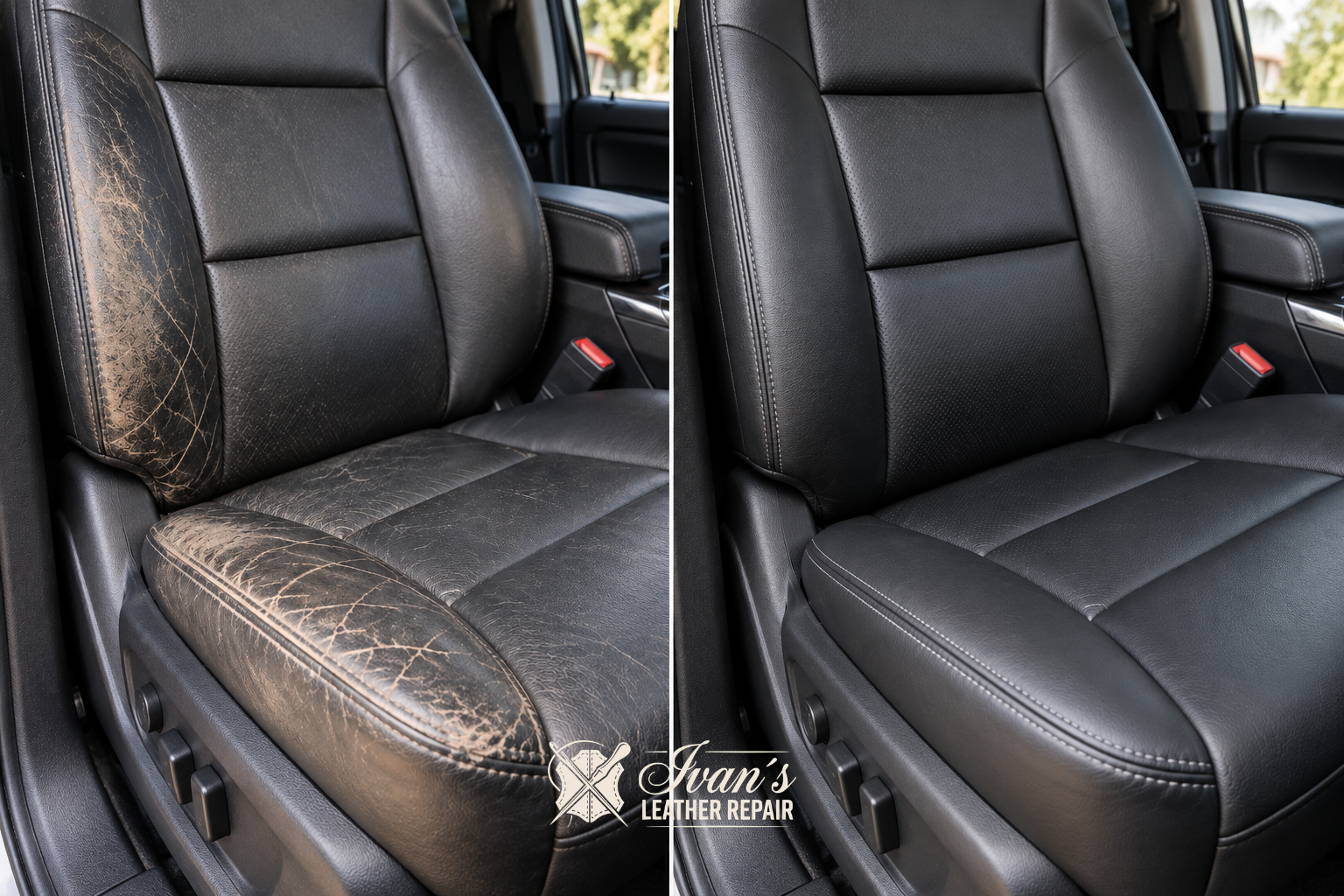
If your car seats are starting to show cracks, fading, or wear, you might think replacement is your only option. But the truth is, a lot of visible damage can actually be repaired, sprucing up your interior without the high cost of a full seat swap. Let's explore what kind of damage you might have, how severe it is, and if a professional repair can keep your seat looking good for years to come.
If you're looking to keep your car's value intact, repairs can often be a smart first step. Services like auto leather repair can tackle common issues like surface cracking, seam wear, color loss, and small tears before they get worse. Often, focused repairs can boost both appearance and comfort, especially if you catch the damage early. Want to know more about why addressing minor damage quickly is a good idea? Check out our guide on why fixing small leather damage quickly is a smart move for more insights.
Leather and vinyl interiors age in predictable ways. Heat, friction, sunlight, body oils, and getting in and out of the car all contribute to wear and tear over time. The good news? Knowing these factors can help you choose the right fix. In this article, you'll learn how to decide whether you need repair or replacement, what professional restoration can do, and how to keep your car's interior looking fresh for longer.
Why Car Seats Crack and Wear Out Over Time
Heat and Sun Exposure Break Down the Finish
One big reason seats crack is because of prolonged exposure to heat and ultraviolet rays. Parking in the sun dries out surfaces, weakens the coating, and makes materials more brittle. Over time, this brittleness leads to cracks, peeling, and even splits in high-contact areas. The National Weather Service often highlights how extreme temperatures can affect vehicle materials, emphasizing the importance of interior protection.
This issue is most common on upper seat bolsters, headrests, and the driver’s seat, as these areas get the most sunlight. Using sunshades, parking in the shade, and conditioning leather can help slow damage, but once cracking starts, repair is usually the best step. For seats that have both faded and cracked from the sun, sun damage leather repair can help restore both color and surface balance.
Friction Creates Noticeable Wear
Daily movement is another major factor. Every time you slide into the driver’s seat, your weight presses against the same edge, flexing the material repeatedly. This repetitive motion wears down the finish and stretches the surface until cracks or thinning appear. If you notice wear on side bolsters or seams, friction is often to blame.
For instance, a ride-share driver spending long hours in and out of the vehicle may see wear faster than a weekend driver. Similarly, families with kids or pets often notice scuffs and scratches on rear seats. In these cases, pet damage leather repair can help address scratches, claw marks, and other localized damage.
Condition, Age, and Maintenance Matter
The age of the material and how it’s cared for also affect how quickly seats wear out. Leather that’s regularly cleaned and conditioned tends to last longer than neglected leather. Vinyl and coated surfaces can also dry out or lose flexibility if they’re not maintained. The U.S. Environmental Protection Agency promotes waste reduction, and extending the life of a seat aligns with that mindset.
Often, a seat that seems too far gone is just showing surface wear. A professional assessment can determine whether the foam, frame, and stitching underneath are still in good shape. If they are, restoration might provide a great cosmetic and functional result without removing the seat from the car.
How to Tell Whether Repair Is Possible
Look for Surface Cracking Versus Structural Issues
Not every crack means you need a new seat. Light surface cracking, color loss, and minor scuffing are often repairable since the damage is limited to the top layer. If the seat still feels comfortable and stable, repair is likely a good option. More serious structural problems, like broken seat frames, need a different approach.
A good rule of thumb: if the damage is localized and the rest of the seat looks good, repair is usually feasible. But if the material is splitting across large sections or the cushioning has collapsed, it might be an upholstery issue. For multiple worn areas, leather chair repair shows how targeted work can make a big difference when the base is sound.
Test Seat Flexibility and Feel
Another sign that repair might work is how the seat feels when pressed gently. If it feels dry, stiff, or rough but is still intact, it might respond well to cleaning, conditioning, and recoloring. But if it flakes apart or exposes the backing material immediately, replacement might be more practical for that section. Professionals often use this evaluation to recommend solutions.
Many drivers are surprised at how much restoration can improve a seat’s appearance without making it look artificially new. The goal isn't always perfection; often, it's about creating a clean, uniform finish that complements the rest of the interior. This is especially helpful for older cars, family vehicles, and luxury models where keeping original components is important.
Check Seam and Foam Damage
Before deciding on repair, inspect the seams, stitching, and padding. Surface damage is usually manageable, but if stitching is coming apart or the foam is broken down, the repair becomes more complex. In those cases, a full or partial upholstery repair might be better than a simple cosmetic fix, but it doesn’t mean the whole seat has to go.
For example, a worn driver’s seat bolster may need only localized reinforcement and refinishing, while the rest of the seat is fine. This is where professional judgment matters. An experienced technician can decide whether a seat should receive cracking leather repair, color correction, or a more involved restoration process based on its actual condition.
What Professional Car Seat Repair Can Fix
Cracks, Scuffs, and Color Loss
Professional repair can tackle many common cosmetic issues in car interiors. Surface cracks can be smoothed, filled, and recolored to blend with the surrounding material. Scuffs and discoloration can also be corrected, especially when the wear hasn’t gone through the covering. The outcome is usually more polished than a DIY patch or temporary cover.
The process often includes cleaning, preparing the surface, repairing the damaged area, applying color-matched coatings, and sealing the finish. Done right, it improves appearance and longevity. If your vehicle has several worn spots, a broader service like classic car interior restoration might be a better fit, especially for older or specialty vehicles needing careful color matching and detail work.
Tears, Burns, and Localized Damage
Small tears and burn marks can often be repaired without replacing the entire seat cover. The key is whether the damage is contained and if enough surrounding material is left for blending. A small cigarette burn, for example, can usually be treated more successfully than a large melted hole. In these cases, burn hole leather repair can help rebuild the area and restore a cleaner finish.
Localized damage is often the best candidate for restoration because the repair can be focused and precise. Instead of replacing a whole seat, technicians work on specific defects, preserving as much of the original material as possible. This saves time, reduces waste, and maintains the factory look of the interior.
Wear on High-Traffic Vehicles and Work Cars
Commercial vehicles, family SUVs, and daily commuter cars all see heavy use. Over time, seats in these vehicles can become shiny, flattened, or cracked long before the rest of the interior looks tired. The same goes for office vehicles, shuttle vans, and service cars that carry passengers daily. Here, practical repair may be the most cost-effective way to keep the interior presentable.
Businesses relying on a polished appearance often benefit from maintaining the seating instead of replacing it. That's why services like commercial leather repair are valuable for fleets, client-facing vehicles, and transportation settings. A clean interior supports professionalism, comfort, and brand image all at once.
When Replacement Makes Sense and When It Doesn't
Replace Only When Damage Is Extensive
Sometimes replacement is the right answer, but it shouldn’t be automatic. If the material is destroyed, the foam has collapsed, or the frame is damaged, a new cover or seat assembly might be necessary. The same goes when previous repairs have failed repeatedly or when damage spreads too widely to blend convincingly.
Even then, replacement might only be needed in part of the seat. Many interiors can be improved through partial upholstery work, restoration, or panel replacement rather than full seat replacement. This can save money and preserve original design details that are hard to match exactly in a new unit.
Consider the Cost of Full Replacement
Full seat replacement can be expensive due to parts, labor, electronics, sensors, heating elements, and matching materials. For newer cars with integrated systems, costs can rise quickly. By contrast, targeted repair usually focuses on visible damage and avoids unnecessary disassembly. Before committing to replacement, compare restoration prices against the cost and disruption of installing a new seat.
Replacement also creates potential fit and finish issues. New materials may not match surrounding seats, and sourcing parts for older vehicles can be tricky. Professional restoration often offers a more seamless result because the original seat stays in place and the repair blends into the existing interior.
Protect Sentimental or Specialty Interiors
Some vehicles have interiors that are meaningful, rare, or difficult to replace. This is common with classic cars, high-trim models, and custom builds. In these cases, preserving the original seat can be as important as improving its look. Careful repair keeps the vehicle authentic while making it more comfortable and attractive to use.
If your car fits this description, restoration is often the way to go. Specialized work like auto leather repair can preserve original material and reduce the risk of replacing unique factory elements that add character or value. For classic interiors, balancing preservation and appearance is crucial.
Why Repair Is Often the Smarter Financial Choice
Lower Upfront Cost and Less Downtime
Repair generally costs less than replacing a whole seat, especially when the damage is limited to one area. It also tends to take less time, meaning you get your vehicle back faster. For busy drivers, that convenience matters. Instead of planning around a major replacement, you can often schedule a focused service that addresses the specific damage.
This is especially helpful for families, commuters, and business owners who rely on their vehicles daily. A few hours of targeted repair can prevent a bigger expense later. If the wear is concentrated on one seat or bolster, repair is often the best value.
Better Long-Term Preservation
Good repair work does more than make a seat look better. It can also slow further deterioration by stabilizing vulnerable areas and restoring a protective surface. Once the finish is weakened, dirt and moisture can penetrate more easily, leading to additional damage. Repair helps reestablish that protective layer and gives the seat a better chance of lasting longer.
If you're curious about the broader value of restoration, our article on bringing leather back to life with color restoration explains how color work and surface correction can transform worn items without replacing them. The same principle applies to car interiors.
Preserve Resale and Trade-In Appeal
Interior condition affects vehicle value. Buyers and appraisers notice cracked seats, worn bolsters, and fading quickly, often using them to justify lower offers. Repairing those areas can improve first impressions and support a stronger resale or trade-in position. Even if you’re not selling soon, maintaining a cleaner interior protects the long-term value of the car.
That’s one reason many owners choose restoration before listing a vehicle for sale. A cleaned-up seat can make the whole cabin feel more cared for, influencing how buyers perceive the rest of the car. It’s a relatively small improvement that often creates a surprisingly large effect.
How the Repair Process Usually Works
Inspection and Surface Preparation
The first step is a close inspection of the damage. A technician identifies whether the issue is cracking, tearing, discoloration, or a combination of problems. Then, the seat is cleaned and prepped so repair materials can bond properly. Proper preparation is essential because even the best materials will fail if applied to a dirty or unstable surface.
During this stage, the technician also determines whether the damage is isolated or a broader area needs attention. This helps shape the repair plan and prevents over-treating parts of the seat that don’t need it. Good preparation repairs look natural rather than patched.
Filling, Blending, and Recoloring
Once the surface is ready, damaged areas are filled or rebuilt as needed. Then, color is matched and applied so the repair blends into the surrounding material. This part of the process requires skill because the finish must look even under different lighting conditions. A repair that looks good in the shop should still look good in bright daylight.
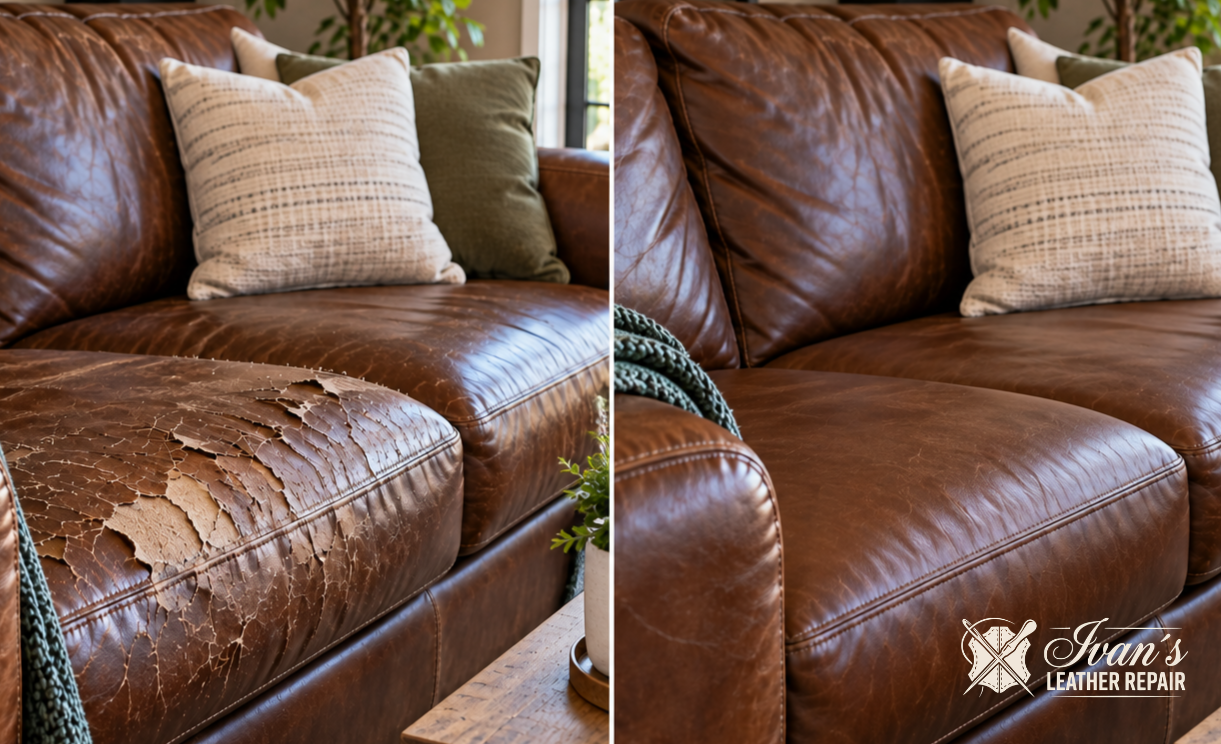
For worn interiors needing stronger color correction, a service like leather sofa & couch repair illustrates the same careful approach used in automotive work: repair the damage, match the finish, and create a consistent result. The principle is identical even though the application is different.
Sealing and Final Protection
After the repair is blended, the surface is sealed to help protect it from future wear. This final step improves durability and gives the seat a finished look. Sealing is especially important on frequently used driver’s seats and high-contact side bolsters. It helps the repair last longer and maintain a consistent sheen.
From a maintenance standpoint, sealing also makes routine cleaning easier. Dust, body oils, and light spills are less likely to penetrate a properly protected surface. That means the repaired area can stay cleaner and more presentable with less effort.
Practical Prevention Tips to Slow Future Wear
Use Sun Protection and Keep Seats Clean
Preventive care is one of the best ways to delay cracking. Use a windshield sunshade, park in shaded areas when possible, and clean seats with products that are appropriate for the material. Harsh cleaners can dry out the finish and make the problem worse, so it pays to use gentle, vehicle-safe products. Less stress on the material means longer life.
Regular cleaning also prevents grime from building up in the grain or seams. Dirt acts like an abrasive over time, increasing wear every time you sit down or adjust your position. Consistent maintenance is simple, but it makes a real difference.
Condition the Material When Appropriate
If your seats are genuine leather, conditioning can help maintain flexibility and reduce dryness. The key is to use the right product and not overdo it. Too much product can create buildup or a slippery surface, while too little leaves the material vulnerable. When in doubt, follow manufacturer guidance or seek professional advice.
It’s also important to distinguish between leather and coated materials. Not every surface should be conditioned the same way. A technician can advise whether your particular interior benefits from conditioning, protective coating, or another type of care. For worn but still salvageable surfaces, a well-maintained seat usually ages far better than one that is ignored.
Address Small Problems Before They Spread
Small scratches, weak seams, and color loss are easiest to fix before they become major defects. If you notice a spot that’s beginning to crack, it’s worth addressing it sooner rather than later. Catching the issue early can mean a simpler, less expensive repair and a better final result.
That’s especially true for seats that already have multiple signs of wear. A small repair today may prevent a larger section from failing tomorrow. If your concern is more about localized wear than total replacement, a service like leather jacket repair reflects the same principle of restoring material before it reaches the point of no return.
Frequently Asked Questions About Cracked Car Seats
Can severely cracked leather be repaired?
In many cases, yes, but the result depends on how deep the cracking goes and whether the damage is limited to the surface. Light to moderate cracking is often repairable with cleaning, filling, recoloring, and sealing. If the material is falling apart or the backing is exposed across a wide area, replacement may be more appropriate for that section.
Will repaired seats match the rest of the interior?
Professionally repaired seats are usually color-matched to blend closely with the surrounding material. Some variation can happen because aged leather and newer repair coatings do not always reflect light exactly the same way. Still, a skilled technician can usually create a finish that looks uniform at normal viewing distance and greatly improves the overall appearance.
How long does car seat repair last?
Longevity depends on the extent of the damage, the quality of the repair, and how the seat is cared for afterward. A well-executed repair on a properly maintained seat can last a long time, especially if you reduce exposure to heat and friction. Ongoing care is just as important as the repair itself.
Is repair worth it on an older car?
Absolutely, especially if the vehicle still runs well and you want to improve comfort or resale value. Older cars often benefit the most from restoration because replacing original interior parts can be difficult and expensive. Repair is often the best way to preserve what still works while making the cabin look cared for again.
Conclusion: Repair First, Replace Only If Necessary
Cracked or worn car seats do not always need to be replaced. In many cases, the damage is limited enough that skilled repair can restore appearance, protect the material, and extend the life of the seat. From sun fading and daily friction to tears, burns, and edge wear, the right restoration approach can solve many common problems more efficiently than a full replacement.
If your interior is showing age, start with an honest assessment of the damage. When the frame is sound and the wear is mostly cosmetic, repair is often the smartest option. It saves money, preserves original materials, and helps your vehicle look more refined without unnecessary replacement.
If you are ready to explore your options, Ivan’s Mobile Leather Repair can help you determine whether your seats are a good candidate for restoration. For professional guidance, service details, or to discuss your interior’s condition, visit our website or call (347) 207-3031. You can also review our residential leather repair and restaurant booth repair pages to see how the same restoration principles apply across different types of leather seating.
Call today to find out whether your cracked or worn car seats can be repaired instead of replaced.