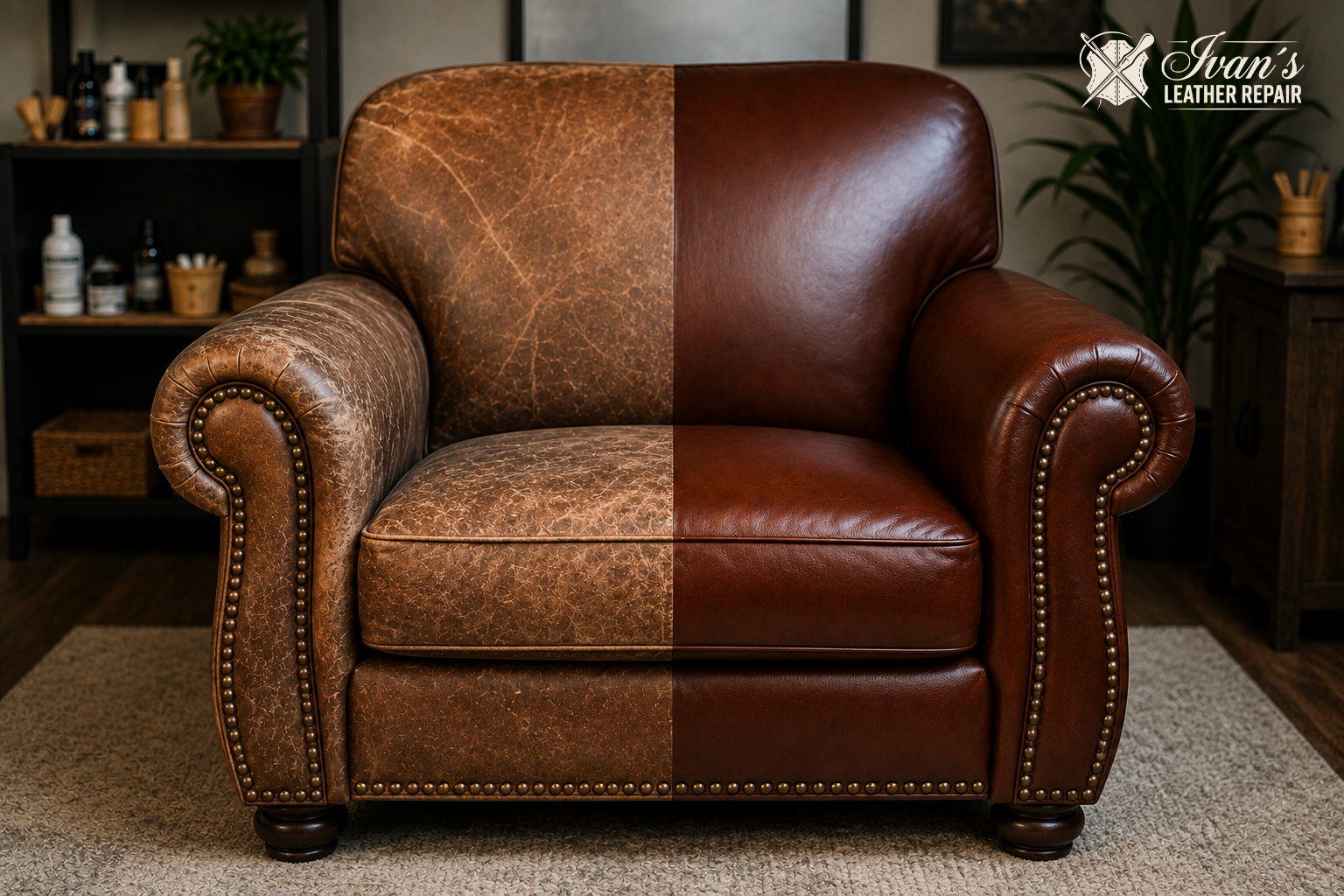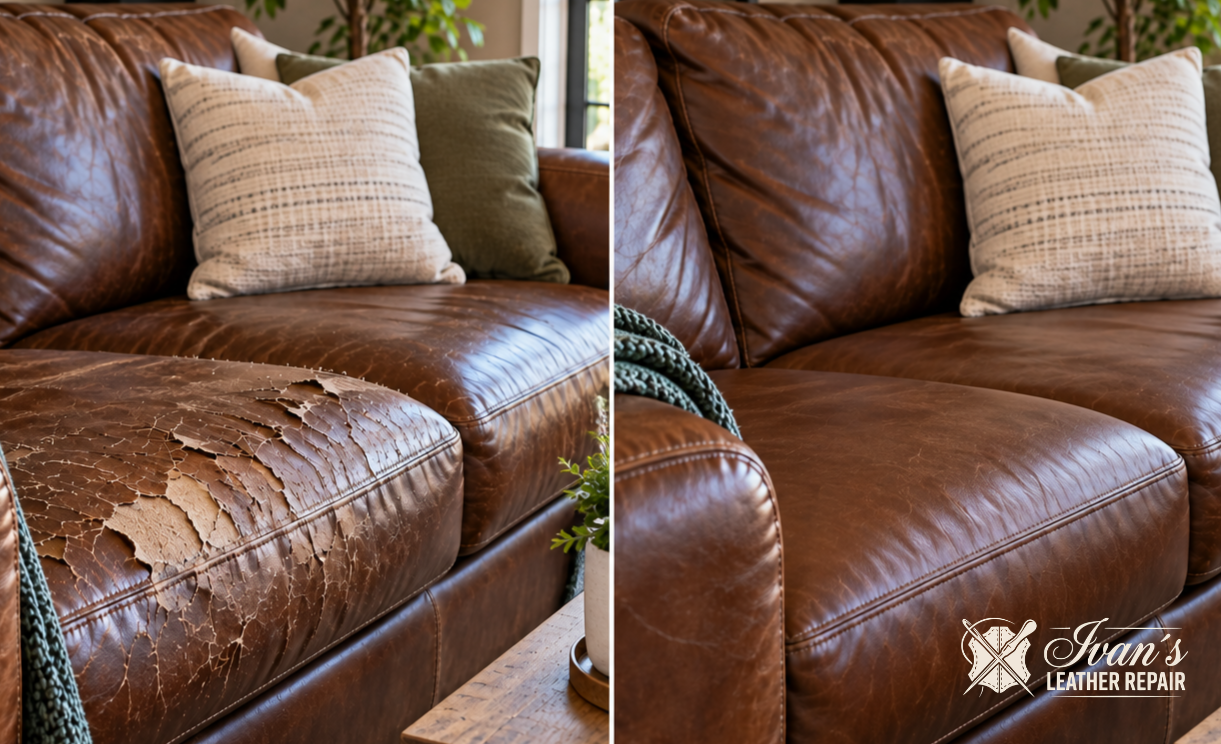
Professional Guide to Fixing a Peeling Leather Couch: Repair, Restore, or Replace?
Dealing with a peeling leather couch can be a real downer, especially when it’s still comfy and fits your space perfectly. The good news? Peeling doesn’t always mean it’s time to toss it out. Often, you can repair or disguise the damage enough to keep it around for years. Let’s dive into what causes that annoying peeling, how to fix it, and when you might want to start fresh.
For many, deciding whether to fix or replace a couch is as much about feelings as it is about practicality. After all, your couch isn’t just furniture; it’s where you unwind, entertain, and maybe even nap. If your leather couch is showing signs of wear and you’re on the fence about what to do, services like leather sofa and couch repair and residential leather repair can offer a hands-on assessment. This guide also leans on tips from trustworthy sources like the Federal Trade Commission for savvy consumer choices and the National Park Service for general leather care advice.
Why Does Leather Peel Anyway?
Bonded Leather vs. Genuine Leather
Not all leather is created equal, which might surprise some folks. Bonded leather, for instance, is made from leather scraps mixed with polyurethane or latex, and it can peel over time, especially in spots that get a lot of use, like seat cushions and armrests. Genuine top-grain or full-grain leather tends to dry, fade, or crack before it peels.
Knowing what kind of leather you’re dealing with is key because it affects your options. Bonded leather can look better with a surface repair, but the material underneath might still break down. Genuine leather, on the other hand, might have issues that are easier to manage. That’s why inspecting your couch before splurging on DIY fixes or replacements is so important.
Sun, Heat, and Low Humidity
The environment takes a toll on leather, too. Direct sunlight, dry air, and heat can dry out the finish and weaken the surface. Consumer Reports stresses that how long your furniture lasts depends on the environment and how you maintain it.
If your couch is near a window or radiator, you might notice damage quicker on one side. Fading often happens before peeling does, and the surface might feel dry or stiff. In these cases, preventing future damage is just as important as fixing what’s already there.
Cleaning Mishaps and Chemical Damage
Using harsh cleaners can make peeling worse. Many people accidentally use bleach, alcohol-heavy sprays, or too much water on leather surfaces. These can strip protective coatings and dry out the leather. Even seemingly harmless products can cause long-term damage if used too often.
For routine care, stick to gentle, consistent cleaning. If you’re not sure what to use, test any cleaner in a hidden spot first or consult a pro. For more serious issues, a service like sun damage leather repair might help, especially if environmental factors have caused the damage.
Can You Fix a Peeling Leather Couch?
When Repair Makes Sense
Absolutely, you can often repair a peeling leather couch, depending on the damage and how the couch is built. Smaller peeling areas can be stabilized, filled, recolored, and sealed. Bigger problems might need more extensive surface restoration.
Repairs work best when the couch’s frame, padding, and structure are still in good shape. If the seating is still comfortable and only the surface is damaged, fixing it can be cheaper than buying a new couch. You might be surprised how much life you can squeeze out of the old couch once you restore the top layer.
What a Pro Can Do
Professional leather repair involves more than just patching. A skilled technician will clean the surface, remove loose material, prep the finish, apply a filler or coating, match the color, and seal the area for durability. The goal is to repair look natural and feels consistent with the rest of the couch.
For instance, a couch with peeling only on one cushion might respond well to spot repair. But if there’s widespread damage, it might need broader refinishing. If the damage includes tears or scratches, services like cracking leather repair or pet damage leather repair might be useful since the visible problem often includes more than one type of deterioration.
Limits of Repair
Repair has its limits. If the leather is badly deteriorated, flaking over large areas, or separating from the backing, repair might only offer a temporary fix. This is especially true with low-quality materials or furniture that’s been neglected.
Another challenge is matching colors. Even skilled technicians might not achieve a factory-new look if the original finish has aged unevenly. Still, many find a good repair worthwhile when the alternative is a costly full replacement.
How Pros Check Out Peeling Leather Furniture
Inspecting the Surface and Material
The first step in evaluating a couch is identifying the material. Is it genuine leather, corrected-grain leather, bonded leather, or synthetic upholstery? Knowing this shapes the repair strategy. A technician also checks if the peeling is limited to a few spots or spread out.
They’ll also look at the rest of the couch. If the foam is collapsing or the frame is unstable, leather restoration alone won’t cut it. A good repair plan considers comfort, function, and appearance. That’s why many people ask for advice on both the leather damage and the overall condition before making a decision.
Testing the Finish and Strength
Pros also check if the finish is separating due to surface wear or if the hide beneath has weakened. They might test small areas and inspect seams to see if the damaged finish flakes away cleanly or reveals deeper issues. This helps determine if the problem is just cosmetic or structural, too.
If the leather underneath is still strong, a restoration plan is more likely to succeed. If not, a full replacement or partial reupholstery might be the better bet. For valuable or sentimental pieces, a detailed evaluation can prevent unnecessary spending.
Choosing the Right Repair Method
Different levels of damage need different treatments. Small flakes might be handled with touch-up work, while larger sections might need a full recolor and protective topcoat. If there are burns, the process is more complex and might need specialized methods like burn hole leather repair.
That’s why professional advice is better than guessing based on online videos. A method that works on a small scuff might fail on a peeling armrest. A trained repair specialist knows where a repair will last and where a replacement might be smarter.
Signs Your Couch Is Worth Repairing
The Frame and Cushions Are Still Good
If your couch is comfortable and supportive, the leather surface might be the only issue. In that case, repair often makes sense. A strong frame and good cushions mean you’re just fixing the outer layer, not rebuilding the whole couch. That makes restoration practical and cost-effective.
Many people opt for repair when the couch fits their space, matches their decor, or is from a quality brand. If the piece is functional and the peeling is mainly cosmetic, it’s usually worth looking into restoration. Services like leather chair repair work on the same idea: keep what works, fix what’s worn.
The Damage Isn’t Widespread
Localized damage is a strong sign repair is worthwhile. A peeling arm, seat edge, or single cushion can often be treated without redoing the whole couch. The more confined the damage, the easier it is to blend the repair with the surrounding leather.
This kind of repair is appealing when the couch is otherwise high quality. For instance, a premium sofa with peeling only on the headrest might be a strong candidate for restoration. Acting early can prevent damage from spreading and making the repair costlier later.
The Couch Has Sentimental or Design Value
Sometimes the decision isn’t just about the money. A couch might have been bought for a first home, inherited from family, or chosen to match a design theme. In those cases, even moderate damage can feel worth repairing because the piece means more than its resale value.
For families with pets, kids, or busy households, wear is part of life. The goal isn’t perfection but practical renewal. If the couch still fits your lifestyle and you like its look and feel, repairing it might be the best way to keep enjoying it.
When It Makes More Sense to Replace
Peeling Is All Over
If peeling is widespread, the cost of repair might get close to the cost of a new couch. Large areas of finish failure often mean you’ll need future repairs, especially if the material is low quality. In that case, a new couch might offer better long-term value.
Widespread peeling also makes it hard to blend repairs. Even if one section looks better, the difference between repaired and unrepaired areas might be obvious. If you’re aiming for a polished look, a new piece might serve you better.
The Couch Is Falling Apart
A peeling couch with sagging cushions or a broken frame isn’t a great repair candidate. If comfort is gone, the leather is just part of the problem. In these cases, replacement or full refurbishment is usually the better investment since you’re not just fixing the surface.
Commercial spaces often face this with heavily used seating. Restaurant booths, lobby chairs, and office seating can wear down both visually and structurally. For business settings, replacement might be the right move if wear affects customer experience. Services like commercial leather repair can help decide if a piece is worth saving.
The Material Is Low-Grade or Failing Again
Some couches are built with materials that don’t age well. If the leather is bonded or similarly low-quality, peeling might return even after repair. That doesn’t mean repair is impossible, but it does mean you should weigh the job’s value carefully.
For a couch already several years into finish failure, replacement can sometimes save money over the long run. You avoid repeated touch-ups and invest in a piece that better matches your needs. The right choice depends on whether you want a quick fix or a long-term solution.
How to Slow Down More Peeling
Gentle Cleaning and Conditioning
Once a leather couch starts peeling, maintenance matters even more. Gentle cleaning with leather-safe products can help prevent further finish separation. Light conditioning can keep the surface flexible, but it won't reverse major damage.
Don’t overdo conditioning, especially on coated leather. Too much product can attract dirt or leave residue. The goal is to support the material without saturating it. For more serious damage, looking at auto leather repair techniques can be helpful since they focus on durability and protection.
Control Sunlight and Climate
Keep your couch out of direct sun and away from heaters or vents. Use curtains, blinds, or strategic furniture placement to reduce exposure. Leather lasts longer in stable environments with moderate temperature and humidity.
Climate control is one of the simplest ways to slow deterioration. Dry winter air and harsh sun are especially tough on finishes. Small room adjustments can make a big difference, especially if you've repaired a peeling section and want to keep it intact.
Fix Small Damage Fast
The best time to fix leather damage is before it spreads. A small peel can often be stabilized before it becomes a large, flaking patch. Once a coating starts separating, it can continue to lift if left exposed to friction or cleaning.
Quick action is crucial. If you notice new damage around seams or high-contact areas, it’s usually better to address it quickly. Early attention preserves more of the original material and reduces future repair scope.
What the Repair Process Usually Looks Like
Cleaning and Surface Prep
The repair process usually starts with deep but gentle cleaning. Loose materials, oils, and dust must be removed for the new finish to bond properly. If this step is rushed, the repair might fail or look uneven.
Preparation includes trimming lifted edges and stabilizing weak areas. This is where experienced technicians shine. Good prep work isn’t glamorous, but it’s often why a repair blends well and lasts longer than a quick DIY patch.
Filling, Recoloring, and Sealing
After prep, the damaged area is filled or smoothed, then recolored to match the surrounding leather. Technicians often build the color in layers since leather reflects light differently based on age and finish. Once the color matches, a protective sealant locks in the result.
The goal is to make the repaired area feel consistent and less noticeable. The aim isn’t a fake-perfect surface but making the damage less visible while restoring function. On furniture with multiple issues, services like antique furniture restoration offer guidance on visual matching that protects value.
Final Check and Care Tips
A quality repair should end with a final review and practical maintenance tips. This includes knowing what to avoid initially, which cleaners are safe, and how to protect the new finish. Good aftercare can extend the repair's life greatly.
If a pro gives you a maintenance plan, follow it closely. The repair is only part of the solution; ongoing care helps keep the couch in shape. This is especially true for families or businesses with frequent use.
FAQs About Peeling Leather Couches
Is Peeling Leather the Same as Cracked Leather?
Not exactly. Cracked leather shows splits or breaks in the surface, while peeling leather involves the top layer flaking away. Some couches show both problems, especially if they’ve suffered from age or poor care.
Since these issues can overlap, a pro might suggest combined treatment. If you notice both, a service like cracking leather repair might be part of a broader plan.
Can I Use a Store Repair Kit?
Sometimes a basic kit can help with very minor issues, but results vary. Most store kits are for small cosmetic touch-ups and might not work well on heavily peeling or brittle leather. If the problem’s bigger than a coin, the repair might not hold.
DIY kits are best seen as temporary fixes, not guaranteed solutions. They can buy you time before a professional assessment but are rarely the best choice for valuable couches or widespread damage.
How Do I Know If My Couch Is Bonded Leather?
Bonded leather often peels in sheets or flakes uniformly, unlike genuine leather. The exposed backing might look fabric-like or fiber-based. A pro can usually identify it quickly during an inspection.
If you’re unsure, don’t assume the couch is beyond hope. Even bonded material can improve if the damage is mostly surface-level and the structure’s sound. The key is deciding if repair can offer enough improvement to be worth it.
Conclusion: Repair or Replace?
A peeling leather couch isn’t automatically trash. Often, if the damage is localized and the couch is still comfy, repair is worth considering. A skilled restoration can improve looks, extend life, and save money compared to immediate replacement. The decision is less about whether peeling can be fixed and more about whether the couch’s quality justifies the work.
If the frame’s solid, the cushions are good, and the leather’s just moderately damaged, repair is usually your best first step. But if the peeling’s widespread, the material’s low-grade, or the structure’s failing, replacement might be smarter. The best move is to get an honest evaluation before deciding. For those in Brooklyn seeking guidance, Ivan's Mobile Leather Repair can help you weigh your options and choose the best path for your furniture.
If you’re ready to take the next step, start with a professional assessment to see if your piece is a candidate for leather sofa and couch repair, specialized restoration, or full replacement planning. A careful choice now can protect your budget and keep your space cozy.