Breathe New Life into Your Leather Seats in Brooklyn, NY
Has your leather seating seen better days? If it's starting to crack or fade, you might think it's time for a whole new set. But before you rush to replace, consider that professional restoration can work wonders. Not only does it cost less, but it can also bring back the comfort and look you love.
In this guide, we'll dive into how leather restoration works, what types of damage can be fixed, and when it makes more sense to repair than to replace. We’ll also share tips on how to care for your leather, common pitfalls to avoid, and how services like cracking leather repair and auto leather repair can rejuvenate leather in your home, car, or business. For more on leather properties and care, check out the Wikipedia page on leather.
Why Do Leather Seats Wear Out?
Everyday Use Takes a Toll
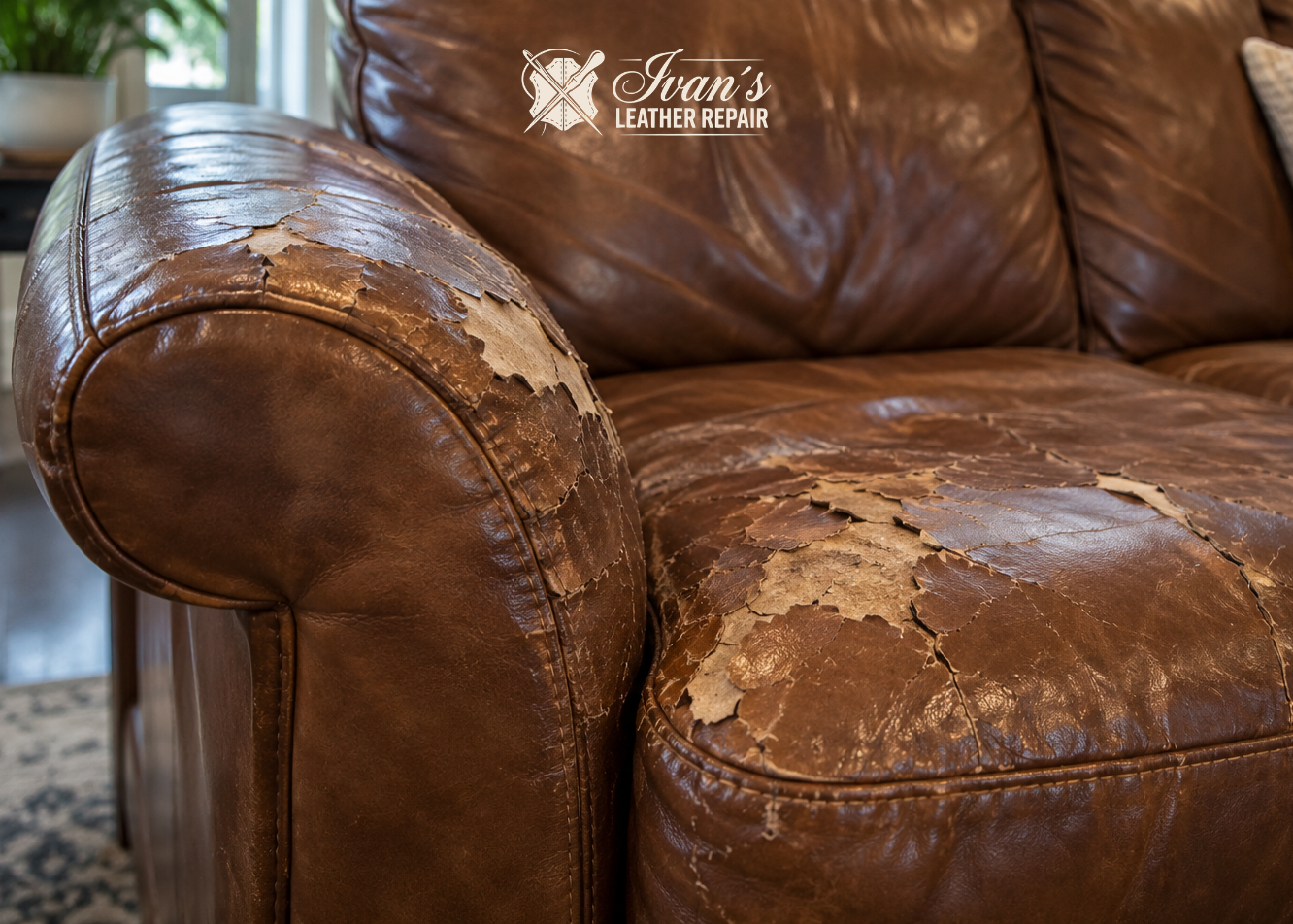
Leather seats endure a lot from friction and pressure to body oils and sunlight. Over time, these stresses can lead to drying and cracking. This is especially true for high-contact areas like seat cushions, armrests, and driver-side seating.
Once the leather's finish starts to break down, the damage can spread faster than you'd expect. Addressing issues early can prevent small cracks from turning into bigger problems. A seat that looks a bit worn today might still be fixable if you act quickly.
Environmental Factors Speed Up Wear
The sun is one of leather's biggest enemies. UV rays can dry out and fade leather, weakening its finish. Heat can also make leather brittle over time. This kind of damage often appears on seats exposed to direct light, making sun damage repair a frequent necessity.
Even indoor furniture isn't immune. A leather sofa near a window can fade or dry out unevenly. The EPA’s sun safety resources offer guidance on protecting materials from UV exposure.
Skipping Conditioning Worsens Wear
Leather might be tough, but it still needs care. Without regular cleaning and conditioning, dirt can settle into the grain, and the finish can lose flexibility. This makes it easier for cracks to form when you sit or move.
Regular maintenance can often make the difference between leather that’s repairable and leather that’s not. A seat that's been well cared for usually responds better to restoration than one that's been neglected.
What Can Professional Leather Restoration Fix?
Cracks and Dryness
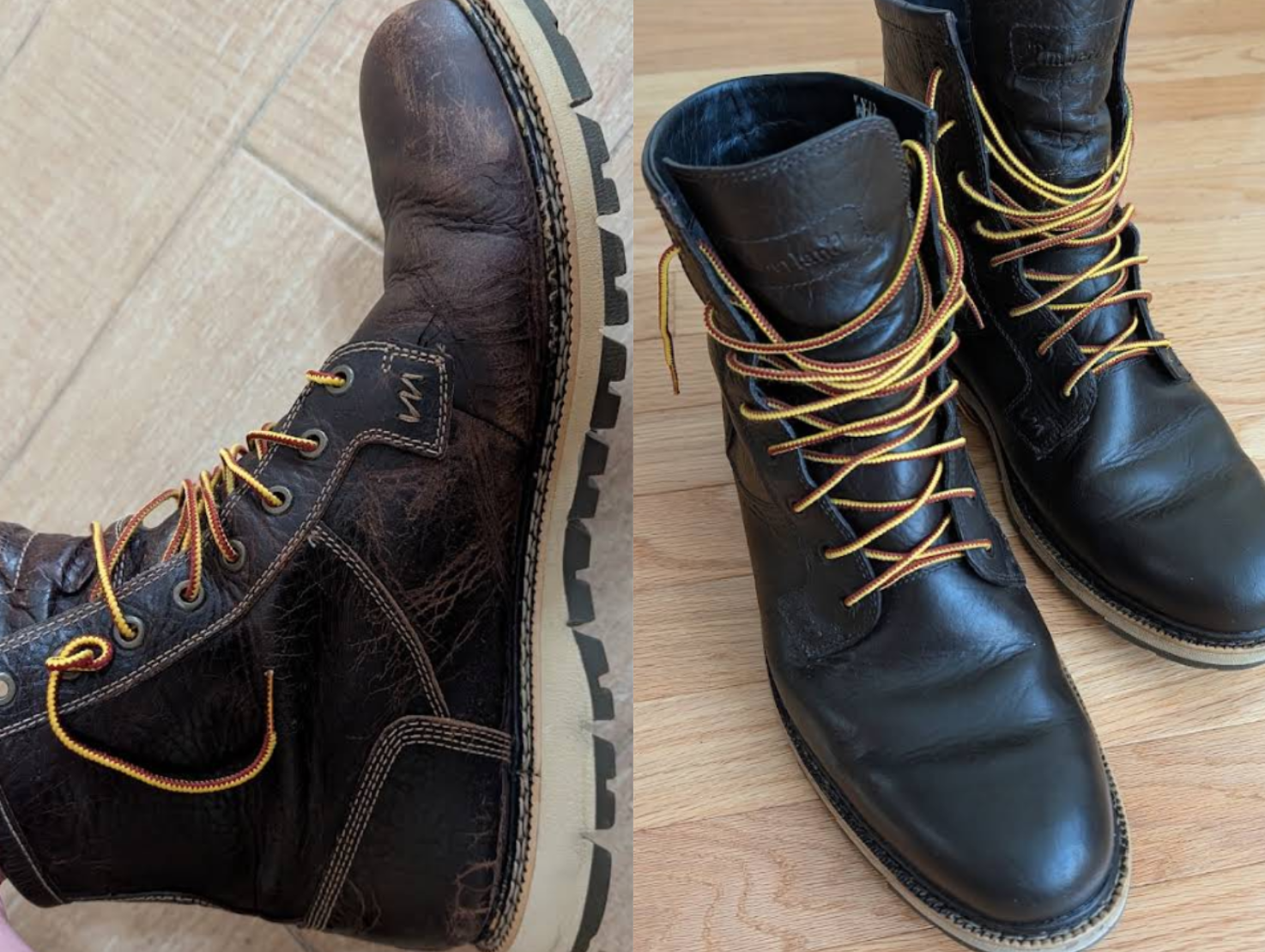
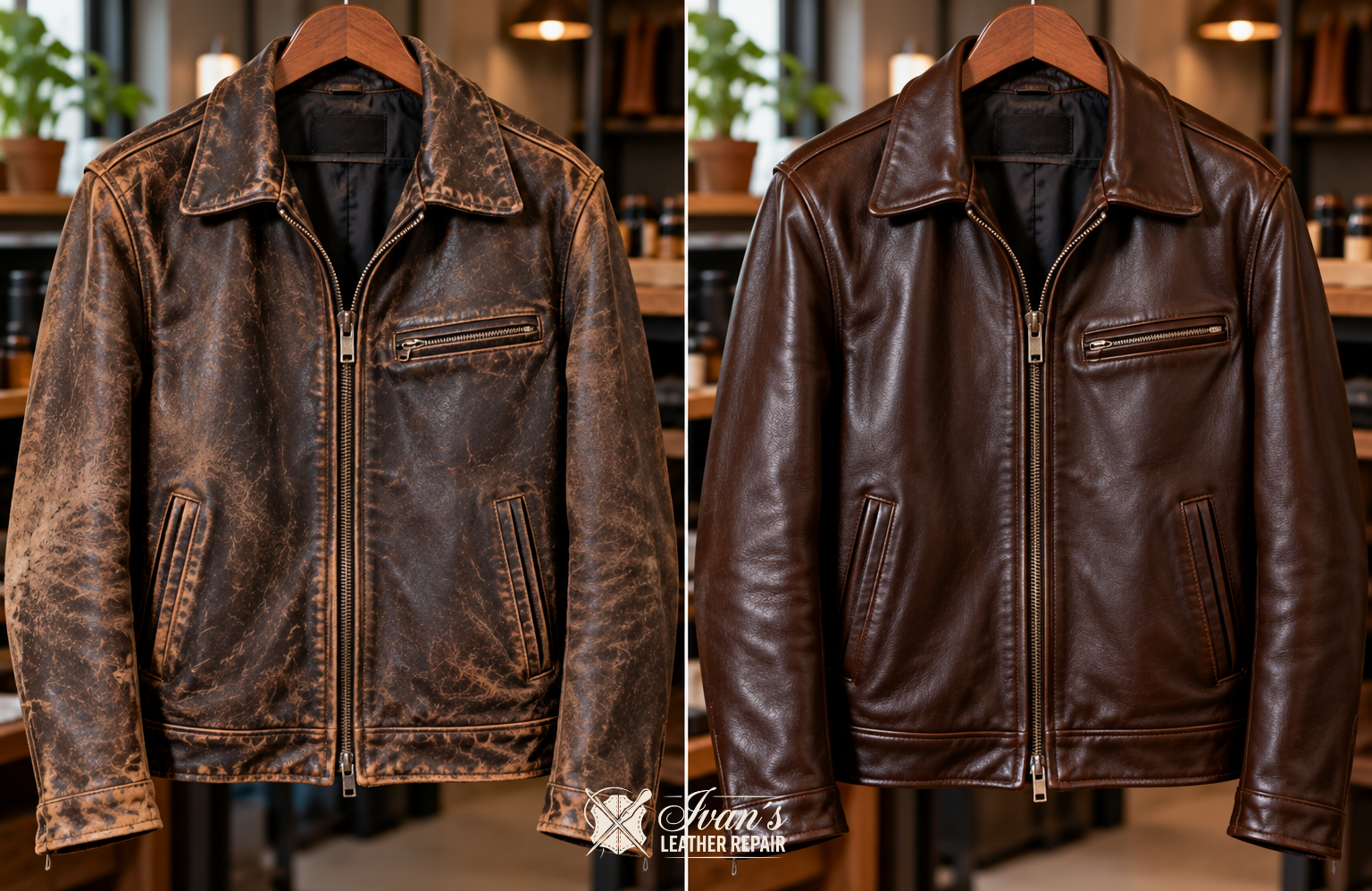
Cracked leather is a common issue that can usually be fixed, as long as the leather still has some structure. Professionals can clean the area, stabilize any loose edges, fill shallow cracks, and blend the finish to improve appearance and prevent further damage.
For worn-out leather that’s still comfortable, a good restoration can include surface rejuvenation and a protective coating. If your sofa or chair looks tired, leather sofa repair or leather chair repair can bring it back to life without needing a full replacement.
Scuffs, Scratches, and Color Loss
Small scuffs and scratches can often be smoothed out, with color and finish restored to match the rest of the seat. This is helpful for areas where the finish has worn off, making the seat look old. Many are surprised by how much can be restored with the right color matching.
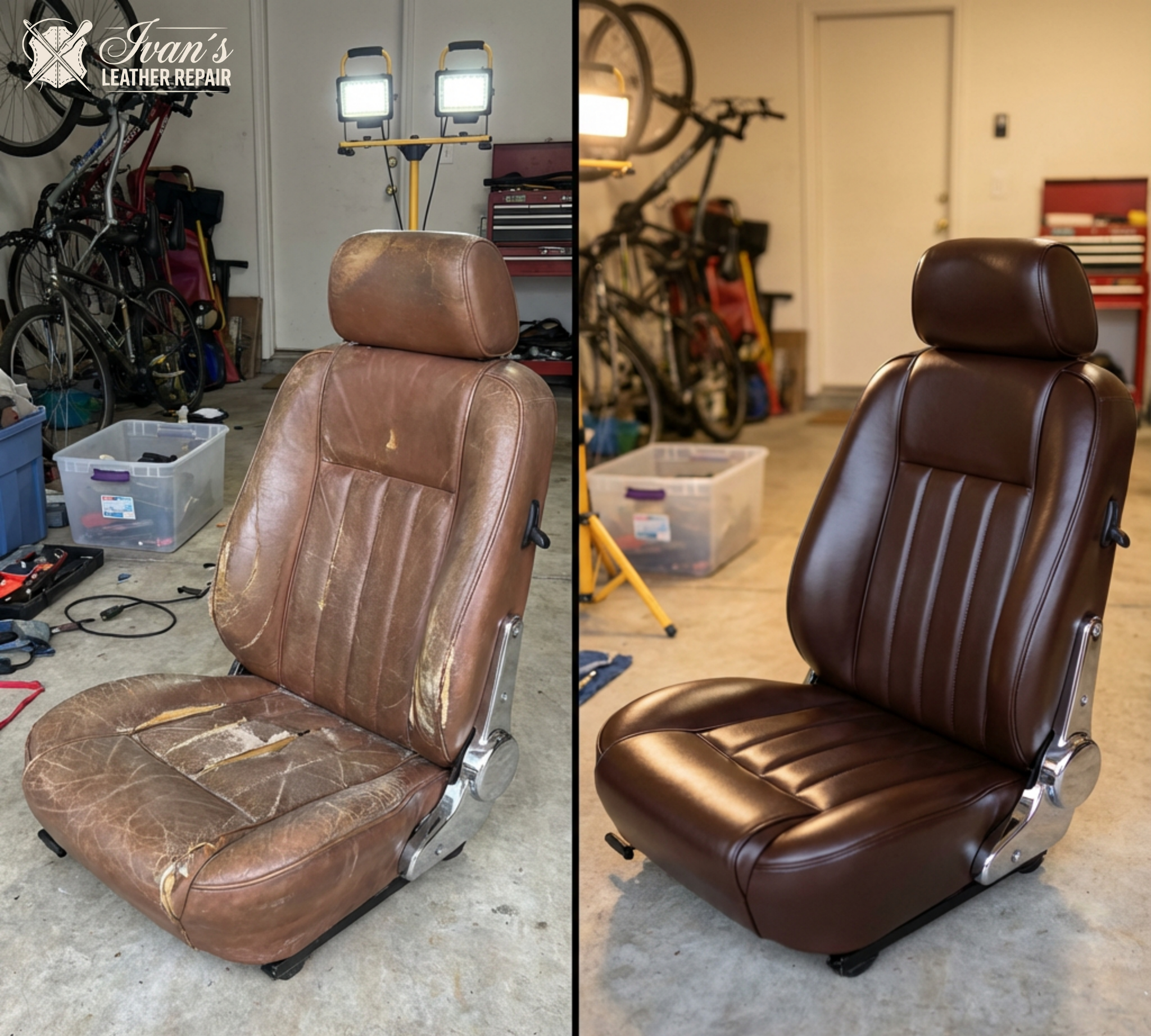
Color loss is common in both furniture and vehicles. For instance, the driver’s seat in a car can wear from frequent use. Restoration can include custom tinting to ensure the color blends seamlessly rather than looking patched.
Tears and Holes
Not every tear means you need a new seat. If the structure underneath is still intact, professionals can patch and reinforce the area. For more severe damage, services like burn hole repair and pet damage repair can help make the damage less noticeable and prevent further problems.
The Leather Restoration Process
Inspection and Assessment
Every good repair starts with a detailed inspection to determine what type of leather you're dealing with and how deep the damage goes. This helps set realistic expectations about what can be fixed and how long the repair will last with proper care.
Cleaning and Preparation
The seat needs a thorough cleaning before repair materials are applied. Dirt and old conditioners can interfere with adhesion, so professionals use high-quality cleaners to ensure the surface is ready. This prep work is crucial for a successful repair.
Repair and Finishing
Once prepped, the repair begins. This might include filling cracks, matching colors, and applying a protective finish. The aim is to restore the seat’s look and feel as closely as possible to its original state.
When It's Better to Repair than Replace
Good Structure Is Key
Seats that are only worn on the surface but still have good internal structure are great candidates for repair. Why replace everything if the core is still solid? Restoration can save money and keep materials out of the landfill.
Sentimental or Unique Pieces
Some items just fit a space perfectly or hold sentimental value. Whether it's a beloved recliner or a classic car interior, keeping the original look with a restoration can be more rewarding than starting fresh.
Cost and Convenience
Repair is often cheaper and faster than replacement, minimizing disruptions. Plus, it’s a sustainable choice that reduces waste. The Department of Energy highlights how extending product life can help reduce waste.
Real-Life Leather Restoration Examples
Living Room Furniture
A living room sofa can go from chic to shabby with time. Cracks in cushions and fading arms make the room feel outdated. Restoration can align your furniture with the rest of your décor, offering comfort and style.
Car Interiors
Car seats endure a lot. The driver’s seat, in particular, suffers from heat, friction, and constant use. Restoration can fix visible damage and maintain comfort.
Commercial Spaces
For businesses, worn seating can turn off customers. Keeping a clean, welcoming appearance is crucial. Scheduled repairs can help maintain a polished look, which is vital for customer perception. Consider restaurant booth repair for a quick image boost.
Caring for Leather After Restoration
Gentle Cleaning
After restoration, treat the leather gently. Avoid harsh cleaners and use a soft cloth with a leather-safe cleaner. This helps prevent damage and extends the life of your repair.
Careful Conditioning
Conditioning keeps leather flexible, but don't overdo it. Too much product can leave a sticky residue. A light application based on usage and climate is usually enough.
Prevent Future Damage
Address the original damage causes to prevent recurrence. This might mean adding window shades or adjusting seating. For repeated issues, combine repair services with better prevention habits.
FAQs About Leather Seat Repair
Can Cracked Leather Be Fixed?
Yes, cracks can often be repaired if the leather is still strong enough. Proper cleaning, filling, and protective coating can make a big difference.
Will the Repair Be Noticeable?
A good repair should blend in well, though some signs of wear may remain. The goal is a significant improvement that looks consistent from a normal viewing distance.
How Long Does Restoration Last?
With proper care, a repair can last for years. High-traffic areas might need future touch-ups, but it's usually cheaper than replacing the whole seat.
What About Severe Damage?
Even serious tears or burns can often be repaired with specialized methods. Services like burn hole repair are designed for such issues.
Why Opt for Professional Restoration?
Better Than DIY Fixes
DIY kits can offer short-term fixes, but professional restoration ensures durability and a better match in color and texture.
Preserve Your Property’s Value
Well-maintained leather adds to the value and appeal of your home or vehicle. A professional restoration can elevate the whole space's look.
Reach out to Ivan’s Mobile Leather Repair for expert guidance and a custom restoration plan. Timely repair can help keep your leather looking and feeling great.
Ready to Restore Your Leather? Contact us at repairleathernyc.com or call (347) 207-3031 to discuss your needs with a local expert.