Why Worn Leather Doesn’t Need to Be Replaced
Leather is one of those materials that just gets better with age. It’s tough, comfy, and has a distinct look that only deepens over time. That aging process is exactly why so many people love it for their furniture, clothes, and car interiors. If your leather sofa, jacket, or car seat is starting to look a bit tired, you might think it’s time to toss it. But hang on—there’s a lot that can be done to bring it back to life.
Often, worn leather can be cleaned, conditioned, recolored, and repaired to keep serving you for years. If you want to dive deeper into the repair options, check out our residential leather repair and leather sofa and couch repair services. Understanding what leather wear really means and when professional restoration is a smart choice can save you from getting rid of a favorite item too soon.
This guide will walk you through why worn leather is usually salvageable, what trends say about repair and sustainability, and how to keep your leather goods in top shape. Let’s see why more people in Brooklyn and beyond are opting to fix rather than replace, blending practicality with eco-consciousness.
Understanding Leather Aging
Patina vs. Damage
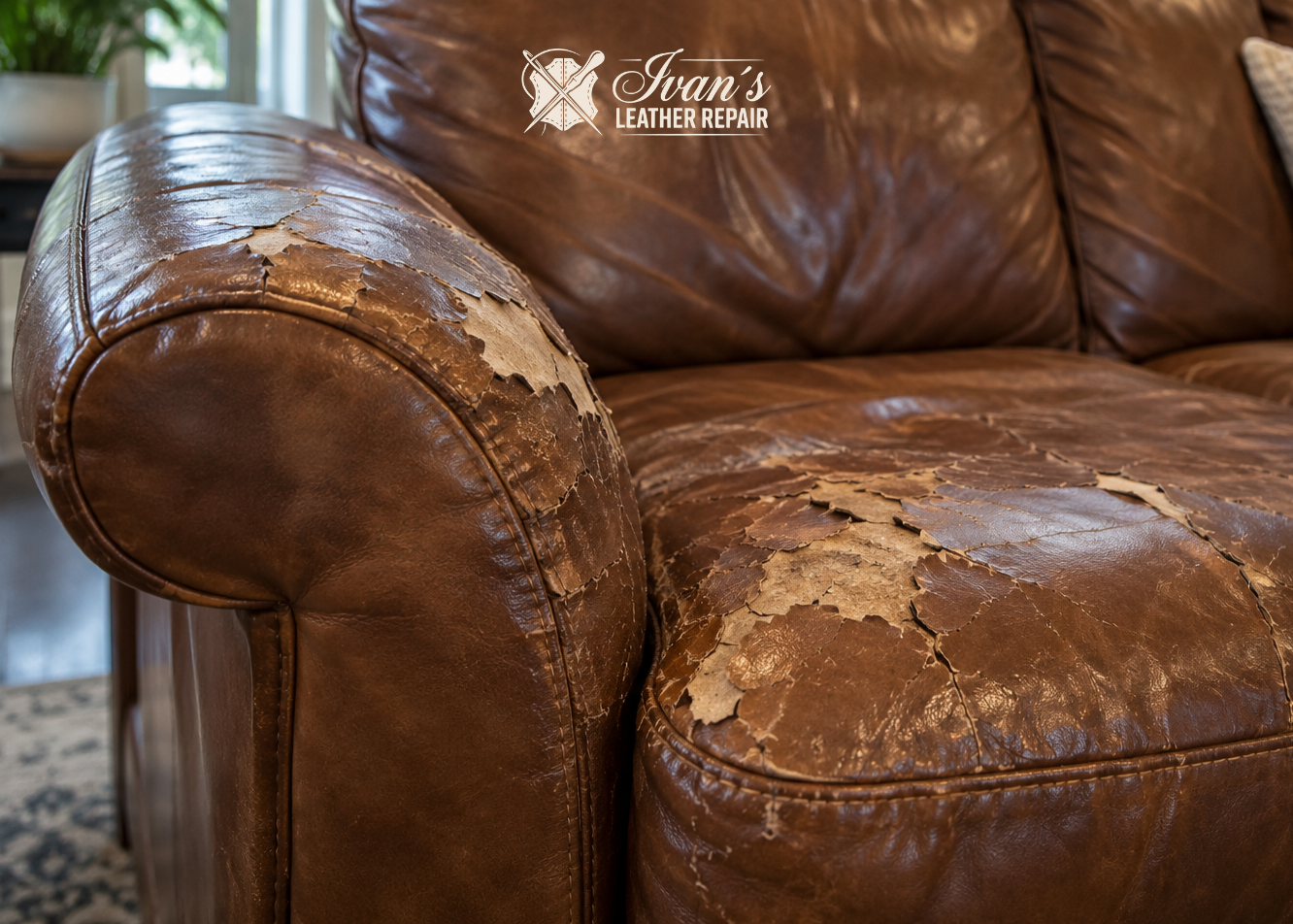
Patina is a term that gets thrown around a lot when talking about leather. It’s that soft sheen and color variation that develops over time, adding charm rather than indicating damage. On good leather, patina can make a piece look even better. But remember, patina isn’t the same as damage. A bit of surface dullness and slight creasing are normal, but deep cracks and tears are signs that repairs are needed. Fortunately, even serious-looking problems can often be fixed with the right techniques. For more on common repair scenarios, see this leather repair overview.
Healthy Wear vs. Structural Issues
Normal wear might show as minor scuffs or softened texture in high-use areas like armrests or bag handles. These signs mean your leather is loved but still holding up. Structural issues are more serious—think cracked finishes or tears that spread. If your leather is still flexible and the structure is sound, repairs are usually an option. If it feels brittle or has multiple breaks, a pro might suggest limited restoration or partial replacement. A professional inspection can help you decide.
Why Repair is Gaining Popularity
Sustainability Drives the Trend
Sustainability is a big deal in the leather world these days. More brands are exploring alternatives like mushroom and apple leather, reflecting a shift to eco-friendly production. Consumers are also getting choosier, wanting items that last instead of quick replacements. Repair fits right into this mindset, helping you keep leather goods around longer and reduce waste. For a look at industry trends, check out this 2026 analysis from Selvane.
Preserving Value and Sentiment
Leather items can be pricey, but their worth isn’t just about money. A sofa might hold family memories, a jacket personal style, and a car interior emotional significance. Replacing these can mean losing a cherished part of life. Repair lets you keep that value. Skilled technicians can make worn surfaces look new while keeping the original piece intact, especially important for vintage and custom items.
When Leather Repair Makes Sense
Common Fixable Problems
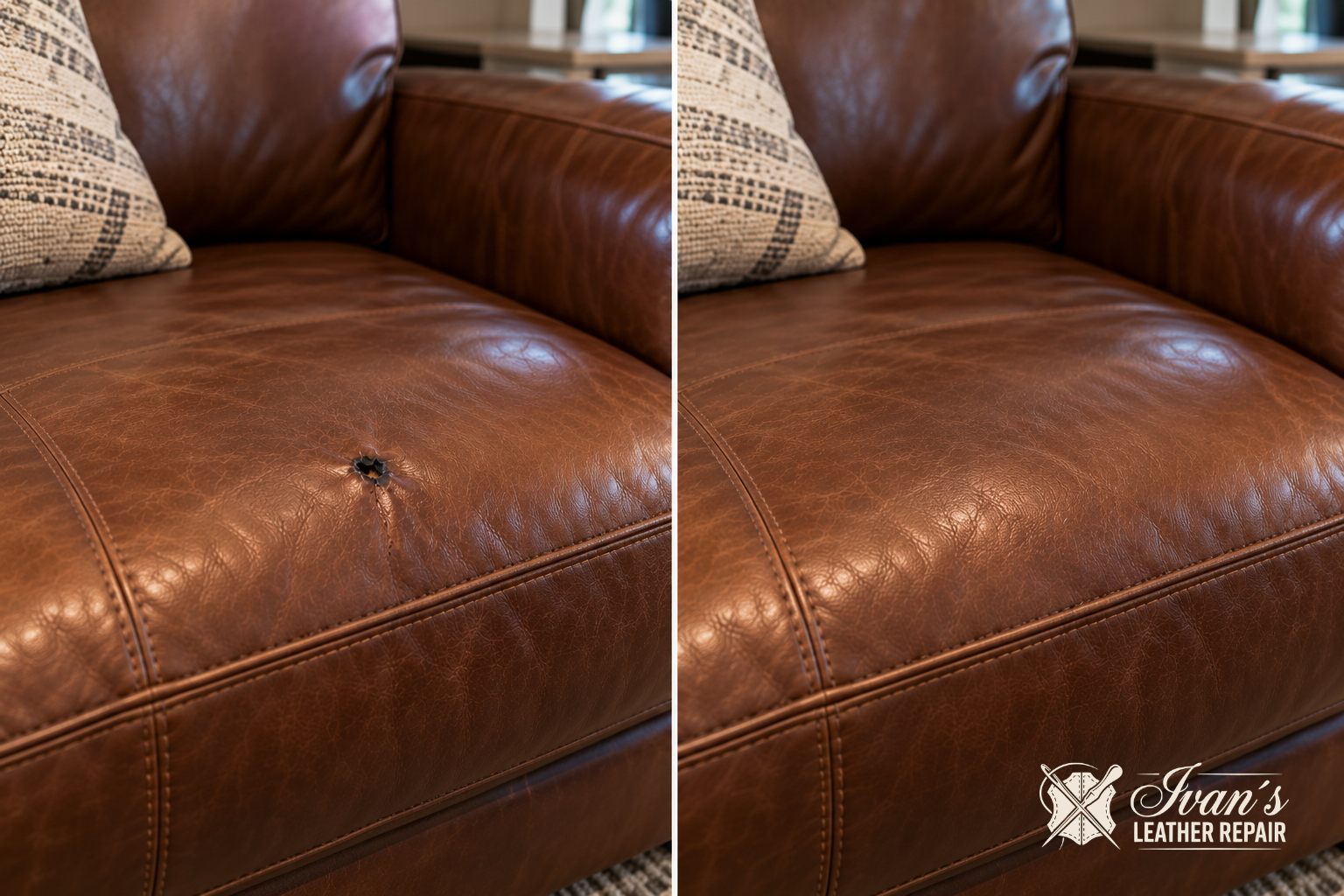
Many leather issues aren’t as bad as they seem. Surface scratches, fading, and small punctures can often be tackled with professional methods. Even more noticeable damage like burns or pet scratches can be fixed if caught early. If you’re facing these issues, our pet damage leather repair, burn hole leather repair, and cracking leather repair services can help.
Repair is a great option when the structure is sound, but the surface looks worn, which is common in well-used sofas, cars, and jackets. A restoration plan can boost both appearance and durability.
When Replacement Isn’t Practical
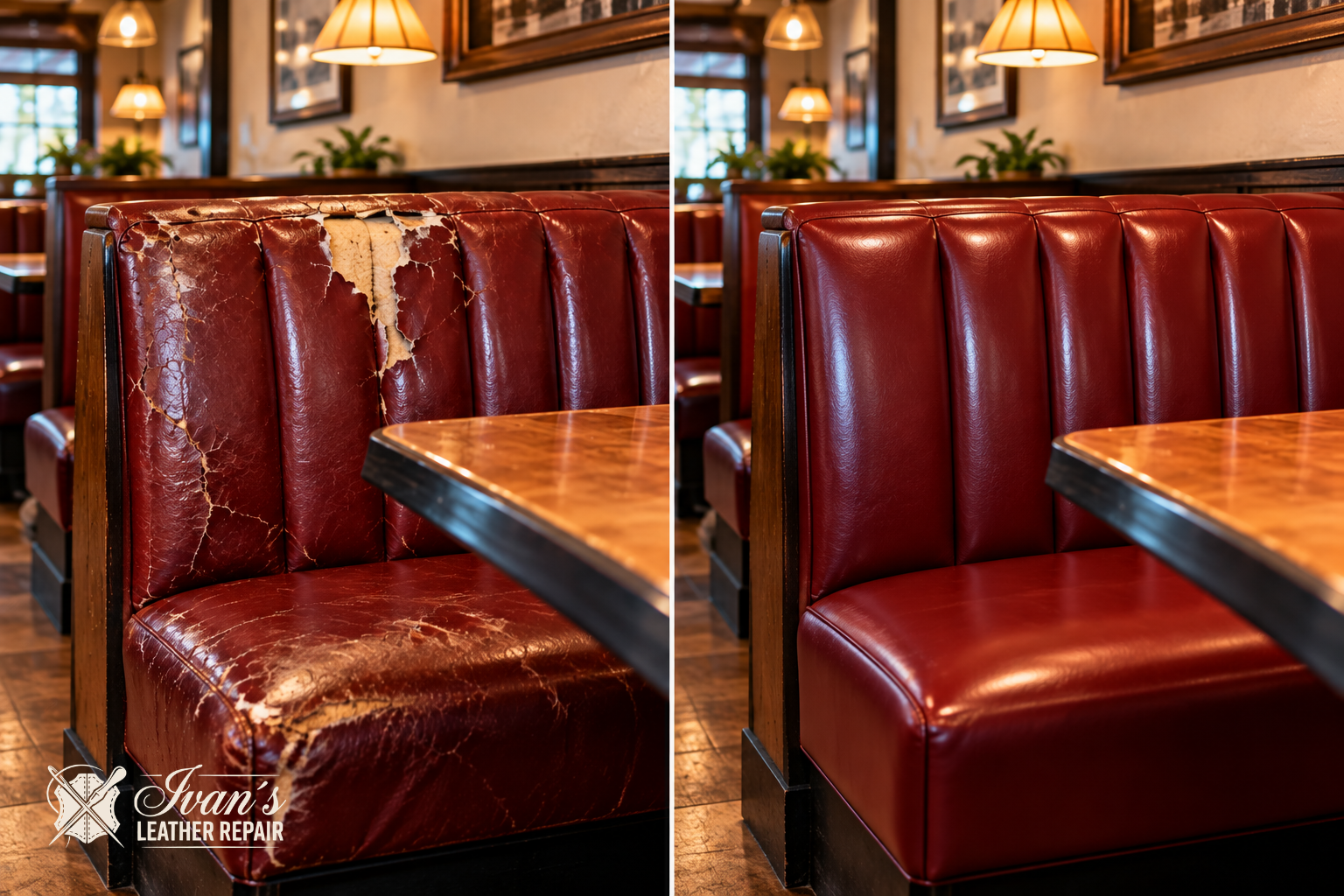
Swapping out leather isn’t always the best move. Finding a match for quality, comfort, and style can be costly. In commercial settings, replacing lots of seating can mean downtime. Plus, disposal adds waste that businesses and households often want to avoid. Repair is usually more cost-effective, especially for well-made or custom pieces. If you’re thinking it over, our commercial leather repair and restaurant booth repair options show how restoration can save money and maintain image.
How Professionals Tackle Leather Restoration
Cleaning and Prep Work
Restoring leather starts with assessment and cleaning. Dirt and oils can hide damage or keep new products from bonding well. Cleaning reveals the leather’s true condition, helping determine whether the issue is cosmetic or structural. After cleaning, prepping the surface is key for even application of fillers and color coats. Good prep leads to longer-lasting results.
Color and Surface Blending
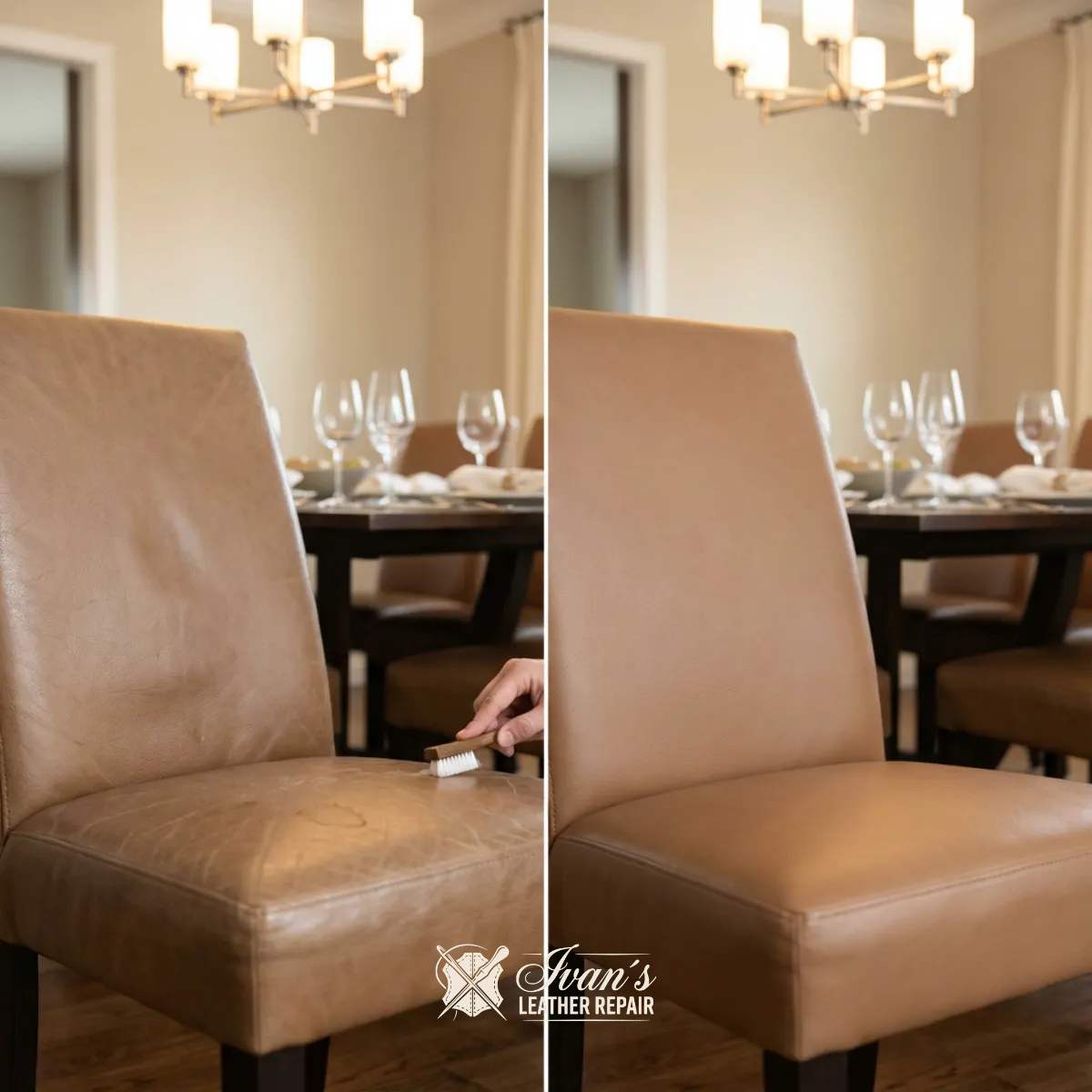
Color loss is a common gripe with leather. Sun, use, and age can make some sections look lighter. Professional repair involves careful color matching to ensure restored areas blend in, looking natural rather than patched. This is especially important for noticeable items like cars and jackets.
Conditioning and Protection
Conditioning after repair restores flexibility and helps prevent future cracks, especially in dry environments. Protective coatings may also be added to resist wear and UV exposure. The Leather Working Group, an industry organization, highlights responsible leather practices and durability. Learn more from them here.
Keeping Leather Looking Good
Simple Daily Habits
Caring for leather doesn’t have to be complicated. Regular dusting, quick spill cleanup, and gentle cleaning prevent buildup that leads to wear. Avoid direct sunlight and dry heat sources that can suck moisture out of leather. Simple prevention often saves on repairs later.
The Importance of Conditioning
Conditioning is key because it keeps leather soft and flexible. Leather loses oils over time, especially with sun and dry air exposure. Conditioning replenishes moisture and helps prevent cracks. The best routine depends on the leather type and environment, but many items benefit from conditioning a few times a year. Our guide to fixing stiff leather can help you decide when maintenance is enough and when to call in a pro.
What to Avoid
DIY methods can sometimes do more harm than good. Harsh cleaners, too much water, and aggressive scrubbing can damage finishes. Use products suitable for your leather type. If a cleaner is too strong, it can strip protective layers and create more problems.
Proof Repair Works
A Vintage Jacket’s Comeback
A vintage leather jacket from the '80s got a new lease on life through cleaning, conditioning, and targeted repair. It went from dull and scuffed to a standout piece again. Jackets are worth saving because they often fit perfectly and have a personal history. If your outerwear needs help, leather jacket repair can preserve both fit and style.
Furniture Rescue at Home
Home furniture sees heavy use, with armrests, cushions, and headrests taking the brunt. Focused restoration can address these wear points, preserving the piece’s comfort and shape. For living room staples, our leather chair repair and sun damage leather repair services are useful.
Business and Hospitality Solutions
Leather in restaurants, offices, and lobbies makes a strong impression. When seating looks worn, the space can feel neglected. Repair is often the quickest way to refresh a setting without replacing everything. For businesses needing fast restoration, commercial leather repair and restaurant booth repair help maintain a professional look with minimal disruption.
Choosing Between Repair and Replacement
Three Simple Questions
If you’re unsure what to do with worn leather, ask these three questions: Is the structure sound? Is the damage mostly cosmetic? Does the item have sentimental or quality value worth saving? If yes, repair is usually best. Many items that seem beyond help just need careful attention. A professional review can prevent unnecessary spending.
Think About the Whole Picture
Replacement might seem cheaper but can have hidden costs. Delivery, disposal, assembly, and loss of sentimental value all matter. Repair often extends an item’s life at a fraction of the cost of buying new. The leather goods market is expected to hit €400 billion by 2026, showing ongoing demand for quality and longevity.
FAQs About Worn Leather
How Do I Know If Leather Is Too Worn to Repair?
Deep cracks, major discoloration, and structural loss are red flags. But "too worn" doesn’t always mean "unfixable." A pro can tell if restoration or partial replacement is the way to go.
Is Repair Better Than Replacement?
Often, yes. Repair is more sustainable and affordable, preserving sentimental items and reducing waste. Replacement is necessary only if the structure is beyond saving.
Can Sun or Water Damage Be Fixed?
Usually, yes. Sun damage often improves with color correction and conditioning. Water damage depends on how long moisture sat and whether it affected the structure. Our water damage guide explains how to handle moisture issues before they become permanent.
Does Every Leather Item Need the Same Care?
No. Different items face different conditions and require tailored care. Smooth leather, suede, and specialty materials respond differently to cleaning and repair, making customized assessment crucial.
Why Local Expertise Counts
Fitting the Item and Environment
Leather care isn’t one-size-fits-all. Climate, humidity, and daily use affect how leather ages. In city environments, items face frequent use and fast temperature shifts. Local expertise can recommend practical solutions for these conditions.
For those needing reliable help with worn leather, antique furniture restoration and other services can protect older pieces while preserving character.
Brooklyn's Love for Craft and Reuse
Brooklyn’s design culture and DIY mindset fuel interest in restoration. From custom apartments to local businesses, more people seek ways to keep quality materials in use. Ivan’s Mobile Leather Repair meets this need with practical, mobile services that help customers restore valuable items instead of replacing them too quickly.
Conclusion: Worn Leather Often Has More Life Left
Worn leather doesn’t automatically mean it needs replacing. Wear is often a normal part of leather’s story, and it can make the material look richer. When damage goes beyond patina, professional cleaning, conditioning, color blending, and repair can restore beauty and function without the cost and waste of replacement.
The best step is to assess the item and decide if the issue is cosmetic, structural, or both. If you value durability, sustainability, and the character of a well-loved piece, repair is often the better choice. Ready to explore what’s possible for your furniture, vehicle interior, jacket, or business seating? Contact Ivan’s Mobile Leather Repair to find the best way forward.