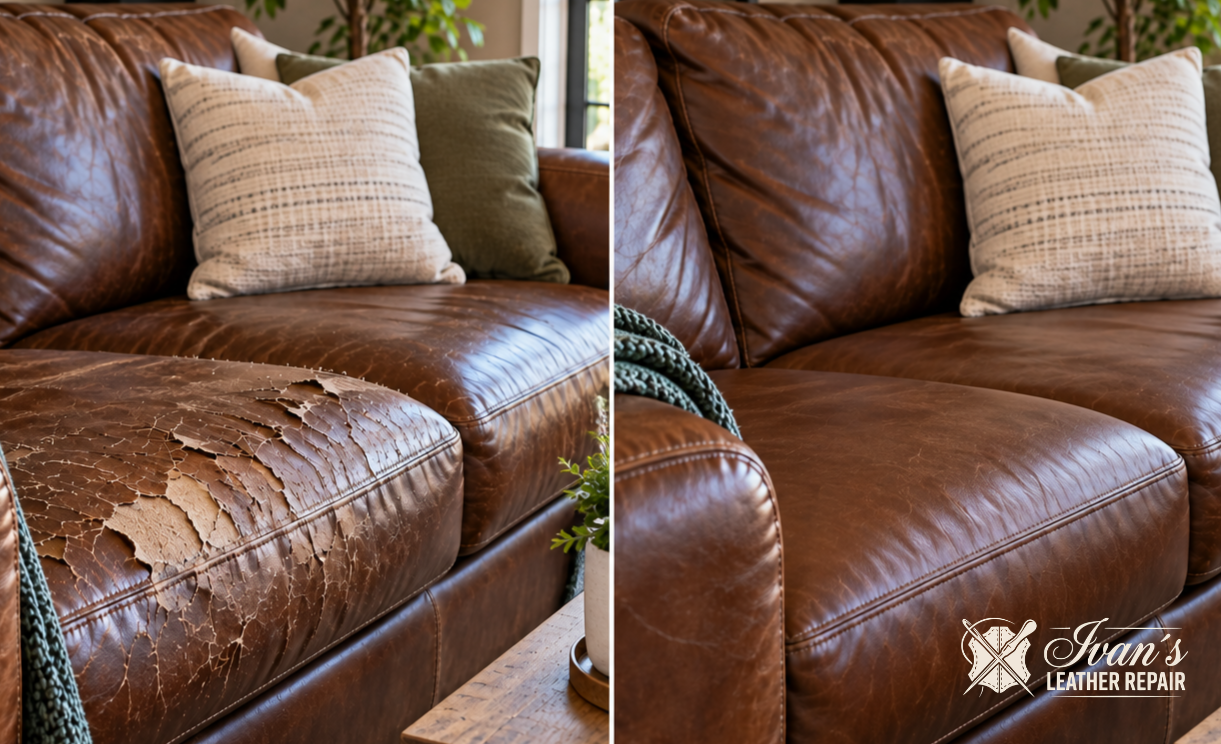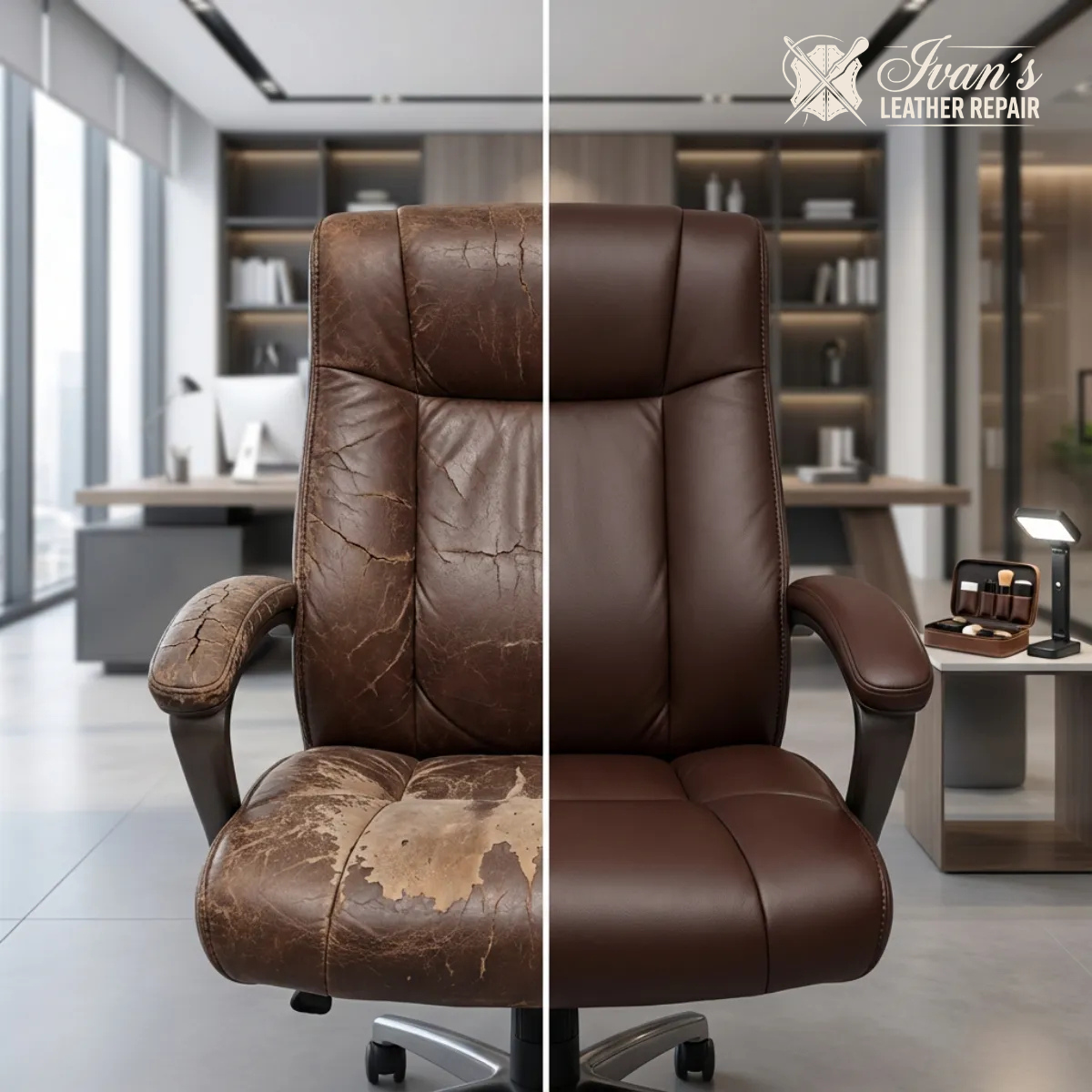
How Professional Leather Repair Brings Furniture Back to Life
Leather furniture has a unique mix of comfort, durability, and style that never goes out of fashion. But over time, even the best leather pieces can start to show their age with scuffs, scratches, fading, and even cracks and holes. Instead of tossing out your favorite sofa or chair, why not consider professional leather repair to bring it back to life? Not only does this save you money, but it also helps the environment. Let’s dive into how experts can breathe new life into your leather pieces and keep your home looking fabulous with services like residential leather repair.
The Benefits of Professional Leather Repair
Why Repair is a Better Choice
Repairing your leather furniture is often way cheaper than buying new. Plus, you get to keep the original craftsmanship and character of your piece, which is something you can't replace. This is especially true for antiques or custom items. By choosing repair, you also keep your furniture out of landfills.
Good for Your Wallet and the Planet
When you repair rather than replace, you cut down on waste and avoid the carbon footprint of making and shipping new items. The repair industry is growing and contributing to a more sustainable economy. Repairing your furniture also supports local businesses and skilled craftsmen.
When to Call in the Pros
While you can handle minor cleaning and conditioning at home, bigger issues like deep gouges, color loss, and structural problems need a professional touch. Trained technicians know how to evaluate your leather, recommend the right fixes, and do repairs that last. Consider reaching out to experts offering services like leather sofa & couch repair for custom work.
Trendy Innovations in Leather Repair
Eco-Friendly Choices
People are leaning towards more sustainable options these days. The leather repair industry is stepping up with greener materials and processes. From water-based adhesives to non-toxic dyes, these choices are better for the planet. For more info on safe repair materials and indoor air quality, check out sources like the U.S. Environmental Protection Agency.
High-Tech Repairs
Technology is playing a big role in leather repair. AI color-matching systems and precision tools like laser-guided cleaners help make repairs more accurate and efficient. These advances mean faster service without compromising quality.
Specialized Services
Repair businesses now offer more specialized services, from fixing pet damage to restoring classic car interiors. This allows technicians to use the right techniques for each type of leather and damage, so every piece gets the attention it deserves.
Expert Techniques for Leather Repair
Assessing the Damage
Every repair starts with a thorough assessment. Experts look at the type of leather, the condition of seams, and the color stability. They might test hidden areas for dye fastness and check the foam and frame to create a tailored repair plan.
Surface Repairs
Small scratches can often be buffed out with the right compounds and abrasives. Deeper gouges might need elastic fillers that expand as they cure, perfectly matching the original texture. After shaping and sanding, technicians apply color and finishes to blend the repair seamlessly.
Color Matching and Recoloring
Modern techniques use layered dye systems to restore color depth and sheen. When an exact match isn't possible, blending techniques create a natural transition that respects the piece's original character.
Structural Fixes
Structural repairs like reattaching flaps and fixing seams require high-quality adhesives and precise stitching. Eco-friendly shops often use water-based adhesives to minimize harmful emissions. Cushion and support repairs may also involve replacing worn foam or webbing.
Step-by-Step: Common Leather Repairs
Fixing Scratches and Scuffs
First, clean the area with a pH-balanced leather cleaner. Next, lightly sand the scratch to level the edges. If needed, apply a leather filler and sand it smooth once cured. Finally, apply dyes and finishes to restore the color and protect the surface.
Filling Cracks
Cracks often mean the leather has lost some of its natural oils. Pros start by stabilizing the leather with cleaning and conditioning. Then, they use fillers to restore volume and elasticity. Sealing the area with flexible topcoats helps prevent future cracking.
Repairing Burn Holes and Pet Damage
Burn holes and pet punctures need a layered approach. Technicians prepare the hole edges, add backing support if needed, and patch with compatible leather or filler. They use tools and pigments to match the surrounding grain and color.
Full-Color Restoration
When color loss is widespread, professionals strip the old finish and build the new color in thin layers. This gives the leather depth and natural variation. A final protective topcoat preserves color and improves durability.
Real-World Examples and Local Use
Restoring Antiques
Antique leather furniture needs careful conservation. In Brooklyn, local experts combine traditional craftsmanship with modern materials to maintain historical integrity while ensuring durability.
Family Room Favorites
High-traffic pieces like family room sofas benefit from targeted repairs that restore both looks and function. Mobile repair services offer on-site fixes, making it easier to keep your furniture in top shape without moving it.
Commercial Spaces
Places like restaurants, hotels, and offices need quick, durable repairs that meet branding and heavy-use demands. Specialized finishes and materials extend the life of commercial furniture.
Tips for Keeping Your Leather in Great Shape
Regular Cleaning and Care
Routine maintenance can stop minor issues from becoming big problems. Use pH-balanced cleaners and follow up with a conditioning oil. This helps keep your leather from cracking and getting stiff. Pros recommend conditioning based on use: quarterly for high-traffic pieces and twice a year for others.
Watch Out for Sunlight and Heat
Sunlight can fade and dry out leather quickly. Keep your pieces away from windows or use window films and blinds. Also, avoid placing leather near heat sources. If sun damage occurs, specialized sun damage leather repair services can help.
Proper Storage Tips
When storing leather, use breathable covers and avoid plastic. Keep humidity levels moderate and don't stack heavy items on upholstered pieces. For smaller goods like jackets, use padded hangers to preserve shape.
Expert Opinions and More Resources
Professional Standards in Conservation
Experts follow guidelines that balance durability with material compatibility. For technical standards, check the American Institute for Conservation.
Safe Materials and Health Tips
Choosing materials with low VOCs and non-toxic dyes is better for health and the environment. The EPA offers resources on indoor air quality and safer chemical choices for coatings and adhesives. See their guidance here.
Learn More About Leather
For more on leather properties and repair needs, check out Wikipedia's leather overview.
FAQs and Common Concerns
How Long Does Repair Take?
The time needed depends on the damage. Small fixes might take a few hours, while more extensive repairs can take several days. Technicians will give you a timeline based on their assessment.
Are Repair Materials Eco-Friendly?
Many shops now use eco-friendly adhesives and non-toxic pigments. If sustainability is important to you, ask your technician about their materials.
Can All Leather Be Repaired?
Most leather can be repaired to some extent. The success depends on the damage, leather type, and historical value. For severely damaged items, structural and aesthetic repairs can make them usable and attractive again. Always get a professional evaluation first.
What Affects Repair Longevity?
The right materials, skilled technicians, proper conditioning, and care all play a role. Using compatible adhesives and following the right post-repair care will extend the life of your leather.
Choosing Your Repair Partner
Check Experience and Portfolios
Look at portfolios with before-and-after photos of similar jobs. Testimonials and case studies can also help.
Convenience and Service Options
See if the shop offers mobile repairs, pickup-and-return, or in-shop options. Mobile services are great for heavy furniture. Ask if they follow conservation methods for vintage pieces.
Warranty and Follow-Up Care
A good shop will offer clear info on warranties and follow-up care. They should outline a maintenance plan and offer tips to extend repair life.
Wrapping Up and Next Steps
Leather repair is a smart, sustainable way to breathe new life into your furniture. With the right techniques and materials, professionals can restore both function and beauty. If you're dealing with leather damage, a professional evaluation can help you decide the best way forward. Explore services like cracking leather repair, or pet damage leather repair, based on your needs. If eco-friendly options matter to you, ask about sustainable materials.
At Ivan’s Mobile Leather Repair, we offer expert evaluations, mobile and in-shop repairs, and a dedication to quality. Contact us for an assessment and a quote at (347) 207-3031 or email info@repairleathernyc.com. For easy home solutions, our leather chair repair and mobile services make it simple to keep your furniture looking great.
Ready to bring your leather back to life? Reach out to us and let our professionals restore comfort and beauty to your furniture.