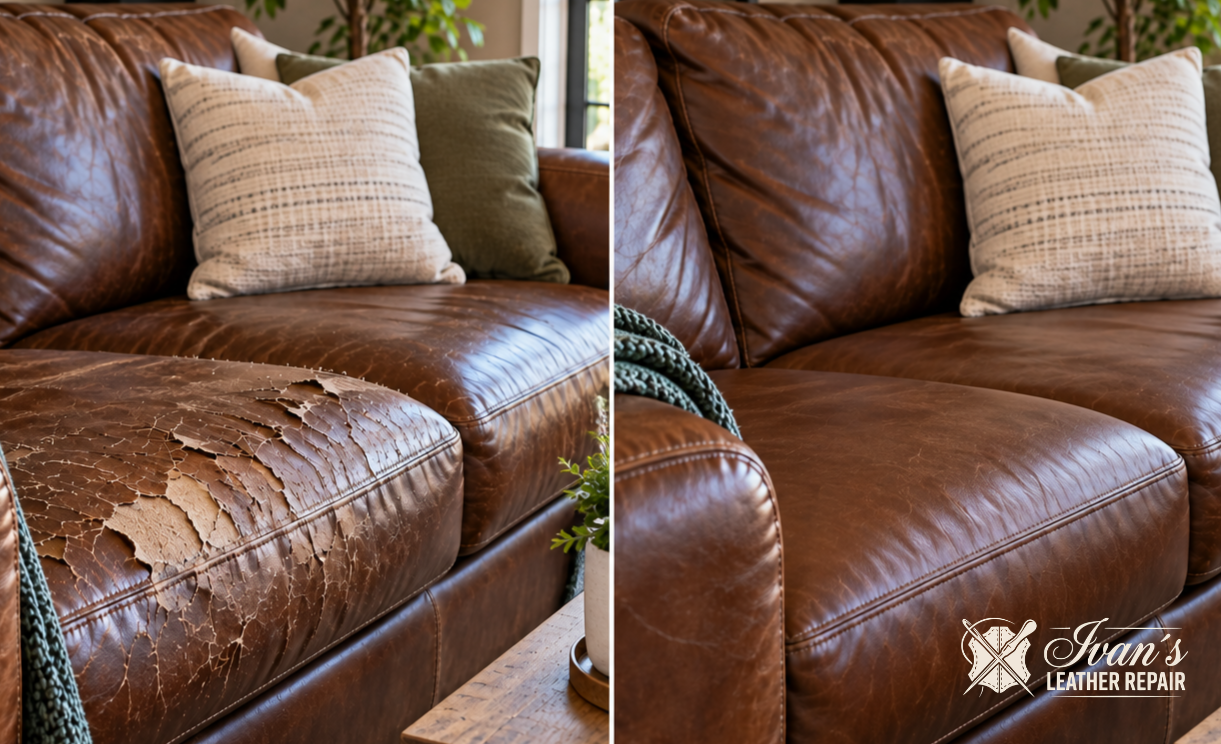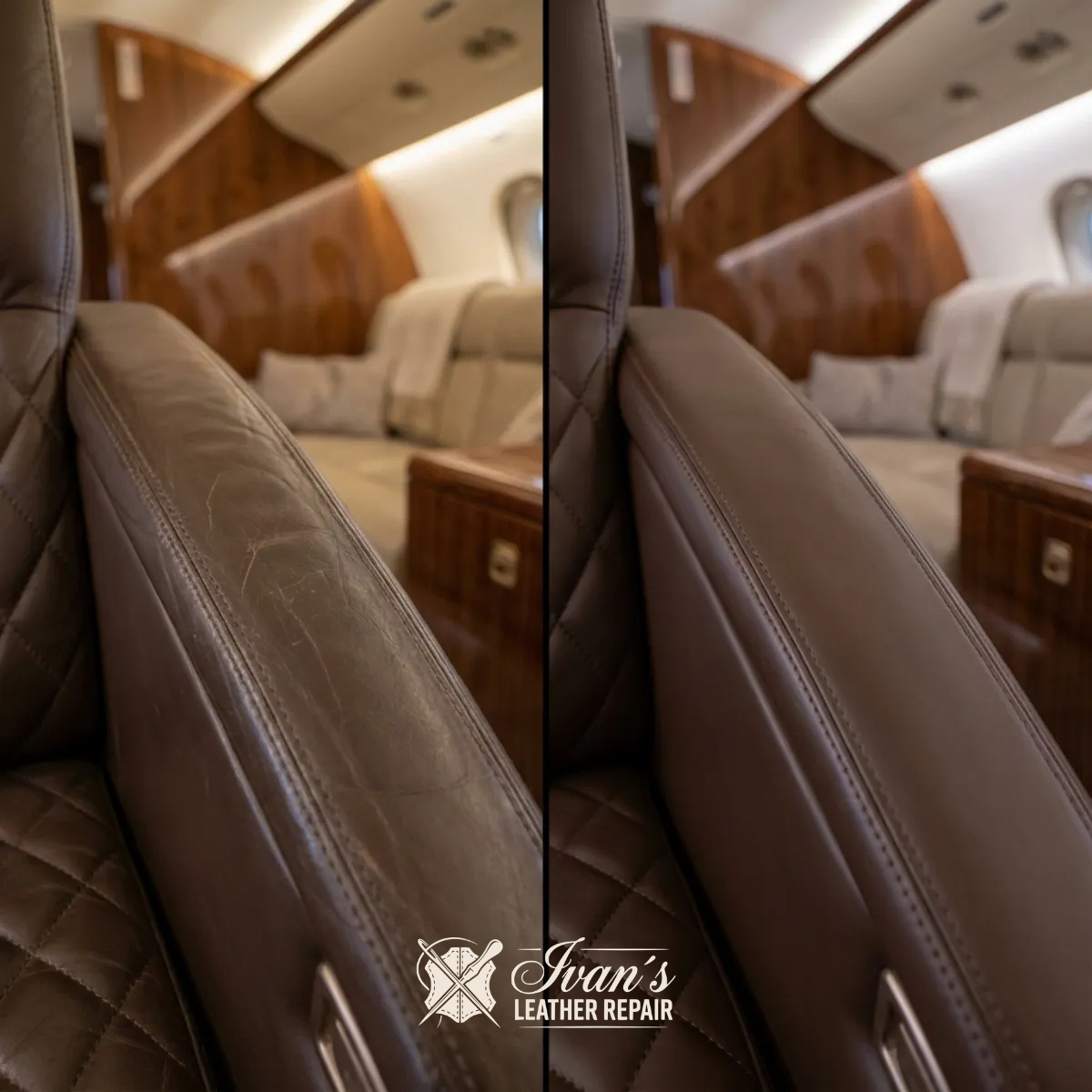
Luxury leather interiors are meant to stand out, but their real worth goes beyond just looks. Over time, even the fanciest leather can start to show wear and tear from everyday use, sunlight, dry air, spills, pet scratches, and friction. This is where professional restoration becomes crucial. It helps maintain the piece's beauty, comfort, and resale value while extending its life. For homeowners, business owners, and car enthusiasts who want to protect their investments, restoration is often a smarter choice than replacement.
In Brooklyn and other style-conscious areas, more people are opting for restoration because it’s practical and eco-friendly. Instead of throwing items away, many choose repair because it’s more sustainable, cost-effective, and respects the original craftsmanship. This trend ties into the broader "right-to-repair" movement, which is gaining attention in policy and research discussions. You can read more about this movement in this academic paper on repairability and sustainability. When considering your options, services like residential leather repair and auto leather repair can fix various types of luxury interiors without needing a full replacement.
This guide will show you how leather restoration helps maintain value, which repairs have the biggest impact, and what to look for in a skilled professional. You'll also find real-world examples, insights on resale value based on condition, and maintenance tips to keep your luxury leather looking great for longer.
Why Leather Restoration Matters for Luxury Interiors
Protecting Original Craftsmanship
Luxury leather is chosen for its quality, softness, and finish. When an expert restores it, the aim is not to erase its history but to protect its value. Repairing with care respects the original material, keeping the leather functional while preserving its visual charm. This is especially important for designer furniture, custom seating, and premium auto interiors where originality adds to their appeal.
Selective restoration works best because it focuses on damaged areas without reworking the entire piece. Small cracks, scuffs, faded spots, and loose seams can be fixed without unnecessary intervention. On the other hand, aggressive recoloring or heavy filler use can create a patchy look and reduce authenticity. For deeper structural problems, a professional might suggest cracking leather repair or leather chair repair to stabilize the piece before starting cosmetic refinishing.
Preserving Resale and Investment Value
The condition is a big factor in the resale value of luxury leather goods. Industry data suggests that items in "Pristine" or "Excellent" condition might reach around 85-120% of their original retail value, while pieces in "Good" condition might only get 50-70%. Restoration can move an item from the lower range into a much stronger value bracket by improving its look and durability. This is why sellers, collectors, and property owners often view restoration as a financial strategy, not just a cosmetic fix.
This is important for furniture, vehicles, and specialty interiors alike. A well-maintained leather sofa can elevate an entire living space, while a restored car cabin can improve enjoyment and buyer confidence. If wear has spread across multiple surfaces, leather sofa and couch repair or classic car interior restoration can make a big difference in how the piece is perceived during appraisal or resale.
Current Trends Shaping Leather Restoration
Sustainability and the Restore-Not-Replace Mindset
One clear trend in luxury care is the shift toward sustainability. Buyers increasingly realize that replacement generates waste, uses more materials, and often costs more than targeted repair. Restoration supports the idea that quality pieces should be maintained rather than thrown away. This is especially relevant for leather, since a well-made item can last many years with proper repair and conditioning.
The environmental argument is strengthened by growing interest in long-lasting goods and responsible consumption. Reusing and restoring what already exists can reduce demand for new manufacturing and help owners get more value from what they already own. For those interested in broader sustainability guidance, the U.S. Environmental Protection Agency’s materials on waste reduction and reuse at EPA recycling and reuse basics provide helpful context. In practice, choosing restoration is often both a style decision and an eco-friendly one.
Demand for Mobile, Convenient Service
Another trend is the rise of mobile restoration, where professionals perform work on-site at homes, offices, and garages. This convenience is especially appealing in busy urban areas where transporting furniture or vehicles can be a hassle. Mobile service also helps preserve the piece by reducing handling and exposure during transit. For many clients, restoring leather where it sits is a major plus.
In Brooklyn, this flexibility is especially valuable because luxury interiors often exist in apartments, brownstones, boutique offices, and hospitality spaces where access matters. Businesses seeking discreet, efficient care may prefer commercial leather repair, while homeowners may request residential leather repair to keep their interiors looking refined without disrupting the household. Mobile restoration fits modern lifestyles while still delivering professional results.
Which Restoration Techniques Protect Value Best
Cleaning, Conditioning, and Surface Stabilization
The best restoration begins with diagnosis. A professional will identify whether the leather is dry, dirty, faded, cracked, scratched, or stained before deciding on treatment. Gentle cleaning removes buildup that dulls the finish, while conditioning restores flexibility and helps reduce the chance of additional cracking. These first steps are crucial because they prepare the leather for any later color work or repair.
Surface stabilization often makes a significant difference on its own. A leather piece that has become stiff or slightly dried out can respond well to controlled moisture balancing and conditioning, especially if the damage is still early-stage. For pieces affected by sun exposure, sun-damaged leather repair can help correct fading and dryness before deterioration spreads. On older or collectible items, restraint is important so the restoration supports the leather rather than over-processing it.
Color Matching and Selective Recoloring
Color loss is one of the most visible signs of wear. Skilled restoration uses precise matching to blend repaired areas into the original finish, which preserves the overall appearance of the piece. The goal is not to make the leather look brand new at any cost; it is to make damage less noticeable while maintaining authenticity and natural texture. This is why selective recoloring is generally preferred over full recoloring.
Over-restoration can be harmful if it masks the character of the item. Too much pigment or heavy coating can flatten the grain and make the piece look artificial. In contrast, targeted work on scuffs, faded high-contact zones, or small tears tends to produce a better result for both appearance and value. For complex color issues, many clients also request burn hole leather repair or pet damage leather repair when damage is localized and needs seamless blending.
How Restoration Affects Different Luxury Interiors
Home Furniture and Statement Seating
High-end sofas, accent chairs, and sectionals are often central design features in luxury homes. When these pieces wear down, the room can feel tired even if the rest of the décor is elegant. Restoration helps preserve the original investment by keeping the leather supple, attractive, and comfortable. It also supports the room’s design continuity, important when the furniture was selected to complement custom finishes, art, or architectural details.
For many households, sofa wear appears first along armrests, cushion edges, and head contact points. These areas can often be restored before damage becomes structural. If a piece has both visible wear and everyday use issues, leather sofa & couch repair can be a practical option. The result is a more polished interior and a longer lifespan for furniture that would otherwise require costly replacement.
Automotive Cabins and Collectible Vehicles
Leather seats, steering wheels, and trim in premium vehicles are subjected to constant friction, temperature swings, and sunlight. Even small cracks or surface scratches can make a car interior feel neglected, which is a concern for resale and for the driving experience itself. Restoration in automotive settings is often highly targeted, with color-matched work performed on-site to retain the factory look. This is especially valuable in collectible cars where originality and finish quality matter.
For classic vehicles, the stakes are even higher because authenticity influences collector interest. A careful restoration can improve presentation without altering the original design intent. If the cabin has sustained age-related wear, auto leather repair or classic car interior restoration can preserve visual integrity while keeping the interior comfortable and usable. That balance is key to protecting both enjoyment and market value.
Commercial and Hospitality Environments
Luxury interiors are not limited to private homes and vehicles. Restaurants, clubs, offices, lounges, and boutique hospitality spaces also rely on leather for a premium guest experience. In these settings, worn booths or cracked lobby seating can send the wrong message about quality and maintenance. Restoration is often the fastest way to improve first impressions without the disruption of full replacement.
For businesses, the return on repair is often measured not only in aesthetics but also in customer confidence. Well-maintained seating communicates professionalism and attention to detail. When booths, waiting room chairs, or office seating show wear, restaurant booth repair and commercial leather repair can help protect the brand experience while controlling capital expenses.
What Expert Best Practices Say About Conservation-Grade Repair
Repair Only What Needs Repair
Professionals specializing in luxury leather often recommend the least invasive solution that will still solve the problem. That means fixing cracks, scratches, fading, or loose stitching without overworking adjacent areas. Conservation-grade restoration can preserve a piece’s age, grain, and patina while still improving durability and appearance. It values judgment as much as technique.
This approach is especially important for antique or high-design items. If a piece has historical or sentimental value, removing every sign of age may actually reduce its character. In those cases, careful evaluation matters more than a one-size-fits-all fix. Owners of inherited or collectible pieces may also benefit from antique furniture restoration, which prioritizes preservation over dramatic alteration.
Avoiding Over-Restoration and Filler-Heavy Fixes
Over-restoration can reduce value by making a piece look too new, too flat, or too uniform. Heavy fillers may hide a defect temporarily, but they can also create an unnatural feel and limit long-term performance. Skilled technicians understand how to fill only where necessary, blend only where needed, and maintain the texture that gives leather its character. That restraint is one reason professional work often outperforms DIY attempts.
Industry commentary on resale also suggests that conservative restoration can support better value retention than aggressive cosmetic changes. In luxury markets, buyers often want evidence that the item has been cared for, not disguised. If you are unsure whether a piece is a candidate for repair, a professional assessment can clarify the best path. You can start with a focused service such as leather chair repair or a broader assessment for more complex damage.
Signs Your Leather is a Good Candidate for Restoration
Minor to Moderate Surface Damage
Not every worn leather piece needs to be replaced. Small tears, scratches, scuffs, fading, and isolated cracking are often ideal candidates for restoration because the damage is localized and the base material is still sound. The earlier a problem is addressed, the more likely it is that a targeted repair will succeed. Waiting too long can allow a small flaw to become a structural issue.
One practical rule is to look at whether the leather still has flexibility and most of its original integrity. If it does, restoration is usually worth exploring. When the issue came from a specific cause, such as claws or sunlight, specialized services like pet damage leather repair or sun damage leather repair may be the best fit. These repairs can improve both visual appeal and long-term resilience.
Damage That is Widespread but Still Stable
Even when wear appears across a larger area, repair can still be worthwhile if the leather is structurally stable. Faded panels, uniform dryness, and repeated surface scuffing often respond well to a combination of cleaning, conditioning, and recoloring. A good professional will tell you honestly whether the result is likely to justify the cost and whether any limitations should be expected. That transparency helps owners make a smart decision.
In some cases, a partial restoration strategy makes more sense than a full overhaul. For example, a worn seat cushion, armrest, or side panel may be repaired individually rather than redoing the entire item. This keeps the project cost-effective while still improving the look of the whole piece. It also helps preserve the item’s original materials wherever possible.
Brooklyn Examples: Why Local Demand Keeps Growing
Historic Charm Meets Modern Luxury
Brooklyn has a unique interior design scene. Brownstones, lofts, renovated apartments, creative office spaces, and hospitality venues all create a demand for leather that feels refined and durable. Owners of these spaces often want restoration solutions that respect both the age of the property and the quality of the furnishings. That makes careful leather repair especially relevant in this market.
Local service also matters because clients prefer convenience and trust. Mobile professionals can evaluate pieces in place, recommend conservative treatment, and avoid unnecessary transport. Services such as residential leather repair and commercial leather repair are well suited to these needs, especially when time and disruption are concerns. In neighborhoods with active design culture, keeping luxury pieces in circulation is both practical and stylish.
Real-World Service Examples
Brooklyn-area providers have helped clients restore everything from sofas and office seating to car interiors and jackets. Mobile service models are particularly attractive because they bring the work directly to the client. In practice, this means a homeowner can address a worn sectional, a restaurant can refresh booths, and a driver can repair interior scuffs without major downtime. That convenience is one reason the repair sector continues to expand.
Case studies in the region show how repair can support a broader sustainability and preservation mindset. Whether the goal is to maintain a family heirloom or a high-end commuter vehicle, restoration makes ownership more efficient. For broader background on repair and refurbishment trends, the right-to-repair discussion continues to be referenced in research and policy debates, including coverage from major reporting on the repair movement. The takeaway is simple: well-executed restoration helps good pieces last.
How to Choose the Right Restoration Partner
Look for Technical Skill and Judgment
The best leather restoration professionals do more than apply products. They assess leather type, finish, wear pattern, and likely outcomes before recommending a plan. You want a provider who understands how to preserve texture, match color accurately, and avoid unnecessary intervention. That combination of skill and judgment is essential for luxury interiors.
It is also wise to ask about the process before work begins. A strong provider should explain cleaning, conditioning, repair, recoloring, and protection in plain language. They should also tell you where limits exist, because honest expectations are part of quality service. For location-specific support, clients in the area can review residential leather repair or auto leather repair options to match the problem with the right service path.
Ask About Materials, Finish, and Aftercare
Restoration quality depends partly on the products used and partly on the aftercare plan. Good professionals use materials appropriate for the leather type and the expected level of wear. They should also give guidance on cleaning, conditioning, sunlight protection, and long-term maintenance. A well-restored piece can lose value quickly if it is returned to the same damaging conditions.
Because luxury leather is a long-term investment, aftercare should be treated as part of the service rather than an afterthought. Ask how often conditioning is recommended, what to avoid, and when follow-up touchups might be needed. That advice can help you preserve the result and extend the life of the repair.
Practical Maintenance Tips to Protect Restored Leather
Prevent Sun, Heat, and Moisture Damage
Once leather has been restored, good maintenance helps preserve the result. Keep pieces away from direct sunlight when possible, since UV exposure can dry out leather and fade color over time. Avoid placing furniture near heat sources or in areas with extreme humidity swings, because both conditions can affect flexibility and finish. These preventive steps are simple but highly effective.
Routine care should include light cleaning and the occasional conditioning product suited to the leather type. If the piece shows signs of recurring dryness, it may need a professional review rather than repeated home treatment. For especially vulnerable items, such as furniture near windows or vehicles with high sun exposure, sun damage leather repair can help correct the damage and inform better prevention habits going forward.
Use a Gentle Routine, Not Harsh Products
Harsh cleaners, silicone-heavy sprays, and aggressive scrubbing can do more harm than good. Luxury leather performs best when cleaned with mild methods and maintained consistently rather than rescued after neglect. Blot spills quickly, use soft cloths, and test any new product on a discreet area first. A careful routine reduces the risk of discoloration and surface wear.
For owners who want a broader care plan, pairing restoration with expert maintenance is ideal. That may mean periodic inspections for wear, localized repair of high-contact points, and preservation work for special pieces. The result is not just a better-looking interior but a more valuable one.
Frequently Asked Questions About Leather Restoration and Value
Is Leather Restoration Worth the Investment?
Yes, especially for high-quality leather items. Restoration can improve appearance, extend lifespan, and support resale or appraisal value. When compared with replacement, repair is often more cost-effective and environmentally responsible. For luxury interiors, it is usually the better first option.
Will Restoration Affect Authenticity?
When done conservatively, restoration should not compromise authenticity. In fact, careful repair often helps preserve the original item by stabilizing damage before it spreads. The key is to avoid heavy-handed techniques that erase character or make the leather look artificially new.
How Do I Know Whether My Piece Can Be Saved?
Pieces with minor cracks, scratches, fading, or isolated tears are often good candidates. If the leather still has structural integrity, a professional can usually recommend a targeted repair strategy. An in-person assessment is the best way to confirm whether restoration is appropriate and what outcome to expect.
Conclusion: Restore Strategically, Preserve Value Longer
Leather restoration helps maintain the value of luxury interiors by protecting the original material, improving appearance, and extending useful life. It supports sustainability, reduces unnecessary replacement, and can improve resale value when done with care. The most effective repairs are often the most selective because they respect the item’s craftsmanship while addressing visible wear.
If you own a treasured sofa, a high-end vehicle cabin, a commercial lounge, or a family heirloom, restoration is worth considering before replacement. For expert help with tailored solutions, explore leather sofa & couch repair, classic car interior restoration, or the full range of leather repair services offered by Ivan's Mobile Leather Repair. To learn more or schedule a consultation, visit our website and take the first step toward preserving your investment.