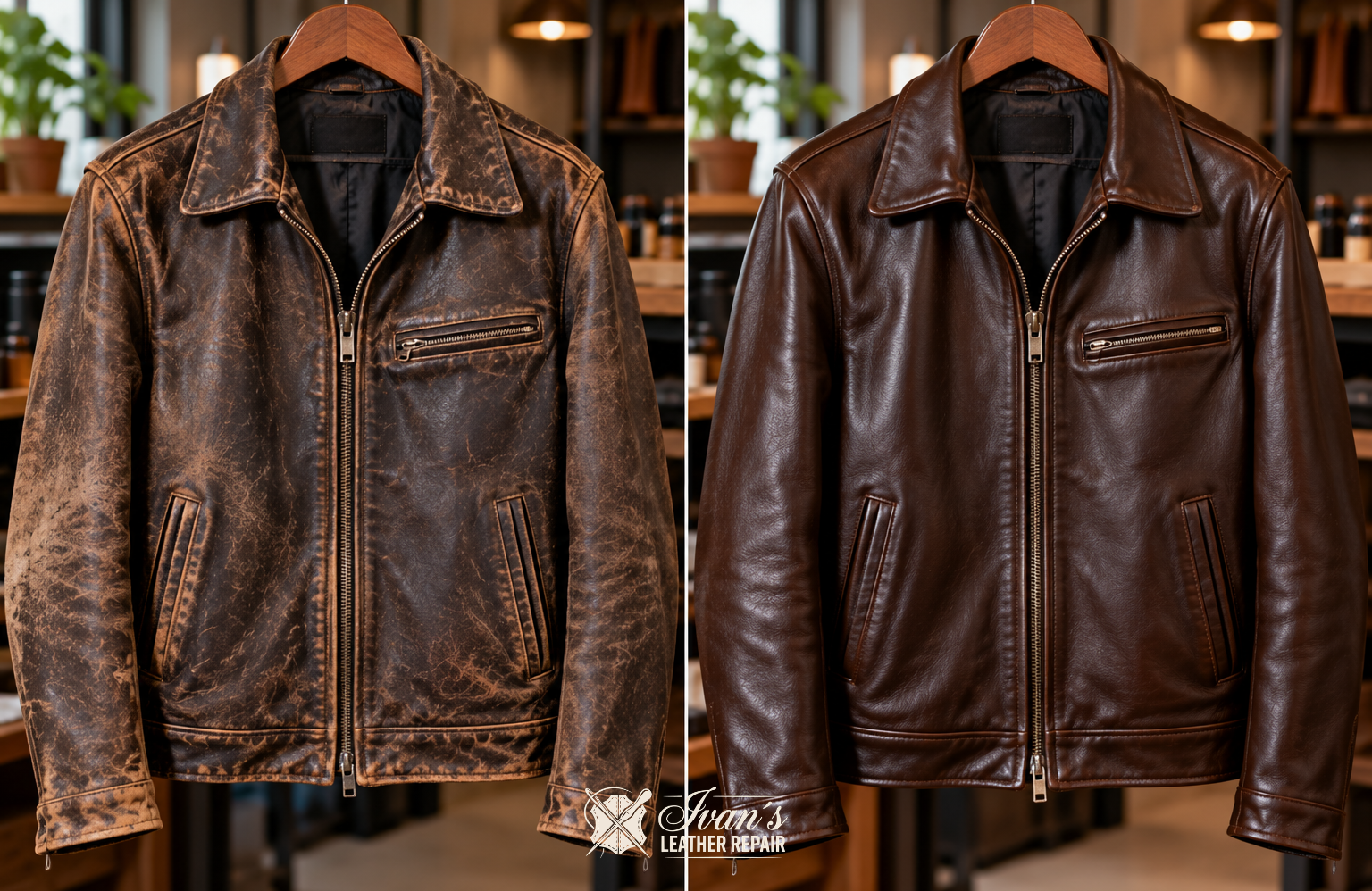
Pet scratches on a leather couch can be super frustrating, especially when it happens to your favorite piece in the living room. But here's the good news: many scratches, scuffs, and marks can be fixed, blended, or at least improved with the right approach. This guide will walk you through what kind of damage pets usually cause, what repairs are doable, and when it's smart to call in a pro. If you're curious about related repair options, check out our pages on leather sofa and couch repair and pet damage leather repair to see how they might help you.
Leather's tough, but it's not invincible. Cat claws, a dog's paws, or even a playful leap onto the armrest can leave anything from light scratches to deeper gouges. The repair process depends on the leather type, how bad the damage is, and if the finish is broken. As the Federal Trade Commission points out, it makes sense to look into repairs before replacing big items, especially since repairs can extend the life of your couch and save you some cash. For lots of folks, repair is a practical first step.
What Pet Scratches Do to Leather
Surface Scratches vs. Deep Damage
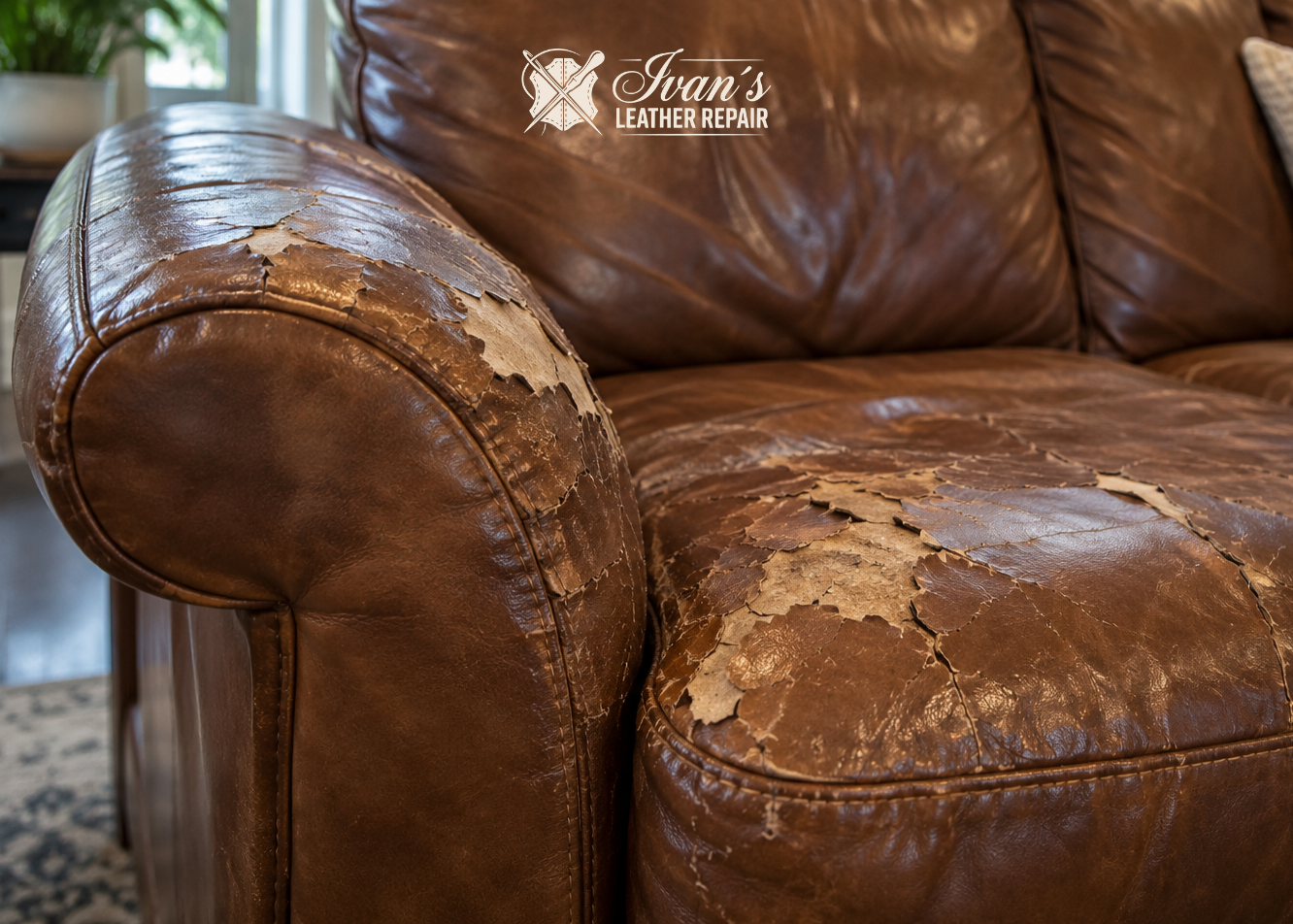
Not all scratches affect leather in the same way. A shallow scratch might just mess with the top finish layer, making it look light-colored or slightly rough but still structurally sound. These are often easiest to fix with cleaning, conditioning, and recoloring. Deeper scratches, though, can cut into the hide itself and create visible grooves or peeling edges that need more than just conditioning.
Once a scratch goes beyond the finish, repairs get more involved. Technicians might need to clean the area, stabilize loose fibers, fill in imperfections, blend colors, and reseal the surface. That's why two scratches that look similar might need totally different fixes. If your couch is already worn in other spots, services like cracking leather repair might be relevant since older leather often requires multiple steps to restore.
How Leather Type Affects Repair Results
The type of leather makes a big difference. Protected or pigmented leather, with its finish layer, can hide and absorb minor repairs better than delicate aniline leather. Semi-aniline leather sits in between, offering some color protection while still showing natural texture. The more absorbent and natural the leather, the more careful the repair process needs to be. Strong topical products or aggressive color matching can leave a visible patch if not handled right.
For example, a protected family-room sofa usually gives great results because its finish is meant to be maintained and restored. A softer, premium leather piece may need a lighter touch, more precise color work, and careful sealing to keep its natural look. Not sure what type of leather you have? Professional evaluation can save you time and prevent mistakes.
Can Pet Scratches on a Leather Couch Be Repaired?
Short Answer: Often, Yes
Most of the time, pet scratches on leather couches can be fixed successfully. Light scratches can often be minimized to blend into the existing finish, and moderate damage can be filled and recolored to reduce visibility. Even more serious damage can sometimes be improved enough that the couch looks clean and polished again. The main question is not if repair is possible but how much improvement you can realistically expect.
A good rule of thumb: if the leather is still intact and the damage is mostly cosmetic, repair is usually worth considering. If the scratch has caused a large tear, exposed foam, or widespread damage across the panel, you might need more complex restoration. For those situations, a broader service like residential leather repair can address couch panels, chairs, and other home pieces as a coordinated project.
What Repair Can and Cannot Do
Repairs can reduce visibility, restore texture, and help protect the damaged area from getting worse. They can also restore color uniformity, which is especially important when scratches create pale lines on darker leather. What repair usually can't do is make old damage disappear completely. A good professional goal is a finish that looks natural, refreshed, and consistent from a normal viewing distance.
That's important because many homeowners expect a couch to look brand new after restoration. In reality, quality leather repair is about smart improvement, not magic. The best results preserve the character of the piece while making the damage less noticeable. For a well-loved couch, that outcome is often more valuable than starting over with a replacement that may not match the rest of the room.
How Professionals Repair Pet Scratches
Cleaning and Assessment
The first step is always a careful assessment. Repair specialists inspect the scratch depth, check the leather finish, and determine whether the surface is dry, brittle, or otherwise compromised. Proper cleaning is important because dirt, oils, and pet residue can interfere with bonding and color matching. A scratch that looks minor could also hide stretched fibers or nearby cracking, so evaluation prevents surprises later.
Professional cleaning isn't the same as a quick household wipe-down. Leather must be treated with products appropriate for its finish and condition. Over-saturating or using harsh chemicals can worsen the damage, strip color, or create a shiny spot that stands out. Industry guidance from organizations like ASTM International highlights the importance of standardized material understanding, which is one reason experienced technicians approach leather restoration methodically.
Filling, Smoothing, and Texture Blending
When scratches have broken the surface, professionals may use a flexible filler or repair compound to level out the damaged area. This step is especially important for gouges and claw marks that leave a noticeable ridge. After filling, the surface is smoothed so the repair area doesn’t feel raised or obvious to the touch. Texture work is then added if needed to help the repair blend with the surrounding grain.
This is where technique matters. A repair that looks okay from across the room might still feel wrong if the surface is uneven. Good technicians work to balance appearance and touch because leather furniture is meant to be seen and used. If your couch is part of a busy family room, that tactile consistency is just as important as visual improvement.
Color Matching and Refinishing
Color work often makes the difference between a visible patch and a seamless repair. Technicians usually mix or select pigments to match the surrounding leather closely, then apply thin layers rather than one heavy coat. That method helps preserve natural shading while reducing the visibility of the scratch. If the couch has faded over time, the repaired area might also need subtle blending beyond the exact scratch line.
For couches with broader wear, color restoration can be paired with spot repair to create a more uniform result. That's one reason some homeowners combine scratch repair with broader surface restoration, especially when pets have scratched multiple areas over time. If the finish has become uneven, our sun damage leather repair and auto leather repair pages can also give you a sense of how matching and blending work across different leather surfaces.
When DIY Helps and When It Hurts
Safe At-Home Steps for Minor Scratches
Some very light scratches can be improved at home with gentle cleaning and conditioning. A quality leather conditioner might help soften the surrounding fibers and reduce the contrast of faint marks. You can also wipe the area with a soft cloth and make sure pet hair, dust, and residue are removed before deciding if deeper repair is needed. These basic steps are best for small surface marks, not for torn or peeling leather.
Home care is most useful when the goal is prevention and maintenance. Keeping leather conditioned and protected reduces the likelihood that a new scratch becomes a permanent scar. It also helps maintain flexibility because dry leather tends to show damage more dramatically. If you're trying to preserve a sofa that already gets daily use, regular maintenance is a smart complement to professional work.
DIY Mistakes That Make Scratches Worse
One common mistake is using the wrong cleaner or trying to “scrub out” the scratch. That can strip the finish, deepen the mark, or spread discoloration to a larger area. Another issue is applying color products too quickly without testing them, which can produce patchiness harder to correct than the original scratch. Heat tools and aggressive sanding are especially risky unless done by someone trained in leather repair.
DIY repair also gets tricky when pets have caused repeated damage. Multiple scratches can reveal that the leather is dry, worn, or already weakening, meaning a simple surface fix won't hold up. In those cases, a more complete solution might be necessary to protect the couch from further deterioration.
Signs You Need Professional Leather Repair
The Scratch is Deep, Long, or Multiple
Professional help is usually the best move when scratches are deep enough to catch your fingernail or when several marks are grouped. Long claw tracks can cross seams, create uneven texture, and expose a broader area of damaged finish. If the same spot keeps getting scratched, the repair needs to be durable enough to withstand future use, not just look better for a week. This is especially true on cushions, arms, and corners where pets tend to land first.
When you see repeated damage, the issue might be environmental as much as cosmetic. Pets often target the same resting spot or jump path, which means the furniture itself might need both restoration and protection planning. In homes with active dogs or cats, professional guidance often prevents the cycle of repair and re-damage from continuing.
The Couch is Valuable, Sentimental, or High-End
If the couch is a major investment, repair usually makes more financial sense than replacement. High-end leather furniture often features better materials and craftsmanship than many modern replacements, so preserving it can protect both comfort and value. Sentimental pieces also deserve careful handling because matching color and texture is often worth the extra effort when the couch is part of the family story.
This is where specialized services such as leather chair repair and antique furniture restoration show how much precision matters for cherished pieces. The same idea applies to a beloved couch that anchors the room and has been used for years. Repairing it properly often feels better than replacing it with something that lacks history and character.
How to Prevent More Pet Scratches After Repair
Training and Placement Strategies
Once the couch is repaired, prevention matters just as much as the restoration itself. Training pets not to jump on certain furniture, providing a nearby bed or blanket, and keeping nails trimmed can all reduce future scratching. Some families find that a designated pet spot near the room’s center works better than trying to prohibit access completely. The right approach depends on your household routine and your pet’s habits.
It also helps to notice patterns. If your dog scratches when trying to settle in or your cat uses the armrest as a launch point, changing the environment can reduce the behavior. Even small adjustments, such as adding a throw or pet-safe cover in the preferred landing zone, can protect the repaired area without making the room feel off-limits. If damage has already affected other pieces, pet damage leather repair can help you coordinate a broader prevention plan.
Conditioning and Routine Maintenance
Leather that stays conditioned is less likely to show dramatic scratch marks. Conditioning helps maintain flexibility, which reduces the chance of the surface cracking when it is disturbed. A healthy finish also resists minor abrasions more effectively than dry, neglected leather. Regular care is especially important in homes where pets and family traffic make the furniture work hard every day.
That said, over-conditioning isn't the answer. Too much product can create buildup, leave residue, or make the surface feel tacky, which may attract dirt. The goal is balanced maintenance with products suited to the leather type. A professional can recommend the right care rhythm after the repair is complete so the finish remains stable.
What to Expect from a Professional Visit
Inspection, Estimate, and Repair Plan
A professional leather repair appointment usually starts with an inspection and an explanation of the best approach. The technician will look at the scratch depth, panel condition, finish type, and color tone before suggesting a repair plan. Sometimes it’s a small spot repair; other times, a larger section needs blending for consistency. Transparency at this stage helps you understand what improvement is realistic before any work begins.
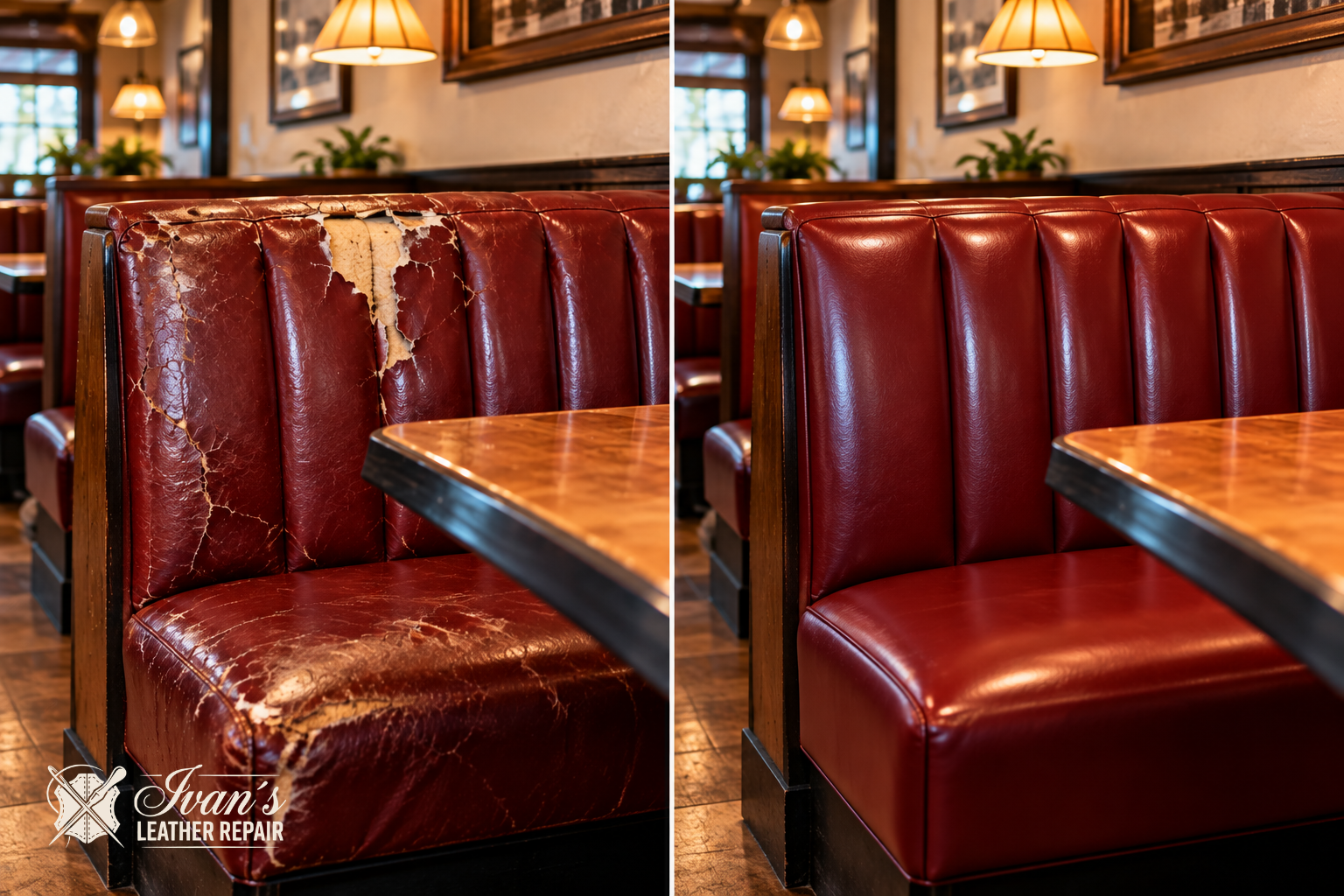
If you're comparing service options for your couch, related repair pages such as burn hole leather repair and restaurant booth repair can help illustrate how different damage types are treated with similar restoration principles. The exact workflow changes based on the item, but the careful approach remains the same: clean, stabilize, fill if needed, recolor, and protect.
Turnaround Time and Aftercare
Repair time varies based on the size of the damage and how many layers are needed. A small scratch may be completed relatively quickly, while multiple gouges or faded areas can take longer because of drying and blending steps. Aftercare usually includes letting the area cure, avoiding harsh cleaning products, and using leather-safe maintenance only after the repair has settled. Following these instructions helps the results last longer and look more even.
Many homeowners are surprised by how much better a couch can look after proper aftercare is followed. The finish tends to settle more naturally, and the repaired area becomes less noticeable over time. That's one reason professional repair is not just about the day of service—it's also about setting the couch up for a longer life afterward.
Frequently Asked Questions About Pet Scratches on Leather Couches
Will the Scratch Disappear Completely?
Sometimes a scratch can be reduced to the point where it’s very hard to notice, but complete disappearance isn't always realistic. The goal is usually a natural-looking repair that blends with the surrounding leather. For many homeowners, that’s enough to restore the room’s appearance and protect the couch from further damage. The better the leather condition and color match, the stronger the result tends to be.
Can Scratched Leather Get Worse Over Time?
Yes. If a scratch is left untreated, the area can dry out, crack, or begin peeling, especially if the leather is already aging. Repeated pet contact can turn a small cosmetic mark into a larger repair project. That's why timely attention matters. A small scratch is much easier to manage than a section that has continued to weaken for months.
Is Repair Worth It Compared with Replacement?
For many couches, absolutely. Repair is often less expensive, faster, and less wasteful than replacing a full leather sofa. It also preserves the comfort and fit of a piece you already own. For households that value sustainability, repair supports longer product life and less landfill waste, aligning with responsible consumer choices supported by organizations like the U.S. Environmental Protection Agency’s recycling and waste reduction guidance.
Final Thoughts: Yes, Many Pet Scratches Can Be Repaired
Know When to Act
Pet scratches on a leather couch are frustrating, but they aren't always permanent. Light marks can often be softened, deeper scratches filled and recolored, and many damaged couches brought back to a clean, polished condition with the right care. The key is to evaluate the damage early and choose the right level of repair before the problem spreads.
Choose the Right Repair Partner
If you want results that look natural and last, professional leather repair is usually the best route. Experienced technicians understand color matching, texture blending, and surface protection in a way that protects the value of your furniture. If your couch has pet scratches, fading, cracks, or a combination of issues, a broader service approach can often deliver the best outcome. To learn more or request help from Ivan's Mobile Leather Repair, visit our website or call (347) 207-3031. You can also keep exploring helpful service options like leather sofa and couch repair and pet damage leather repair to find the best fit for your furniture.
Ready to restore your couch? Don’t wait until a small scratch becomes a bigger problem. Reach out today to protect your leather, improve your home’s appearance, and extend the life of the furniture you already love.