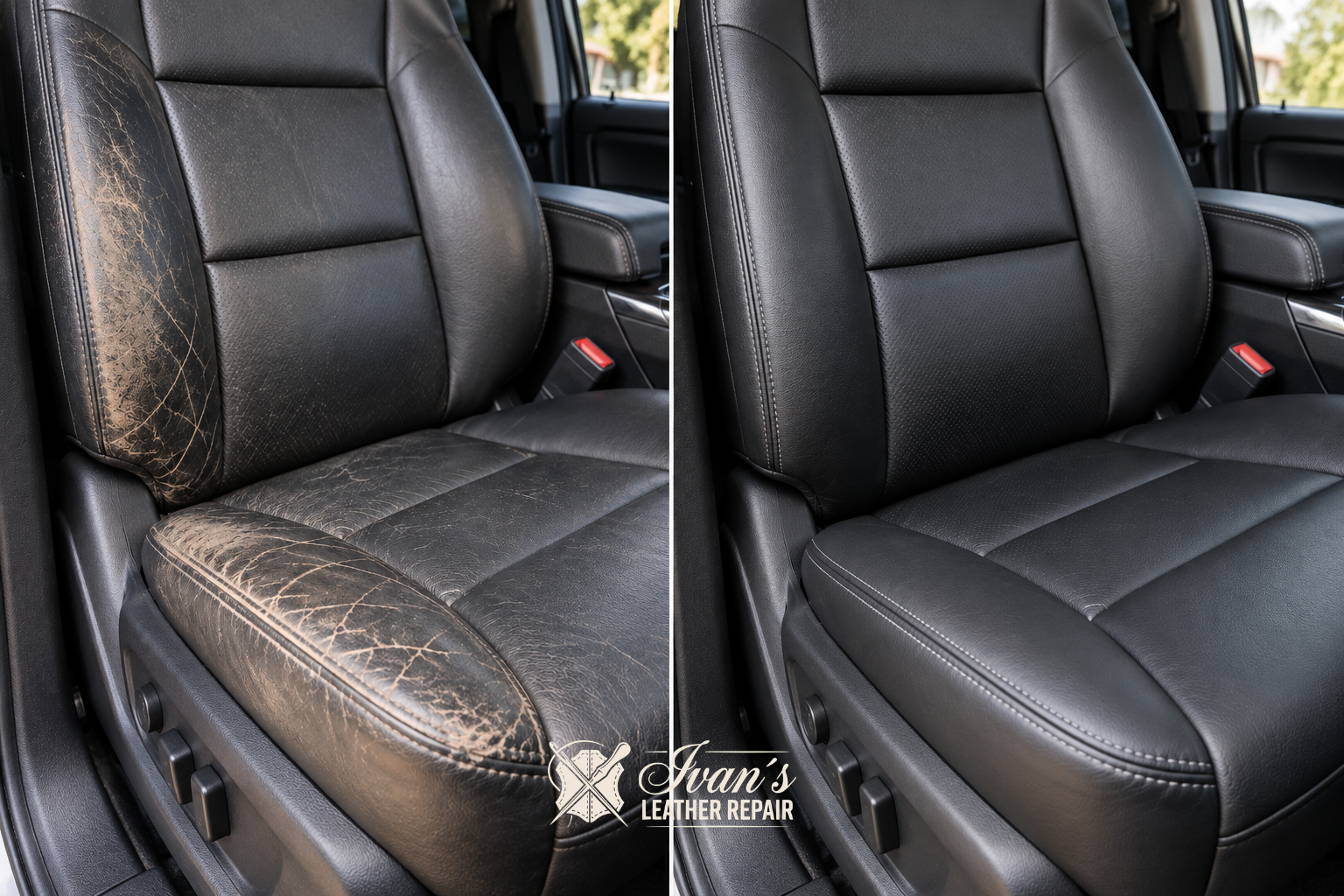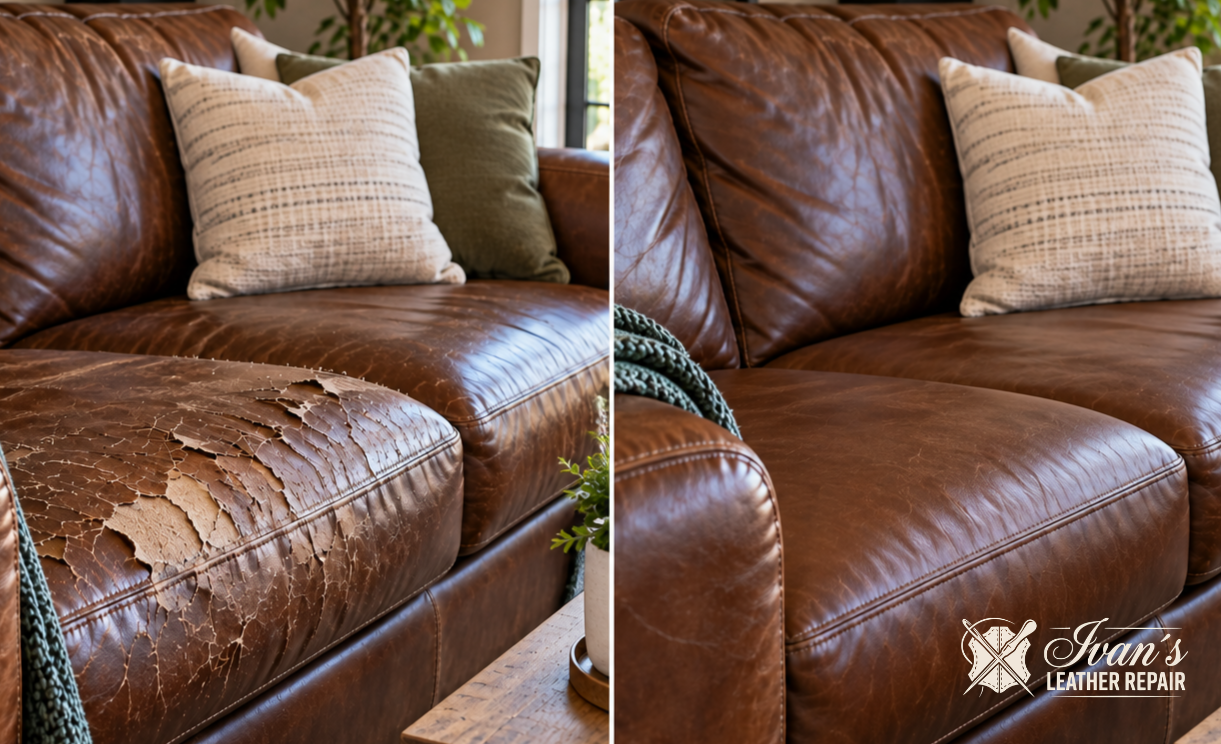
What Types of Leather Furniture Can Be Restored?
Leather furniture is a fantastic choice for your home or office because it's both durable and stylish. But over time, even the sturdiest piece can start to show its age with scratches, fading, or cracked seams. The good news? Many leather items can be brought back to life, especially if you know the type of leather and the extent of the damage before diving into repairs.
If you're unsure whether your furniture is worth saving, this guide will help you figure it out. You'll learn about the type of leather, what restoration can fix, and when it's time to call in a pro. For those looking into residential leather repair or researching the condition of a beloved sofa, it's crucial to first identify the leather type. You can also look at our guide on whether to repair or replace before committing to a full restoration.
Restoring your furniture is often more budget-friendly than replacing it, especially with high-quality pieces. Plus, according to the U.S. Environmental Protection Agency, extending the life of furniture helps reduce landfill waste, which is a win for sustainability too. For a solid overview of leather types, check out Home Depot's guide on common leather furniture. Museums and historical collections often provide resources on how to preserve furniture, focusing on conservation and longevity.
How to Identify the Type of Leather Before Restoring It
Why leather identification matters
Leather isn’t one-size-fits-all when it comes to cleaning and restoring. Full-grain leather develops a lovely patina with conditioning, but bonded leather might be too far gone. Bi-cast leather has a polyurethane layer that can crack, even if the leather underneath is fine. Understanding your leather sets the right expectations and helps avoid using the wrong products.
Visual and tactile clues you can look for
Full-grain leather has a natural feel, with visible pores and marks proving it's genuine. Top grain leather feels smoother because imperfections have been buffed out. Bi-cast leather might look too perfect and shiny, while bonded leather can feel less supple and show peeling, especially on armrests. If you're not sure, a specialist in leather sofa and couch repair can inspect and advise whether restoration is a good idea.
Signs that restoration may still be possible
If your leather has surface dryness, light fading, or small scratches, it's often a good candidate for restoration. As long as the piece is structurally sound and not collapsing at the seams, cleaning, conditioning, recoloring, and sealing can make it look much better. Targeted repairs can often maintain both function and appearance without needing a full replacement.
Full-Grain and Top Grain Leather: The Best Candidates for Restoration
Full-grain leather and its restoration potential
Full-grain leather is top-notch because it keeps the natural grain, making it durable and able to age beautifully. This leather responds well to care, as it absorbs conditioner and can handle careful cleaning. Over time, it can develop a richer tone and softer feel without losing strength.
Professional care focuses on gently maintaining full-grain leather. Proper cleaning removes grime, and conditioning replenishes oils. If cracking occurs, leather repair can help. If the leather is still supple and not peeling, chances are it can be revived.
Top grain leather and common repair outcomes
Top grain leather is a bit more processed, but still great for restoration. Its uniform surface makes touch-ups blend well. Discoloration and scuffs can be improved with color correction and conditioning. Regular maintenance, especially every 6 to 12 months, can prevent splits from dryness. For early signs of sun damage, sun damage leather repair can help restore color and protect the surface.
What restoration can look like in real life?
A top-grain loveseat with faded armrests might just need cleaning, color blending, and sealing to look fresh. A full-grain armchair with superficial scratches can be conditioned and polished to a more uniform finish. Early intervention often results in easier preservation of the leather's original character.
Bi-Cast Leather and Bonded Leather: What Can and Cannot Be Saved
Bi-cast leather is repairable in limited situations
Bi-cast leather can sometimes be improved, but it's limited compared to higher-grade hides. The synthetic coating can crack, meaning the top layer separates from the backing. Cleaning and conditioning alone won't fix peeling. However, if the structure is sound, selective repair might improve appearance and extend life. Pet scratches can speed up wear, so pet damage leather repair may be needed for these materials.
Bonded leather is the least restoration-friendly option
Bonded leather, made from leather scraps and fibers with adhesives, is less durable and often peels, cracks, and flakes. Restoration isn't a long-term solution because the material itself breaks down. Bonded leather is often a replacement candidate when deterioration is extensive. A professional eval can clarify if anything can be salvaged.
How to make the repair-or-replace decision
If a piece is peeling widely and sagging structurally, restoration isn't usually worth it. But if the furniture has sentimental value or a solid frame, partial restoration could be considered, especially for decorative or historic items.
Common Damage Types and the Best Restoration Approach
Surface dirt, oils, and everyday wear
Leather absorbs oils, dust, and residue over time, dulling its surface. Cleaning is key in almost every restoration to reveal the leather's true state and remove buildup. Use a soft cloth and gentle cleaner for routine maintenance, avoiding harsh soaps and scrubbing pads.
Soft cloth and leather-safe cleaner are best for routine cleaning. Avoid harsh soaps and scrub pads to keep the finish intact. Gentle wipe-downs followed by conditioning are safer than aggressive cleaning, aiming to preserve the surface.
Scratches, scuffs, and color loss
Light scratches and scuffs are easy to fix. They can be softened through conditioning and blended with touch-up products. Deeper color loss might need recoloring to match the surrounding surface. A worn family room chair, for example, can be cleaned, filled, recolored, and sealed to match a set, making leather chair repair a good option for color-matching needs.
Cracks, splits, and more serious structural damage
Cracks often stem from dryness or flexing. Small cracks can be stabilized early, but deep splits need patching and refinishing. Flexible leather responds better to repair. For severe cracking, commercial or home-based repair expertise can be valuable, distinguishing between a quick patch and proper restoration. Commercial leather repair is often key for handling complex damage.
Best Practices for Cleaning, Conditioning, and Protecting Leather
Clean first, restore second
Before applying repair products, clean leather gently to remove dirt and oil. This ensures conditioners bond well and don't worsen scratches. Use a microfiber cloth, pH-balanced cleaner, and light pressure. Test a small area first, then clean methodically across the piece, especially for vintage upholstery.
Conditioning keeps leather flexible
Conditioning is vital for leather maintenance. It replaces lost oils, keeping leather flexible and less likely to crack. Condition every 6 to 12 months, or more often in dry environments. Avoid over-conditioning to prevent stickiness or darkening. For long-term care, the Leather Conservation Centre emphasizes balancing moisture, cleaning, and environmental control.
Protecting against sunlight, heat, and pets
Sunlight fades and dries leather, while heat accelerates cracking. Pets can scratch and stain leather. Proper placement, routine conditioning, and protective habits extend furniture life. Specialized restoration approaches can fix UV exposure and pet wear, but prevention is cheaper than repair. Restoration remains an option when prevention falls short.
When Antique or High-Value Leather Furniture Should Be Professionally Restored
Antique pieces deserve a different standard
Antique leather furniture is often worth restoring due to its historical or sentimental value. Preservation, not modernization, is usually the goal. Technicians stabilize the leather, reduce visible damage, and maintain original character. This careful approach is supported by preservation articles and museum guidance, emphasizing original material retention. If your piece has age and character, antique furniture restoration is a good path.
Professional restoration is often worth the cost
Professional restoration can be cost-effective compared to replacing a well-built piece. The value stands out when the frame, padding, and craftsmanship surpass modern budget furniture. Pros assess restorable leather, estimate work scope, and explain outcomes before repairs, helping homeowners make smart choices.
For serious damage, trained pros identify specialized treatment needs. Burn marks, pet damage, dryness, and color loss all benefit from expert care. Combined services, such as burn hole leather repair and full cleaning, can address multiple wear types.
Case Study: Restoring a Well-Worn Leather Armchair
Assessing the piece
Take a 19th-century leather armchair with dirt, dryness, and small cracks. The frame and padding are intact, and the leather is full-grain. It's an ideal restoration candidate, with damage mostly cosmetic. An inspection confirms the leather isn't peeling.
The restoration process
The chair is cleaned with a gentle product, then conditioned to soften fibers and reduce brittleness. Small cracks are filled and blended, and worn areas recolored for depth. A protective finish guards against future drying and staining. The goal is to keep the chair's age while making it usable and attractive.
Why this example matters
This restoration is common in homes and collections. It shows how serious-looking damage can be manageable when the material is strong. Owners are often surprised a piece they thought was trash can still serve beautifully after focused restoration.
FAQs About Leather Furniture Restoration
Can all leather furniture be restored?
No. Full-grain and top-grain leather are generally the best candidates, while bi-cast and bonded leather are less reliable for long-term restoration. The answer depends on the material, wear degree, and structural condition of the furniture. A professional assessment quickly determines if repair is worthwhile.
How often should leather furniture be conditioned?
Condition leather furniture every 6 to 12 months, though heavy-use pieces may need attention sooner. Homes with dry air, strong sunlight, or high traffic may require more frequent conditioning. Consistency is key, as too much product can cause new issues.
Is it better to restore or replace?
Restore if the leather is high quality, the frame is solid, and the damage is mainly cosmetic. Replace if the material is bonded and peeling extensively or if there are major structural problems. If you're in Brooklyn and want a local evaluation, we can help you decide if a piece is worth saving through leather sofa and couch repair or a more specialized service.
What should I do before calling a professional?
Take clear photos of the damage, note how long the issue has been developing, and avoid applying random household cleaners that might worsen the finish. Having this information ready helps a technician give better advice. It also speeds up the assessment process when you contact a repair specialist for guidance.
Final Thoughts: Knowing What Is Worth Restoring
Leather furniture can last for many years when the right materials are matched with the right maintenance. Full-grain and top-grain leather are often excellent candidates for restoration, while bi-cast and bonded leather are more limited and may not justify major repair. The most important factor is not just age, but whether the leather still has enough structural integrity to respond well to cleaning, conditioning, and refinishing.
If you are evaluating a beloved sofa, chair, or antique piece, the best move is to learn the leather type, look honestly at the damage, and consider the long-term value of repair. In many cases, a skilled restoration can preserve comfort, appearance, and character for years to come. For expert guidance, you can explore our broader leather repair services or read more about how we help owners extend the life of their upholstery in our article on sustainable leather repair practices. If you are ready to restore a piece instead of replacing it, contact Ivan's Mobile Leather Repair to get started.