Expert Leather Revival: How Natural Leather Wear Can Be Reversed with Professional Restoration
Introduction: Why This Guide Matters
Leather is strong and stylish, but over time, it can look tired due to sun, moisture, and daily use. This guide will show you how professionals can bring your leather back to life and why they do it better than DIY methods. It’s also a peek into how leather care is changing with eco-friendly trends.
Thinking about fixing up a vintage sofa, a cherished leather jacket, or a classic car interior? We’ll cover how the pros do it, how you can maintain it at home, and tips on picking the right expert. We’ll share real-world examples and practical advice to help you keep your leather goods looking great.
Need help fast? Check out our links to specialized services and resources. If you’re in a hurry for expert care, our team at Ivan’s Mobile Leather Repair offers tailored services for things like upholstery and garment repair to bring back your item's value and beauty.
Section 1: Understanding How Natural Leather Wears
What Natural Leather Is and How It Ages
Leather comes from animal hides and gets its durability through a process called tanning. It ages with grace, but it also undergoes changes that can make it look worn out. Oils seep out, fibers turn brittle, and finishes might wear down, leading to visible wear. Knowing how leather ages helps explain why restoring it needs a personal touch.
Different leathers—like aniline, semi-aniline, and pigmented—wear and restore differently. Aniline leather, for instance, is very natural-looking but can stain easily and needs gentle care. Pigmented leather has a coating that allows for tougher treatment.
Experts assess the leather's type and history before deciding on a treatment plan. This step is key because the same damage can need different fixes depending on the leather.
Primary Causes of Leather Wear
What makes leather wear out? Sunlight fades it and weakens it, while moisture can stain and even grow mold. Everyday stress from use can cause cracks. Knowing these causes helps leather owners make smart choices about care to avoid big repairs later.
Even body oils, cosmetics, pet scratches, and harsh cleaners can wear leather down. Professionals identify these causes to fix not just the surface problems, but the underlying ones too.
Understanding these causes helps you store, clean, and use leather wisely to cut down on future repair needs. Preventative care can save money in the long run.
How Damage Severity Affects Restorability
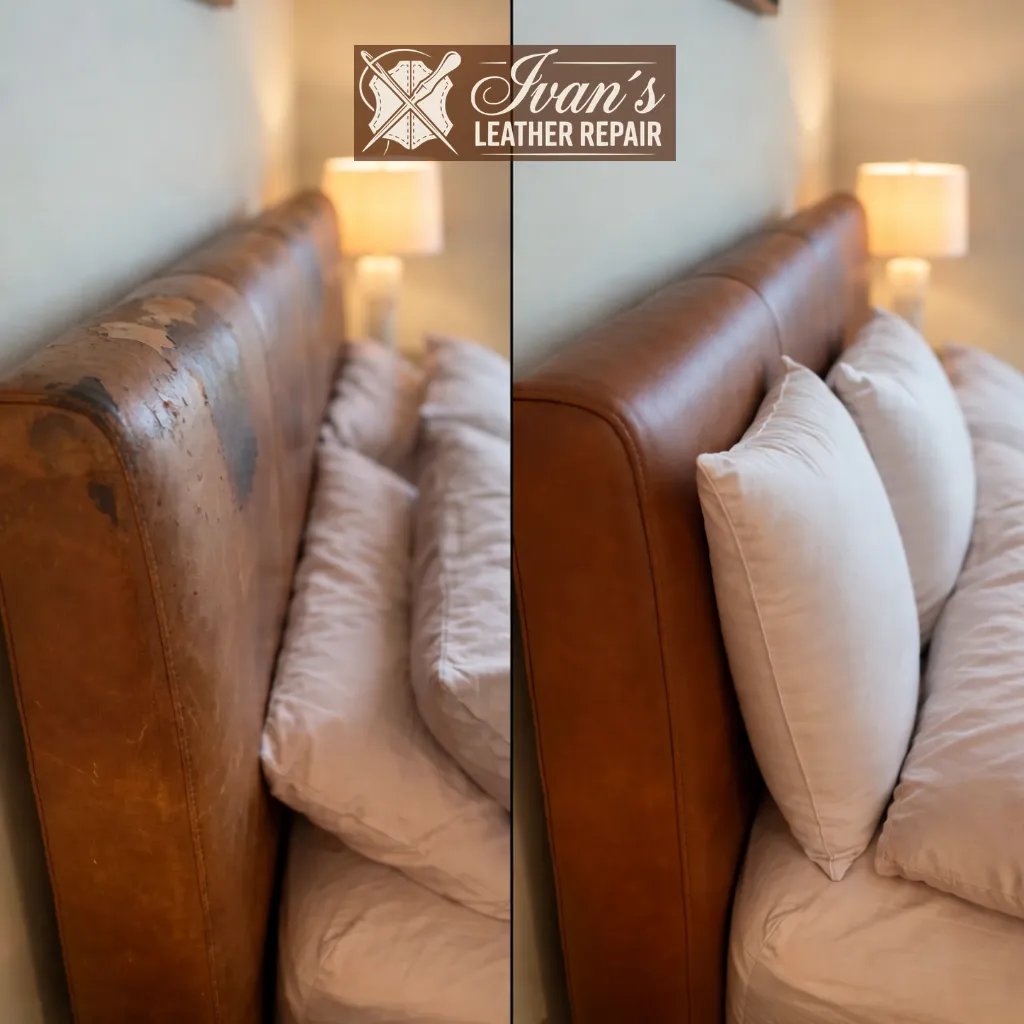
Not all leather damage can be reversed, but most wear can be improved. Minor issues like scuffs and light fading are usually easy to treat with cleaning, conditioning, and recoloring. Deeper problems might need patching or even replacing parts.
Older leather might not bounce back as well, but conditioning and cosmetic repairs can still extend its life. Professionals assess the leather to set realistic expectations with you.
When an item is valuable, fixing it can be cheaper and more eco-friendly than replacing it. A good restoration can give it many more years of life.
Section 2: Can Leather Wear Be Reversed? The Professional Restoration Promise
Initial Assessment: The Starting Point
Restoration starts with a full assessment. Experts check the leather’s surface, seams, and any internal parts to find problems. They test for colorfastness and check previous repairs. This helps them plan the right treatment that balances looks and durability.
They also document the damage and communicate expected results to you. Honest restorers share a realistic plan, including costs and limits, so you know what to expect.
Documentation is especially important for insurance claims or valuable items. Professional reports help keep records while planning the right steps.
Cleaning and Stabilization: Preparing Leather for Repair
Cleaning removes dirt and residues that can mess up further treatments. Pros use special cleaners that are gentle on leather. This makes sure that dyes and fillers will stick properly.
If the leather is weak, stabilization comes next. This might mean reinforcing seams or repairing cracks with flexible adhesives. Proper stabilization prevents further damage during cosmetic repairs.
This prep work alone can make a big difference, setting the stage for re-dying or texturing that needs a clean, stable base.
Reconditioning and Recoloring: Restoring Look and Feel
Once cleaned, leather is reconditioned with special products to bring back its natural oils. This helps prevent cracks from getting worse. The frequency and type of conditioning depend on the leather.
For color loss, skilled technicians match dyes to reapply color accurately. They use techniques like airbrushing to ensure an even finish. Recoloring needs a trained eye to preserve leather’s natural look.
Successful reconditioning and recoloring don’t just look good; they also bring back leather’s comfort and sheen.
Structural Repairs and Replacement of Components
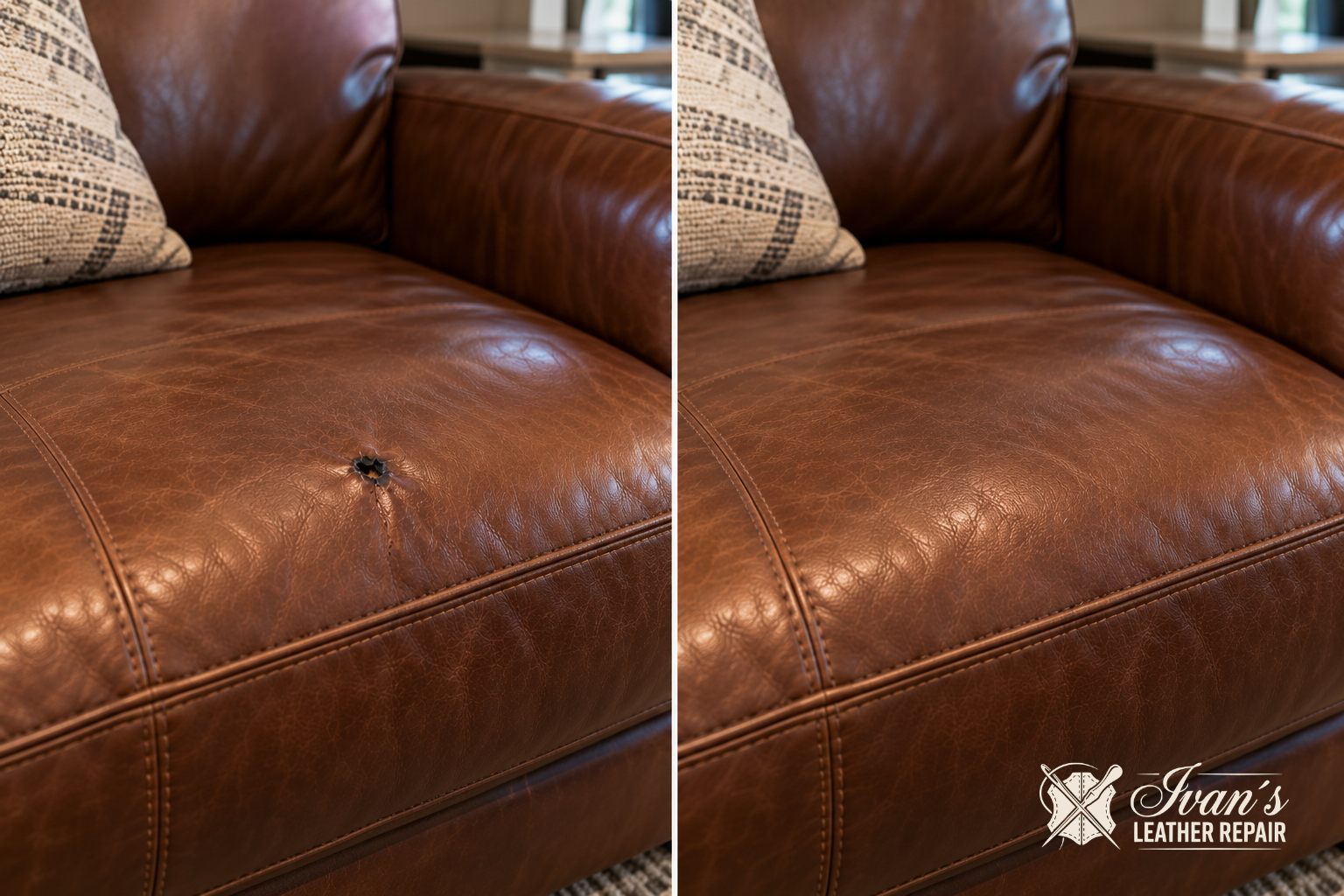
For tears or missing panels, repairs might include stitching or patching. Experts match grain and finish to keep the original look. For furniture, they might repair foam or webbing before working on the leather.
In cars or planes, where safety is key, specialists handle precise reupholstery to match the original style. Classic car restorations often require custom-matched materials to maintain authenticity.
Repair work mixes craft with modern materials like flexible adhesives and UV-resistant topcoats for lasting results.
Section 3: Professional Techniques — Step-by-Step Breakdown
Step 1: Diagnostic Testing and Colorfastness Checks
Before doing anything, pros test leather to understand dye stability and condition. They use small areas to test for reactions. This prevents surprises and protects delicate finishes.
Tests include checking pH levels and testing dyes for bleeding. When working with mixed materials, compatibility tests ensure treatments won’t harm different components.
These steps might take time but are crucial for safe outcomes. They make the difference between professional and amateur attempts.
Step 2: Deep Cleaning and Decontamination
Deep cleaning removes dirt and contaminants that degrade leather. Professionals use products made for leather, removing dirt and neutralizing salts. For mold, special protocols ensure safe removal.
Items exposed to spills might need extraction techniques similar to upholstery cleaning, but with leather-safe chemicals. This step improves adhesion for repairs and enhances the final look.
Deep cleaning also restores breathability, making conditioners work better.
Step 3: Conditioning and Flexible Filler Application
After cleaning, conditioners restore suppleness. For cracks, flexible fillers level the texture without losing flexibility. The goal is a repair that moves naturally with the leather.
Fillers are sanded and blended so they’re invisible. Choosing fillers that stay flexible is key to avoiding future breaks.
Conditioning and fillers prepare the surface for final color work, ensuring strength and a seamless look.
Step 4: Re-dyeing, Blending and Sealing
Color repair can mean re-dyeing the whole panel or spot-blending for small damage. Pros use dyes with good lightfastness, layering them for depth. Airbrushing allows smooth transitions.
Once color is matched, sealants protect the new pigments. Topcoats can be matte, satin, or glossy, protecting against future wear.
Sealing is crucial for high-use items, making the difference between temporary fixes and durable restorations.
Section 4: Sustainability and New Trends in Leather Restoration
Eco-Friendly Tanning and Its Implications for Restoration
The leather industry is moving toward eco-friendly tanning, using plant-based tannins. This change reduces waste and affects how leather ages and restores. Plant-tanned leather needs different care products.
This shift benefits those who care about the environment but requires ongoing education for restorers. They need to adapt products and techniques for these materials.
Reports highlight the push for greener processes. Restorers who embrace this can offer better results and help clients make sustainable choices.
Mycelium-Based and Lab-Grown Leather Alternatives
Innovations like mycelium-based and lab-grown leather offer sustainable alternatives. These materials are biodegradable and promise lower carbon footprints.
As they become more common, restoration practices will evolve to handle these materials. Repair technicians will need new protocols to avoid damage while restoring these unique properties.
Traditional leather restoration remains relevant, but watching these alternatives helps future-proof repair services and offer eco-friendly options.
Upcycling and Circular Repair Models
Sustainability is driving interest in upcycling leather goods—turning worn items into new products. This can mean converting a damaged sofa into smaller pieces or repurposing jacket panels into bags.
Circular repair models focus on repairing over replacing, helping reduce waste and save money. Businesses that emphasize refurbishing help customers make sustainable choices.
Adopting circular practices positions repair shops as partners for customers who care about quality and the planet.
Section 5: Real-World Case Studies and Examples
Luxury Handbag Restoration — From Sun & Moisture Damage to Revived Beauty
Take a high-end handbag that’s been faded by the sun and caught in the rain. What does it need? A professional touch with color analysis, deep cleaning, conditioning, and careful dyeing. Stitch repairs and protective coatings bring it back to life, saving its brand details and hardware.
This kind of restoration usually costs less than buying new and keeps the bag’s sentimental value. It’s an example of how professionals fix both looks and function to give items a fresh start. For small leather goods like briefcases, specialized services such as leather briefcase repair offer targeted treatments for everyday items.
Such cases show how professional help restores usability and confidence, making repair a smart choice financially and ecologically.
Classic Car Interior Revitalization
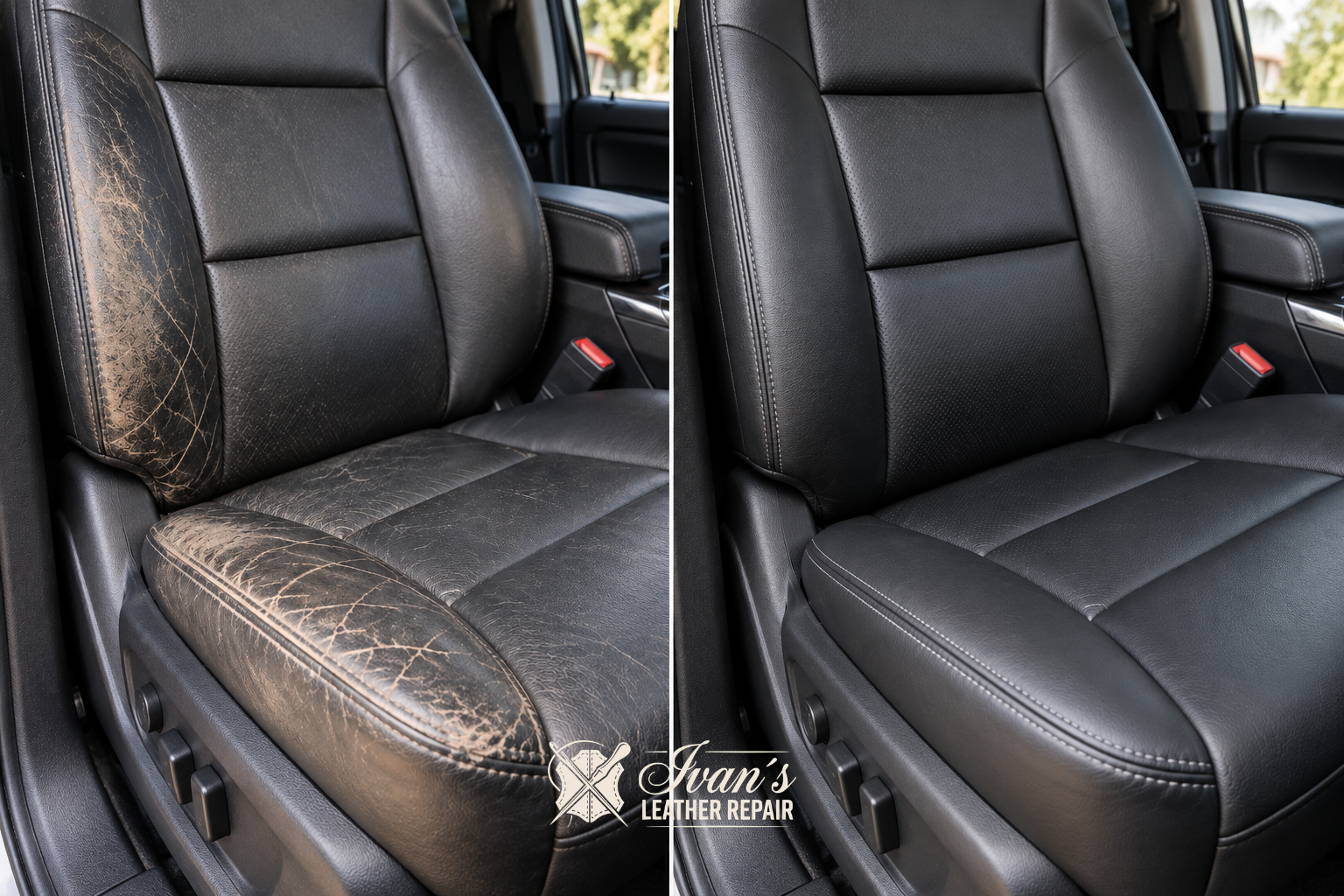
Classic car interiors are unique challenges because materials and stitching patterns must match the original. Successful restorations fix foam, realign frames, and match dyes. High-quality work can boost a vehicle’s value while keeping its historical charm.
Specialized services, like classic car interior restoration, handle these projects by coordinating upholstery, repair, and trim work. Experts use UV-resistant finishes to protect interiors from sun damage.
Clients often want documentation of materials and methods, which helps maintain provenance for collectors and enthusiasts, adding tangible value to the restored vehicle.
Restaurant Booths and Commercial Upholstery
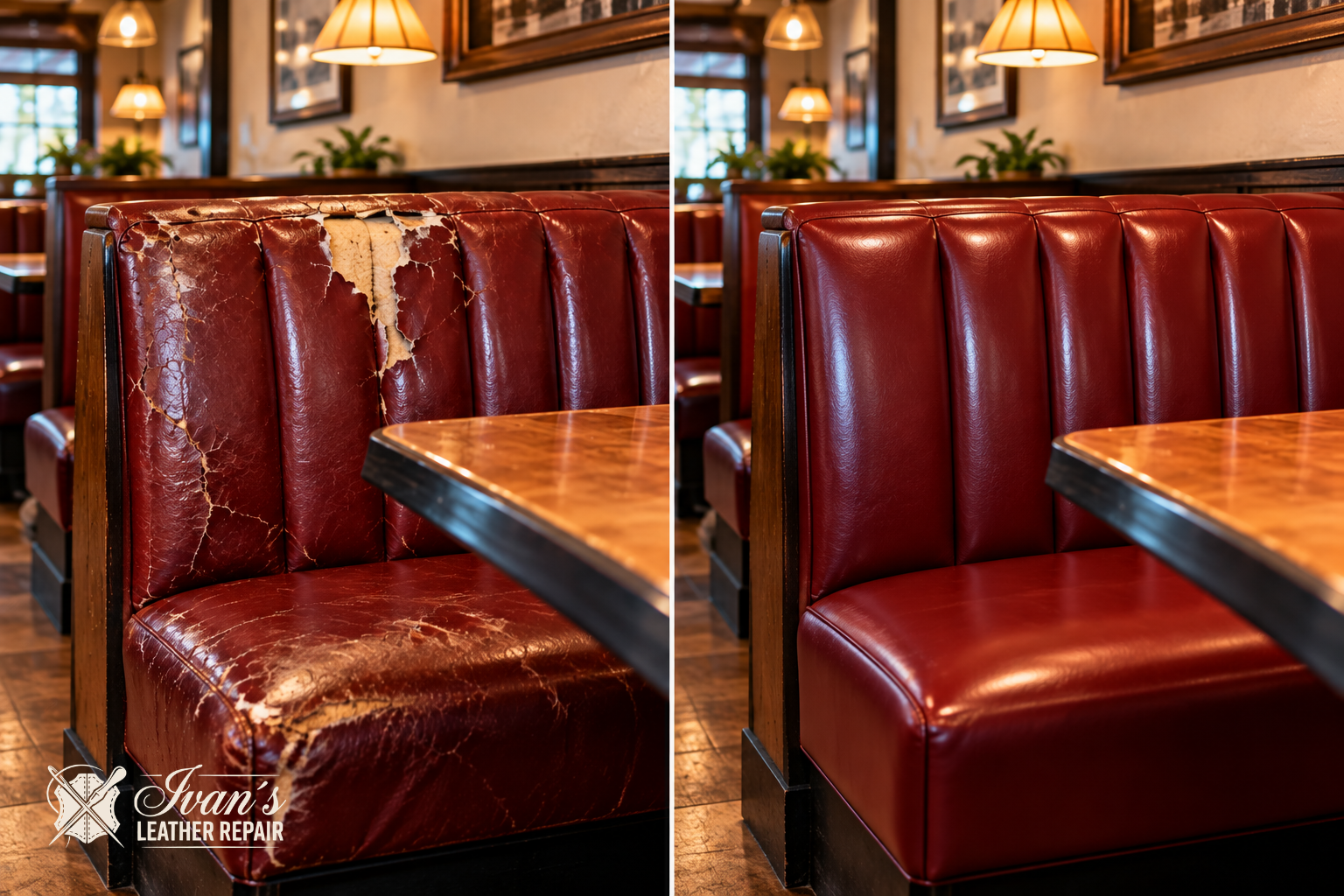
In busy places like restaurants, leather sees heavy use and needs repairs that balance looks and durability. A worn booth seat might need surface repair, seam reinforcement, and cleaning.
Services like restaurant booth repair help businesses keep a polished look without the cost of full replacement. Commercial restoration considers fire codes and cleaning protocols.
Smart restoration extends furniture life and cuts long-term costs, making it a practical choice for business owners.
Section 6: Maintenance Strategies — Preventing Future Wear
Conditioning Schedule and Best Products
Regular conditioning is key to preventing damage. Experts suggest conditioning leather every 3–6 months, depending on use and exposure. Items in sun or heavy use might need more.
Use pH-balanced products made for leather and avoid household oils that can clog pores. Apply a thin layer and let it soak in before buffing.
Routine conditioning keeps leather soft and reduces the need for major repairs down the line.
Proper Storage and Daily Care
Store leather in cool, dry places away from direct sunlight. Use breathable bags for jackets and avoid plastic covers. For furniture, maintain consistent humidity and use covers to limit dirt transfer.
Everyday habits—like not placing drinks on leather or keeping pet claws trimmed—add up to longer life for your leather goods.
For long-term storage, consider professional preservation for high-value items to ensure ideal conditions.
When to Call a Professional
Call a pro for anything beyond surface scuffs—deep cracks, large color loss, or structural issues. Experts can diagnose the root problem and apply the right treatments without causing more harm.
Even for minor damage, early professional help often costs less and gets better results than delaying. Many offer consultations and touch-ups that prevent bigger issues later.
For Brooklyn locals needing on-site help, our mobile solutions bring professional care directly to you for convenience and safety.
Section 7: Choosing the Right Restoration Specialist
Credentials, Experience, and Portfolio
When picking a restoration specialist, check their credentials, experience, and before-and-after photos. Good restorers document their work and can show similar projects.
Ask about training and if they’re part of industry groups. This shows commitment to staying up-to-date. Get estimates and timelines in writing for clear expectations.
Transparency about methods and warranties builds trust and ensures a successful experience.
Questions to Ask Before You Commit
Before you commit, ask about expected results, risks, and alternatives. Questions like: What products will you use? Can you match this color? Do you offer a warranty?
Discuss timelines if the item will be out of use. For business clients, ask about minimizing disruption. For vintage pieces, inquire about reversible techniques.
Good restorers welcome these questions to create a plan that fits your needs, whether for looks, longevity, or historical value.
Cost vs. Value: Making an Informed Decision
Restoration costs depend on work scope, materials, and labor. While professional help might cost more upfront than DIY, the returned value often justifies it.
For businesses, restoration is part of asset management to extend furniture life. For individuals, it protects heirlooms and expensive items.
Ask for a detailed invoice to understand costs. This transparency helps you budget wisely.
Section 8: Frequently Asked Questions and Troubleshooting
How Often Should I Condition My Leather Items?
Experts suggest conditioning most leather items every 3–6 months, depending on use and environment. High-use items in sunny or dry climates might need more frequent care.
If your leather feels dry, looks dull, or shows small cracks, it’s time to condition. Consult a professional for advice on the best products.
Consistency is key: regular, light conditioning keeps leather healthy.
Can All Types of Leather Be Restored?
Most leather types can be restored to some degree, but it depends on damage severity and leather type. Superficial damage is often reversible, while deep structural problems might only be partly fixable.
Synthetic or coated leathers might need different approaches. Always tell the technician about the leather’s history for accurate treatment.
For antiques, conservative methods focus on stabilization and cosmetic improvements to keep original materials intact.
Is Professional Restoration Worth the Cost?
For valuable or sentimental items, professional restoration is often worth it. It preserves materials, extends life, and can improve resale value.
It’s more cost-effective if it prevents further damage that would need bigger repairs. Discuss goals and budgets with a pro to find the best strategy.
For many, the peace of mind and renewed utility of professional restoration make it a smart investment.
Conclusion: Restore, Preserve, and Enjoy
Leather can bounce back with the help of skilled professionals who use a mix of craft, chemistry, and eco-friendly methods. From diagnostics to conditioning and repairs, expert restoration can undo the wear from sun, moisture, and daily use. With trends like eco-friendly tanning growing, the leather industry is changing, and restorers are adapting to offer better solutions.
If you have a leather item showing wear—whether it’s a couch, jacket, briefcase, or car interior—professional restoration is a smart, sustainable choice that keeps its function and memories. Regular care and smart storage habits further extend your piece’s life.
Ready to give your leather a new lease on life? Contact Ivan’s Mobile Leather Repair for an assessment and tailored plan. We handle everything from handbags to full upholstery projects, ensuring durable, beautiful results. Learn more about our specialized services like leather jacket repair and leather sofa & couch repair. For classic cars, explore our classic car interior restoration services to keep authenticity and comfort.
Additional Resources and References
To learn more about leather and tanning, check out Wikipedia: Leather. For sustainable tanning and its environmental impact, see the EPA’s resources on leather tanning (EPA CTSA leather tanning report). For insights into mycelium-based leathers, visit Wikipedia: Mycelium.
The global interior leather repair market shows strong demand and value, indicating that repair and restoration remain viable, service-driven industries that support sustainability and asset preservation.
Contact Ivan's Mobile Leather Repair
Phone: (347) 207-3031
3619 Bedford Ave, Brooklyn, NY 11210
Call today to schedule a consultation and discover how professional restoration can bring your leather back to life.